Why the "How Many Crystals?" Question Comes Up So Often
You've bought your first stone—or your first five—and now you're standing in front of your jewelry box wondering whether you're supposed to wear all of them at once. Maybe you've seen photos of people with a wrist stacked to the elbow, or read that you should never mix certain stones, or felt oddly jangled after wearing three bracelets on the same arm. If any of that sounds familiar, you're in exactly the right place.
The honest answer is that there's no universal number. Crystal practice is a personal, intuitive tradition rather than a regulated system, and different teachers will give you different guidance. What most experienced practitioners do agree on is a principle rather than a rule: clarity of intention matters more than quantity. A single stone you've chosen deliberately and wear consistently tends to feel more meaningful than a pocketful of stones chosen in a hurry.
This guide walks you through a practical starting point, how to build a small "stack" that works together, what to consider when wearing multiple bracelets or pendants, and how to tell when you've overdone it. We'll also separate what crystal tradition claims from what we can actually verify about these materials—because a trustworthy practice includes knowing the difference.
Start With One Intention, Not One Stone
A common beginner mistake is treating crystals as a collection to be maximized. In practice, most people find that one to three stones aligned to a single clear intention feel more coherent than a dozen stones representing a dozen different goals. The intention is the organizing principle; the stones are the reminder.
So before you choose how many, choose what for. Are you working on staying calm during a stressful season? Sleeping more restfully? Speaking up more confidently at work? Pick one theme for the next month. That theme will tell you how many stones you actually need—often fewer than you'd think.
A Simple Guideline for Beginners
- One stone: ideal when you're learning. Wearing or carrying a single stone daily lets you build a real relationship with it—you notice how it feels, when you reach for it, whether it suits you. This is the clearest starting point.
- Two to three stones: a balanced small "stack" with a shared goal, such as calm plus focus, or grounding plus confidence. This is where most people settle long-term.
- More than three: perfectly possible, but best once you know how each stone feels to you individually. Otherwise it's hard to tell what's doing what.
Think of it like a playlist. One song tells you something; six songs playing at once is noise. You earn the right to layer by first learning the individual notes.
How to Combine Stones Without Overwhelm
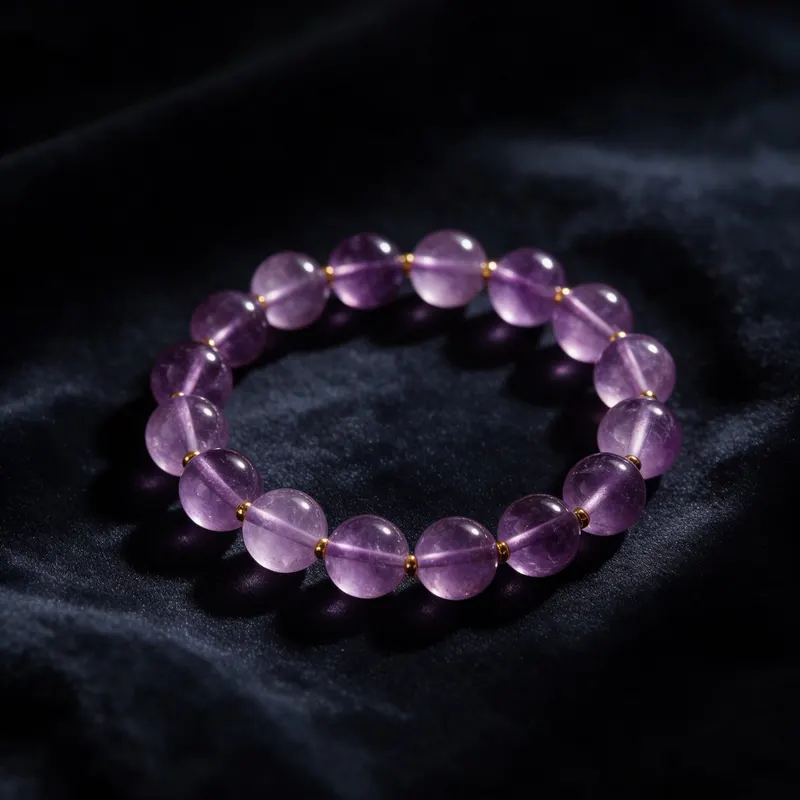
The most useful method is the lead-and-support approach. Choose one "lead" stone for your main intention, then at most one or two "supporters" that share or gently complement that goal. For example, amethyst as a lead for calm, with clear quartz as a supporter traditionally believed to amplify—rather than six stones for six unrelated problems.
Some pairings that beginners commonly find harmonious:
- Calm + clarity: Amethyst Healing Bracelet for Calm & Clarity paired with a clear quartz piece.
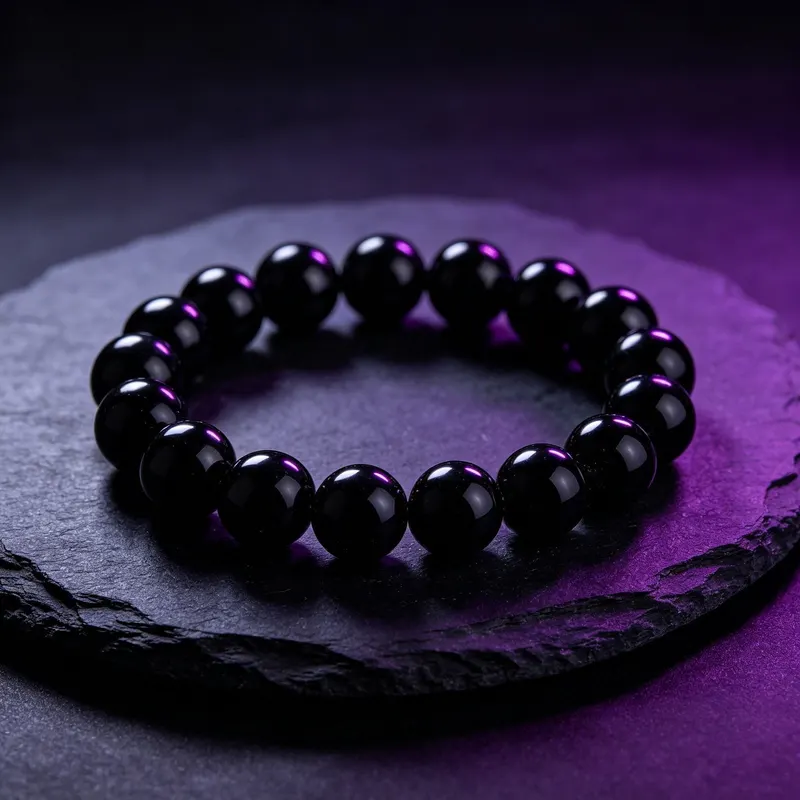
- Grounding + protection: Black Tourmaline Protection Bracelet for Grounding with black obsidian—both traditionally associated with steadiness.
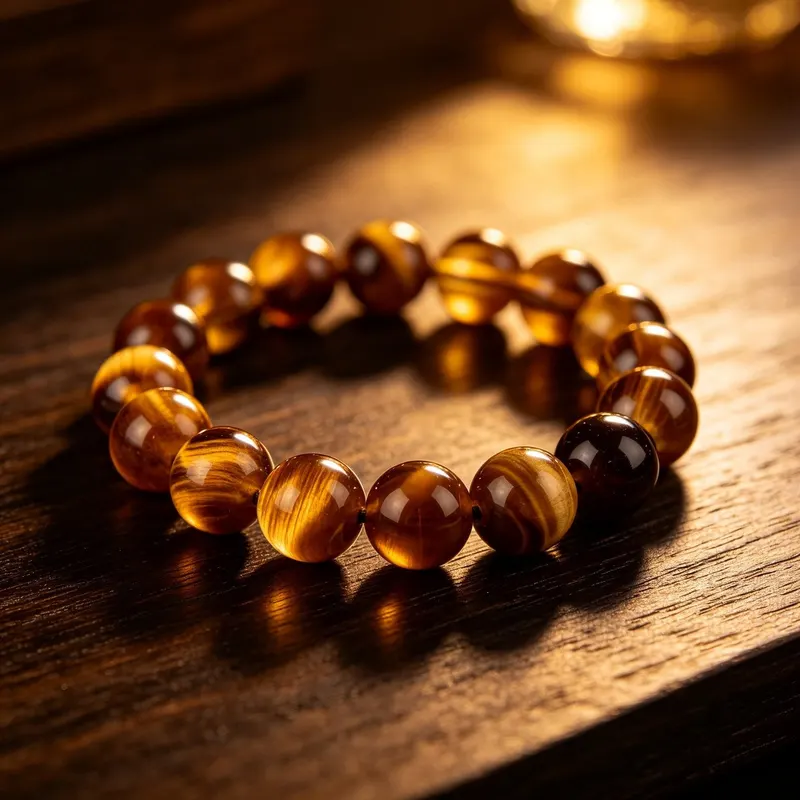
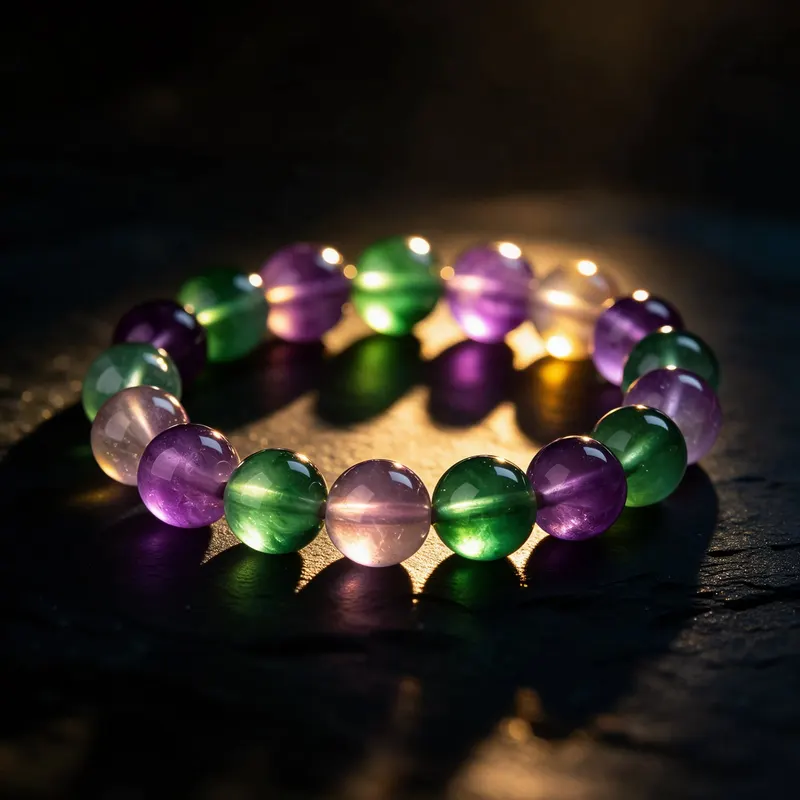
- Confidence + focus: Tiger's Eye Confidence Bracelet for Focus & Courage with rainbow fluorite for concentration.
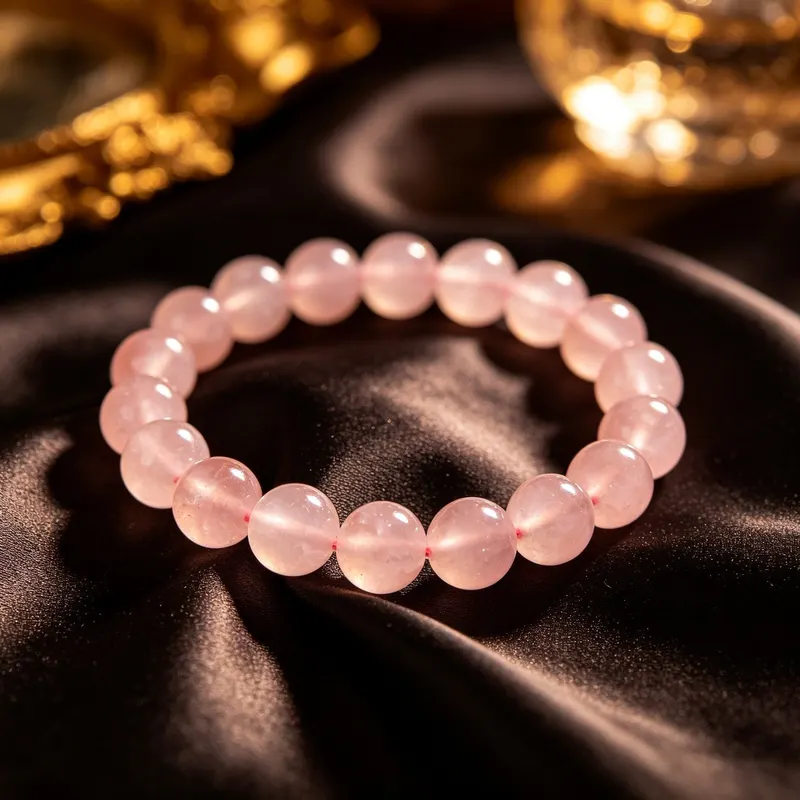
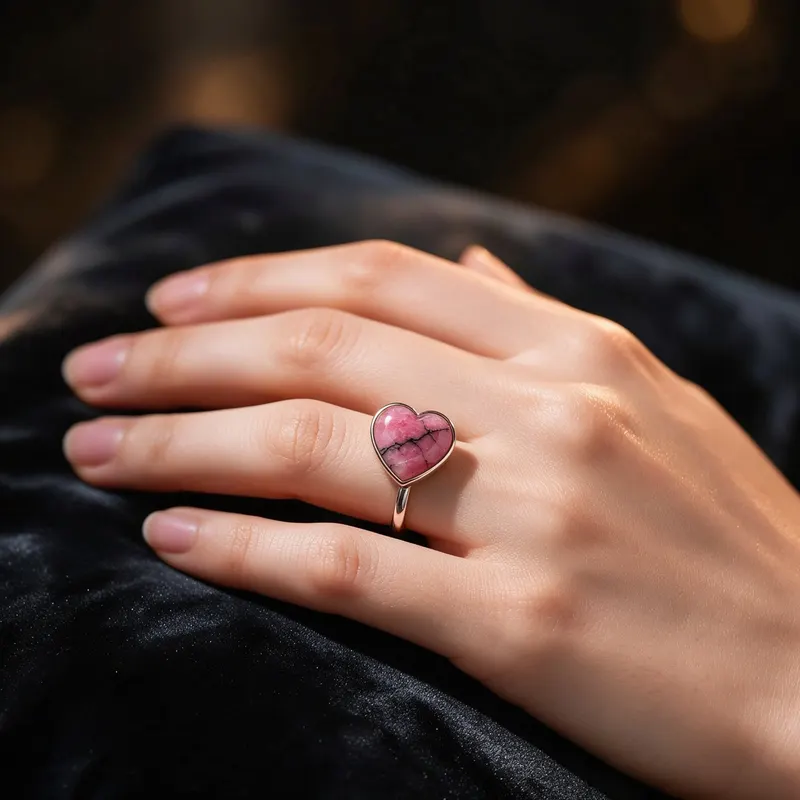
- Self-love + softness: Rose Quartz Love Bracelet for Self-Love & Heart on its own, or with moonstone for new beginnings.
If you're unsure which stones sit well together, our crystal combinations guide maps out more pairings by intention.
Wearing Several Bracelets: Practical Rules of Thumb
Stacking is where most people accidentally overdo it. A few practical guidelines:
- Keep intentions compatible. Protection and grounding pair naturally; "wealth, love, exams, sleep, and travel" on one wrist tends to feel scattered—both energetically, in tradition, and visually.
- Mind the wrist. Three to four slim bracelets is a comfortable everyday stack for most people. Beyond that, bracelets start to clink, catch on sleeves, and stretch—especially elastic-cord designs.
- Consider one multi-stone piece. A single 7 Chakra Balancing Bracelet, Natural Mixed Stones already blends seven aligned stones in one design, so you get variety without a crowded wrist.
- Alternate arms if needed. Some people wear a "grounding" stone on the dominant wrist and a "receiving" stone on the other. There's no fixed rule—do what feels comfortable.
- Take them off for rough activity. Gym sessions, gardening, and dishwashing are hard on elastic and on softer stones (more on that below).
For fit, sizing, and styling detail, see our guide to how to wear crystal bracelets.
Carrying vs. Wearing: A Quick Comparison
"Carrying" a crystal (in a pocket, pouch, or bag) is a different practice from wearing one, and it changes how many makes sense.
| Approach | Typical number | Best for | Practical notes |
|---|---|---|---|
| Single worn piece (bracelet or pendant) | 1 | Beginners; one clear intention | Most consistent daily reminder; easiest to care for |
| Small stack or layered necklace | 2–3 | Two related goals (e.g., calm + focus) | Watch for tangling and elastic wear |
| Pocket or pouch stone | 1–2 | Discreet use at work or during travel | Tumbled stones are more durable than points; check for sharp edges |
| Altar or bedside arrangement | 3–7+ | Meditation, reflection, room ambiance | No wear-and-tear; keep out of direct sun if stones are light-sensitive |
| Full collection | Any | Experienced practitioners | Rotate rather than wear everything at once |
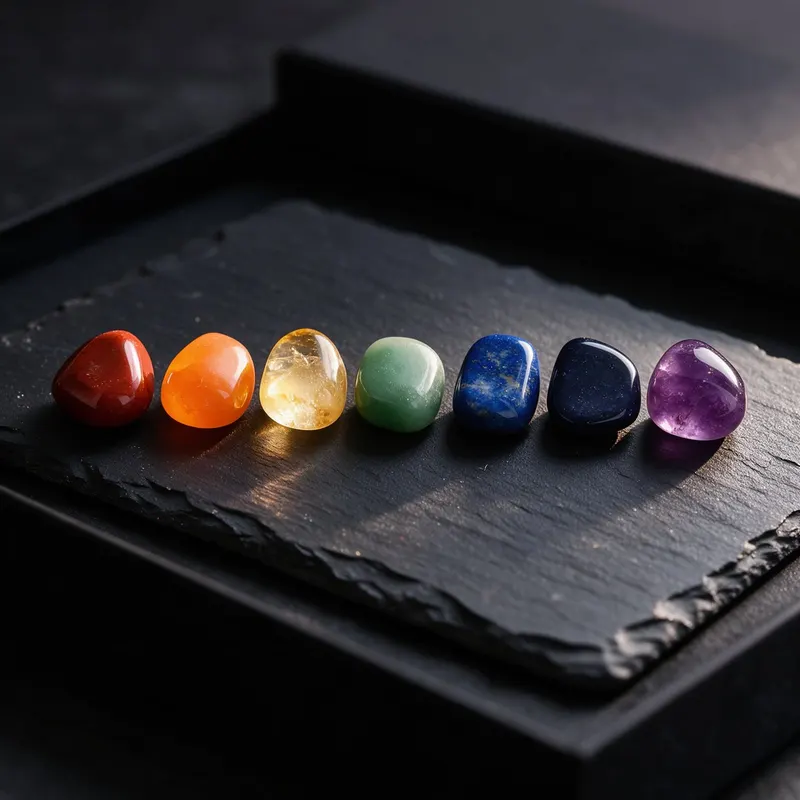
A Healing Crystal Starter Kit, 7 Stones + Guide is a sensible way to experiment with carrying one stone at a time before committing to a daily piece.
Folklore, and the facts we can check
Crystal lore is rich, but it's important to hold it honestly. Here's how to separate traditional association from verifiable material facts.
Traditional associations (belief, not science)
In crystal tradition, amethyst is associated with calm and clarity, rose quartz with love and self-compassion, citrine with abundance and joy, black tourmaline with protection and grounding, and so on. These are traditional associations—cultural and spiritual frameworks that many people find meaningful for reflection. They are not medical claims, and they are not backed by clinical evidence. Crystals invite you to focus your attention; they don't replace treatment, therapy, or professional advice.
Verifiable material facts (what you can actually check)
- Hardness (Mohs scale): Quartz-family stones like amethyst, citrine, and clear quartz sit around 7; tiger's eye around 6.5–7; moonstone and labradorite around 6–6.5; rose quartz around 7 but often with inclusions. Selenite is very soft (around 2) and scratches easily—keep it away from harder stones and never soak it. Fluorite is around 4 and also fragile.
- Water sensitivity: Selenite, halite, and some fluorite specimens can be damaged by water. Many porous or dyed stones may fade or degrade. When in doubt, clean with a soft dry cloth rather than water.
- Sunlight sensitivity: Amethyst, rose quartz, and citrine can fade with prolonged direct sunlight. Store them away from a bright windowsill.
- Heat and chemicals: Avoid hot water, ultrasonic cleaners, and household chemicals on most set stones and plated metals.
- Elastic and plating wear: Bracelet elastic stretches over time; gold-plated chains thin with friction. Remove jewelry before showering, swimming, or exercising to extend its life.
In short: the tradition gives you a framework for reflection; the material science tells you how to keep your stones looking good for years. Both matter.
How to Choose Your First Few Stones
If you're building a small, intentional set, here's a practical checklist:
- Name your intention first. Write it down in one sentence.
- Pick one lead stone that tradition associates with that theme.
- Add at most one or two supporters with a compatible association.
- Check durability for daily wear. Softer stones (selenite, fluorite) are better for altars than for constant wear.
- Consider your lifestyle. Desk job? A pendant may suit you better than a stack. Active? Choose tumbled stones in a pouch.
- Set a realistic budget. Genuine gemstone bracelets typically range from roughly $25–$80 depending on stone quality, bead size, and metal; pendants with sterling silver or gold plating often run $40–$120. Be cautious of "certified" claims without documentation—reputable sellers describe materials plainly.
Still deciding? Our guide to how to choose your first crystal walks through the process step by step.
Caring for a Small Collection
Fewer stones are easier to care for—another reason to start small. A simple routine:
- Wipe bracelets and pendants with a soft dry cloth after wearing.
- Store each piece separately to prevent scratching; a soft pouch works well.
- Keep light-sensitive stones out of direct sun.
- Re-string or replace elastic at the first sign of fraying.
- If you follow a cleansing tradition, a Selenite Cleansing Wand for Energy Clearing is a common companion piece—just remember selenite itself is water-sensitive, so keep it dry.
Listen to How You Feel
This is the most important guideline of all. If a combination feels overstimulating, cluttered, or simply annoying, remove one. Your own comfort is a legitimate guide—there's no prize for wearing the most stones. Many practitioners find that after a few weeks with a single stone, they naturally know whether they want to add another or stay put.
Crystals are intended for reflection and personal ritual; they are not medical devices and do not diagnose, treat, cure, or prevent any disease.
FAQ
People Also Ask
Is it okay to wear multiple crystals every day?
Yes—just keep their intentions aligned and remove any combination that feels overwhelming. Two to three compatible stones worn daily is a comfortable norm for most people.
How many crystals should a beginner start with?
One to three is ideal. One lead stone for a single clear intention is the clearest starting point, and it lets you learn how that stone feels before adding more.
Can too many crystals conflict?
In crystal tradition, clashing or scattered intentions can feel unfocused, so harmonious, purposeful pairings are preferred. There's no verifiable mechanism—think of it as a framework for keeping your goals clear.
Should I cleanse or recharge my stones, and how often?
Many people follow a cleansing ritual weekly or after intense periods. Practical care—wiping with a soft cloth, storing separately, avoiding water on soft stones—matters regardless of tradition. Skip water and salt methods for selenite, fluorite, and plated metals.
Shop the Stones
- Healing Crystal Starter Kit, 7 Stones + Guide
- 7 Chakra Balancing Bracelet, Natural Mixed Stones
- Clear Quartz Point Pendant Necklace, Sterling Silver
Keep Exploring
Crystal Combinations · Choose Your First Crystal · How to Wear Bracelets
Crystals are for reflection and are not medical devices. They do not diagnose, treat, cure, or prevent any disease. If you are struggling with your mental or physical health, please reach out to a qualified professional.