Why a Capsule Beats a Collection
If you have ever stood in a crystal shop, phone in hand, trying to remember which of forty stones is "the one for focus," you already understand the problem. Crystal collecting rewards enthusiasm, but it punishes scatter. The more stones you own before you understand them, the less likely you are to use any of them consistently.
A capsule collection solves this the way a good wardrobe does: a small number of versatile pieces, each with a clear job, that work together instead of competing. For crystals, five stones cover the intentions most people actually care about—calm, love, protection, focus and abundance—and leave room for the one thing every collection needs: a stone that amplifies the rest.
This guide walks you through those five, how to choose the right form for each (bracelet, pendant, palm stone or cluster), what to look for when buying, how to care for them, and what "cleansing" and "charging" really mean in practice. It also separates traditional crystal lore from the physical facts you can verify—because a collection you understand is a collection you'll actually keep.
The Core Five (and What Each Is Traditionally Associated With)
These five are not magic bullets. They are simply the most widely used, most versatile stones in the beginner canon, and each maps to a distinct intention so you're not buying duplicates of the same energy.
1. Amethyst — Calm and Clarity
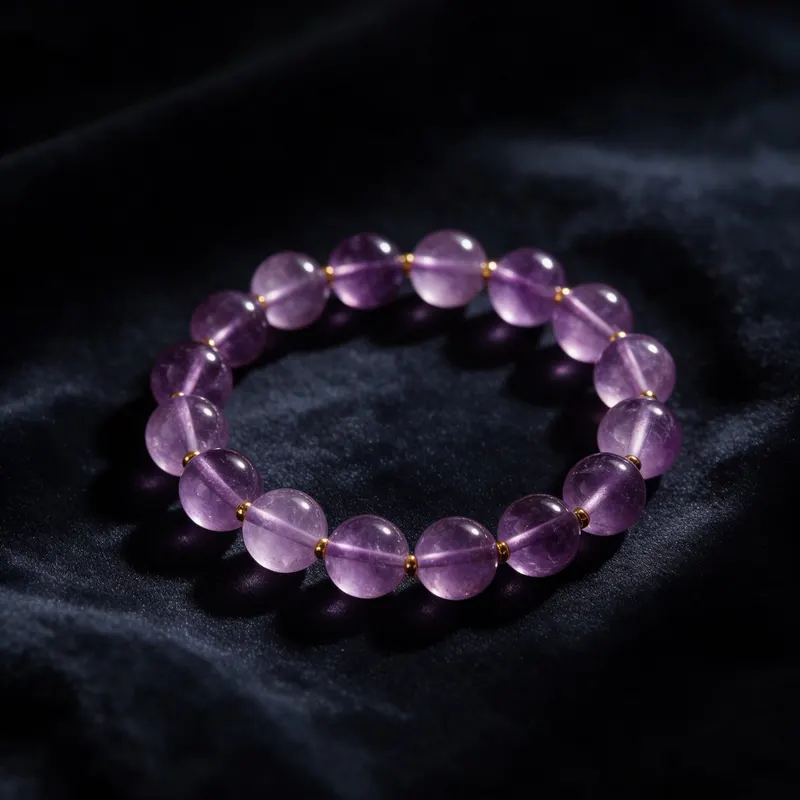
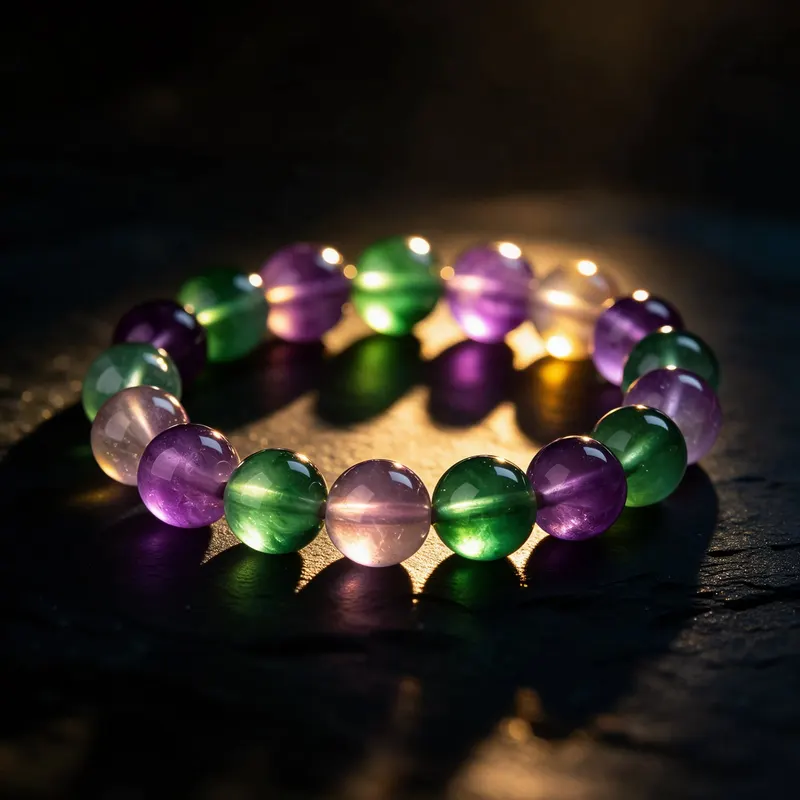
Amethyst is traditionally associated with calm, restful sleep and mental clarity. It's the stone most people reach for when their mind won't quiet down. For a capsule, a bracelet like the Amethyst Healing Bracelet for Calm & Clarity is the most wearable option; a raw cluster is better if you want a piece for a nightstand or meditation altar.
2. Rose Quartz — Love and Self-Care
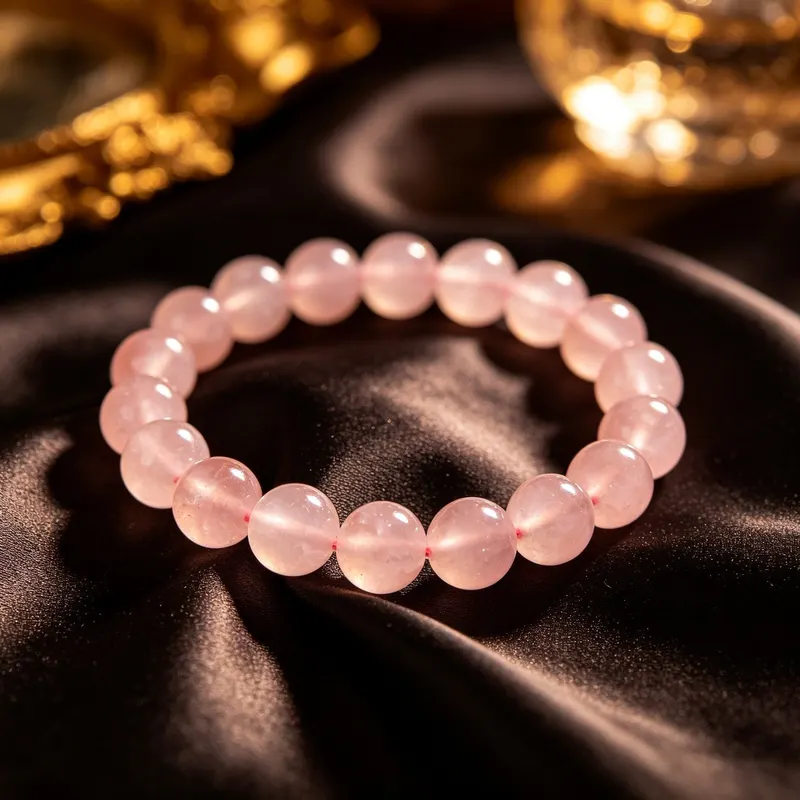
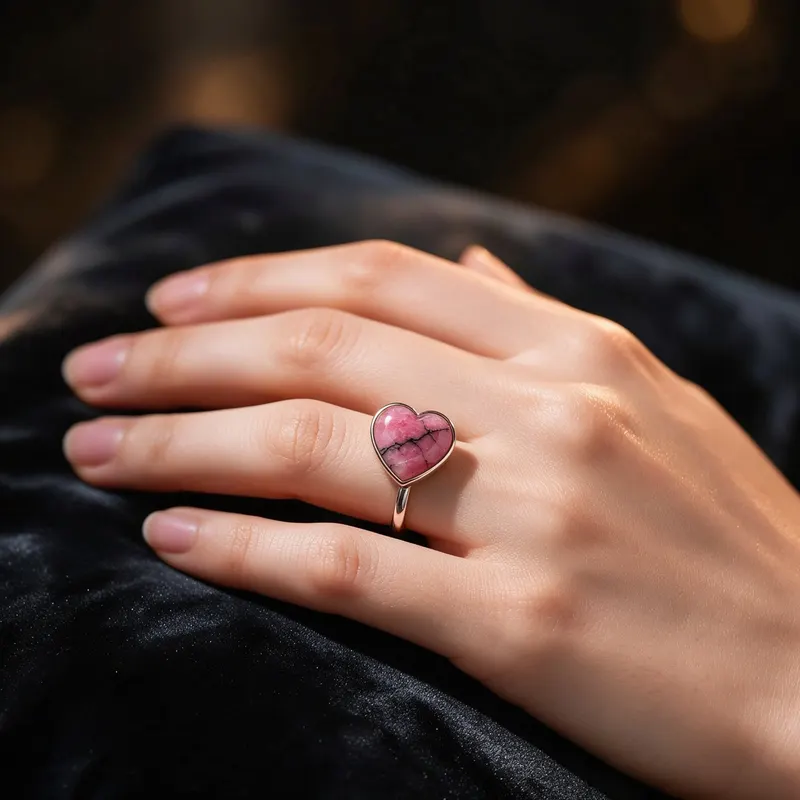
Rose quartz is believed to invite softness, self-compassion and warmth in relationships. It's the stone people wear when they want to feel more open rather than more protected. The Rose Quartz Love Bracelet for Self-Love & Heart is an easy daily piece; a pendant works if you prefer jewelry you don't have to remove for dishes or the gym.
3. Black Tourmaline — Protection and Grounding
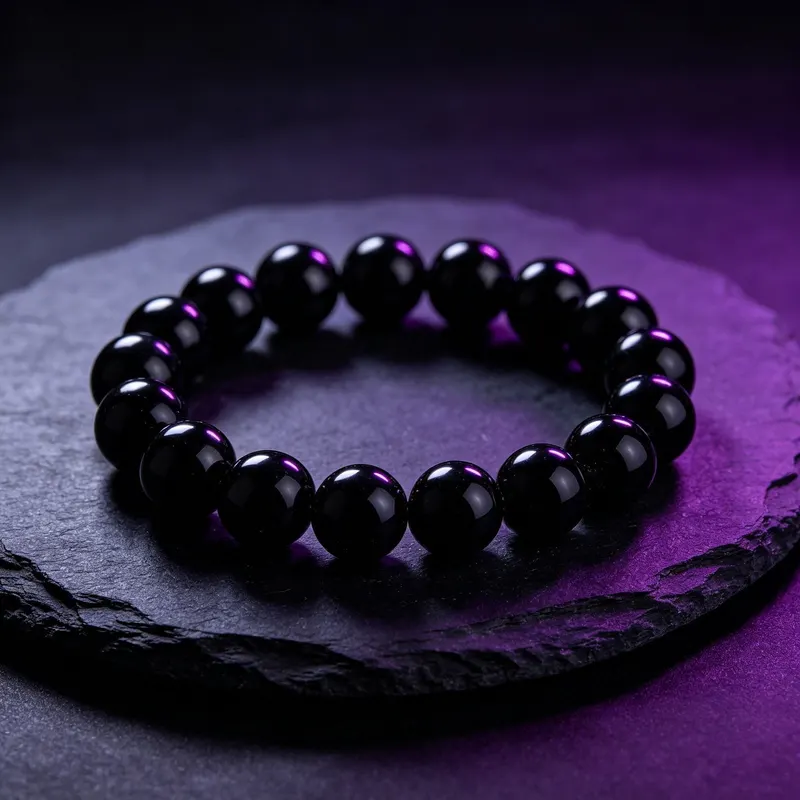
Black tourmaline is traditionally associated with grounding and boundary-setting—the "I need to feel steady" stone. It's the counterweight to the softer stones in your capsule. The Black Tourmaline Protection Bracelet for Grounding is a practical everyday choice, especially for people who feel drained by crowds or long workdays.
4. Citrine — Abundance and Confidence
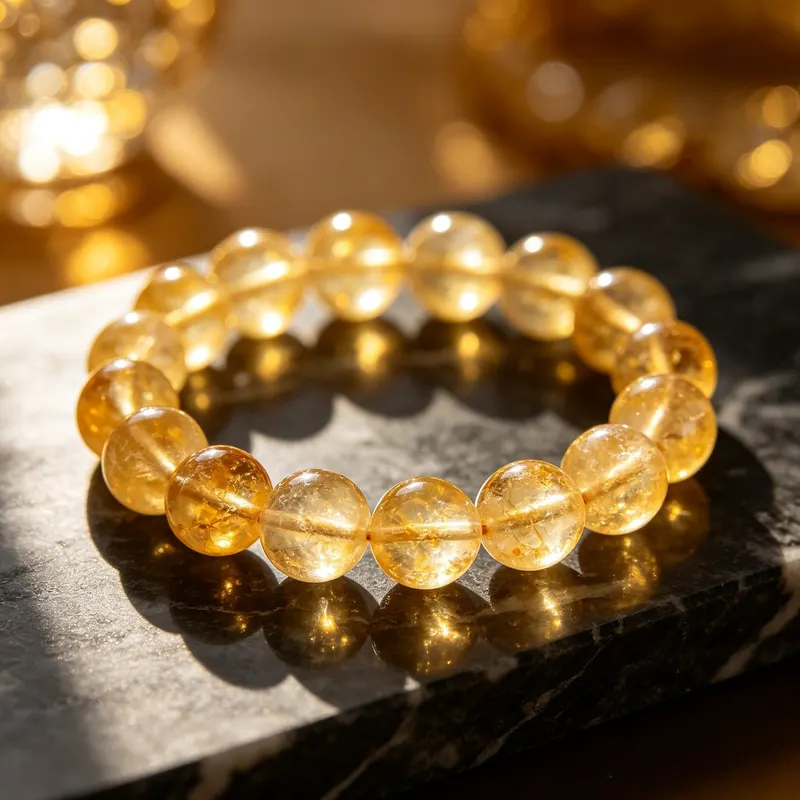
Citrine is believed to support optimism, motivation and a sense of forward momentum. It's traditionally linked to abundance, but treat that as an invitation to focus on opportunity and follow-through, not a promise of wealth. The Citrine Abundance Bracelet for Prosperity & Joy is the classic pick; note that much of the citrine on the market is heat-treated amethyst, which is standard and not a defect.
5. Clear Quartz — The Amplifier
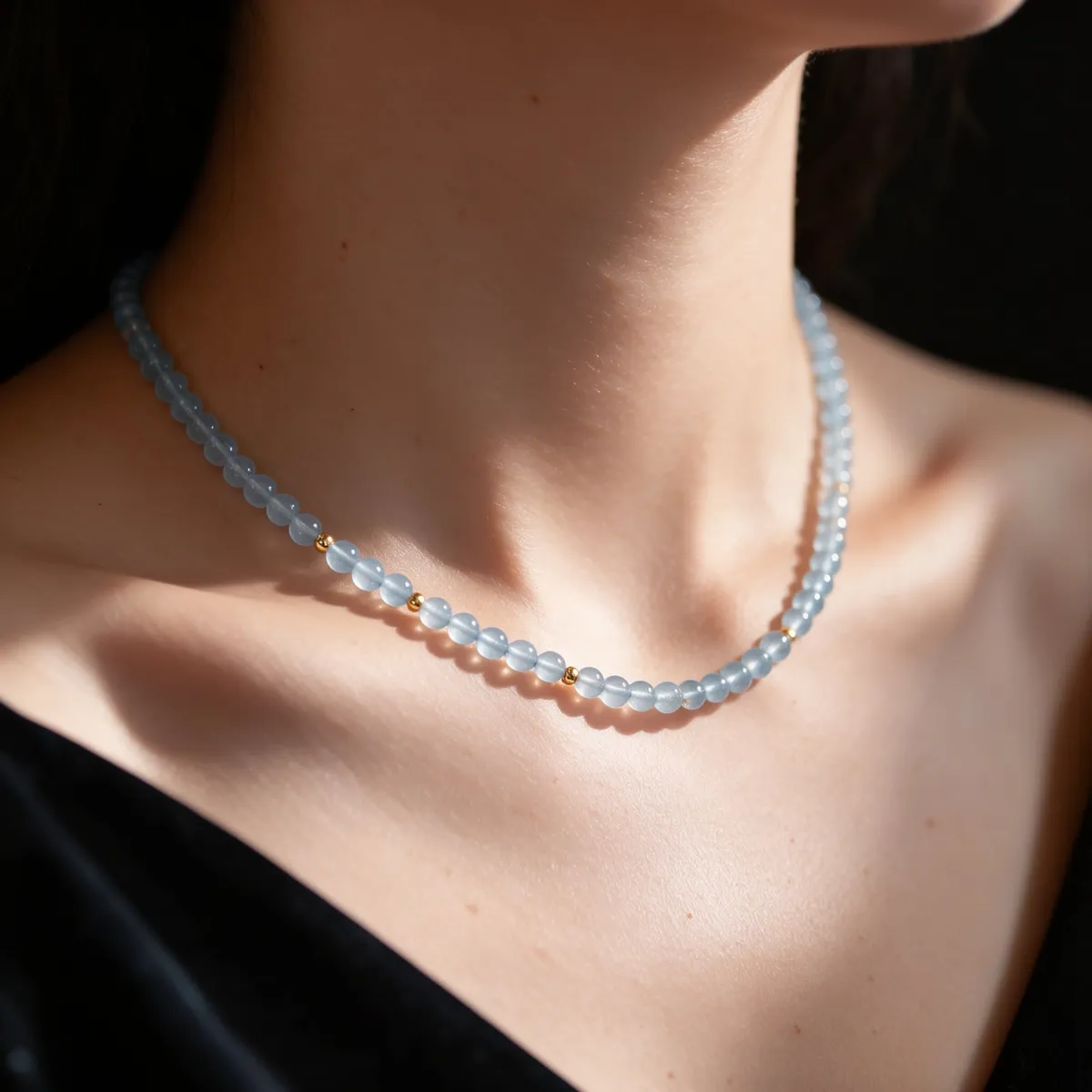
Clear quartz is the most versatile stone in any collection. It's traditionally used to "amplify" the intention of whatever it sits beside, which makes it the glue of a capsule. A Clear Quartz Point Pendant Necklace, Sterling Silver works as a neutral everyday piece that pairs with anything.
Choosing the Right Form: A Quick Comparison
Form matters as much as stone. A bracelet you wear daily does more for your practice than a specimen that lives in a drawer. Use this table to match each stone to the format that fits your life.
| Stone | Best everyday form | Best ritual form | What to check when buying |
|---|---|---|---|
| Amethyst | Bracelet | Raw cluster | Even color, no large internal fractures, comfortable band fit |
| Rose quartz | Bracelet or pendant | Palm stone | Milky translucence, smooth polish, secure clasp or elastic |
| Black tourmaline | Bracelet | Raw chunk | Opaque black, no obvious surface cracks, sturdy elastic |
| Citrine | Bracelet | Point or tumbled stone | Warm yellow-orange tone, clarity of color, honest treatment disclosure |
| Clear quartz | Pendant | Point or cluster | Few inclusions, intact point, sterling or gold-plated findings |
How to Build the Capsule Without Overbuying
The biggest mistake beginners make is buying the whole five at once and then feeling obligated to "use" them all. A capsule is meant to grow with your needs, not arrive fully formed. Here's a practical sequence.
- Start with one intention. Pick the stone that matches what you need most this month—calm, grounding, focus, self-love or momentum.
- Wear or use it daily for two to four weeks. Learn its care, its feel, and whether it actually fits your routine.
- Add a second stone only when a new need appears. If you're anxious, add amethyst. If you're scattered, add clear quartz or fluorite.
- Let the fifth stone be the amplifier. Clear quartz is easiest to add last, because it works with everything already in your capsule.
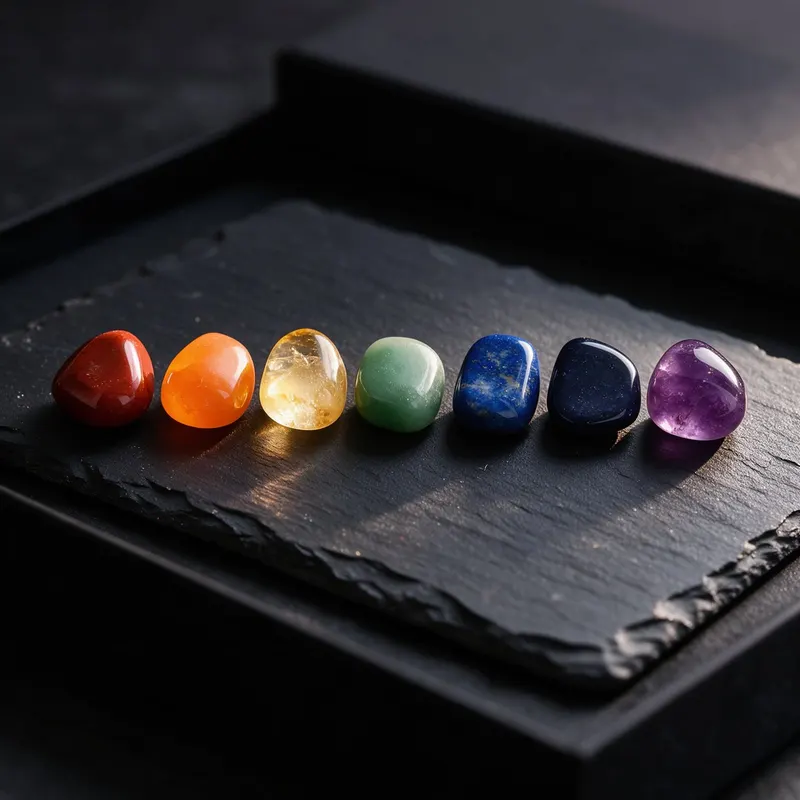
- Skip the bundle if you're unsure. A Healing Crystal Starter Kit, 7 Stones + Guide is convenient, but only buy it if you're genuinely ready to learn seven stones, not five.
What is handed down — and what we can verify
Crystal traditions are rich, but they are not the same as gemological facts. Here's how to hold both honestly.
What tradition says
- Amethyst is believed to calm the mind and support restful sleep.
- Rose quartz is traditionally associated with love, self-compassion and emotional openness.
- Black tourmaline is believed to ground and protect, especially in draining environments.
- Citrine is traditionally linked to abundance, optimism and confidence.
- Clear quartz is believed to amplify the intention of nearby stones.
What we can verify
- Hardness: Quartz-family stones (amethyst, citrine, clear quartz, rose quartz) rate 7 on the Mohs scale—durable enough for daily wear but still scratchable by diamond and some ceramics. Black tourmaline is roughly 7–7.5.
- Water sensitivity: Most quartz is water-safe for quick cleaning, but avoid prolonged soaking of elastic bracelets and plated metals. Selenite and halite dissolve in water—keep them dry.
- Sunlight: Amethyst and rose quartz can fade with prolonged direct sun. Citrine is generally more stable but still best kept out of harsh, long-term sun.
- Care: Wipe with a soft dry cloth, clean gently with mild soap and lukewarm water (avoid soaking), and store separately to prevent scratching.
- Treatments: Heat-treated amethyst sold as citrine is common and legal; ask sellers to disclose treatments.
Crystals are for reflection and ritual; they are not medical devices and do not replace professional care.
Cleansing and Charging: A Practical Routine
"Cleansing" is a traditional practice, not a scientific one. What matters is that you build a simple, repeatable routine you'll actually keep.
- Rinse or wipe weekly. A soft cloth is enough for most stones; a brief lukewarm rinse is fine for solid quartz pieces.
- Keep elastics dry. Stretch bracelets degrade faster with water and heat—remove before showers and swimming.
- Use moonlight, not harsh sun. A windowsill overnight is gentler on color than direct afternoon sun.
- Pair with intention. Hold the stone, name what you're focusing on, and set it down. That's the whole ritual.
- Store separately. A small pouch or divided box prevents scratches and tangles.
Sizing, Budget and What to Look For
Sizing: Most beaded bracelets come in 7–8 inch (18–20 cm) circumferences. Measure your wrist snugly with a tape and add about half an inch for comfort. Pendants are usually 16–20 inch chains; 18 inches sits at the collarbone for most people.
Budget: Expect roughly $15–$40 for a beaded bracelet, $30–$70 for a sterling or gold-plated pendant, and $20–$60 for a small raw cluster or palm stone. Prices above that usually reflect larger specimen size, higher-grade clarity or precious-metal settings—not "more energy."
What to look for: honest material disclosure, secure clasps or sturdy elastic, smooth polish without sharp edges, and a seller who will answer questions about treatments. Avoid listings that promise specific outcomes like wealth, love or exam results.
FAQ
People Also Ask
What crystals should everyone own?
There's no universal list, but amethyst, rose quartz, black tourmaline, citrine and clear quartz form a versatile five-stone capsule covering calm, love, protection, abundance and amplification.
How many crystals should a beginner start with?
One to three is ideal. Master the care and daily use of each before adding more—overbuying is the fastest way to stop using them.
Do I need to cleanse my crystals?
Cleansing is a traditional practice, not a requirement. A simple weekly wipe or brief rinse, plus a monthly moonlight session, is enough for most people.
Can I wear my crystal bracelet every day?
Yes, with care. Remove it before showers, swimming and heavy cleaning, and keep it away from prolonged direct sun and harsh chemicals.
Start With One Stone
A minimalist crystal capsule isn't about owning less for its own sake—it's about knowing each stone well enough that it becomes part of your routine. Pick the one intention you need most this month, choose a form you'll actually wear, and let the rest of the capsule arrive when it's needed. If you're ready to begin, the Amethyst Healing Bracelet is a gentle first step, and the Black Tourmaline Protection Bracelet is the steadying counterpart when life gets loud.
Crystals are offered for wellness and ritual, not as medical or psychological treatment.