Out of Sight, Still Working as a Reminder
You've chosen a stone you feel drawn to. Now comes the practical question almost every beginner runs into: what do I actually do with it? Do you need to hold it? Meditate with it hourly? Keep it in a special box and only bring it out on weekends? The answer is simpler and more livable than most crystal guides suggest. You don't need to hold a stone all day. Discreet placement lets it serve as a quiet touchstone during ordinary moments—the commute, the inbox, the pause before a difficult conversation.
This guide is for people who want their crystals woven into real life rather than treated as fragile display objects. Maybe you work in an office where a crystal on your desk would draw questions. Maybe you're a nurse, a teacher, or a parent who can't carry a loose stone in a pocket that gets washed, emptied, or rummaged through. Maybe you simply prefer jewelry that looks like jewelry. Whatever your situation, there's a way to keep a stone close that fits your day rather than interrupting it.
We'll cover the main carrying methods, how to choose stones that survive daily wear, a simple reset routine, and an honest look at what tradition claims versus what we can actually verify about these materials.
Ways to Carry a Crystal Through Your Day
There's no single correct method. The best placement is the one your hand or eye naturally reaches without thinking about it. Here are the most practical options, roughly in order of how well they hold up to daily use.
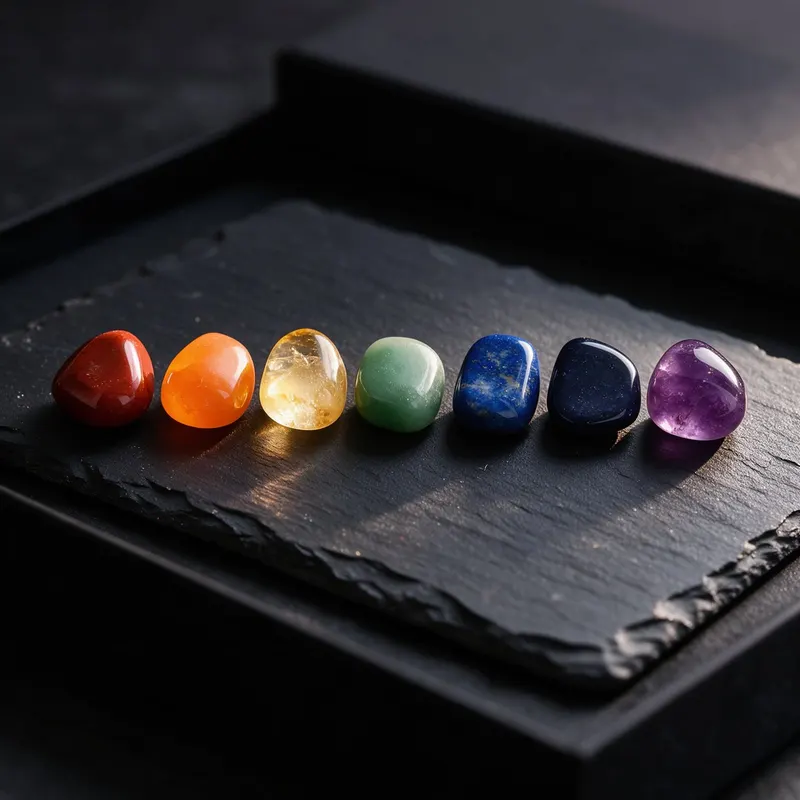
- A tumbled stone in the same pocket every day. Easy to find by touch, and the habit of reaching for it becomes automatic within a week or two. Choose a smooth tumbled stone rather than a raw, jagged piece—raw edges chip and can snag fabric. A stone roughly 20–30mm across fits most pockets comfortably without feeling bulky.
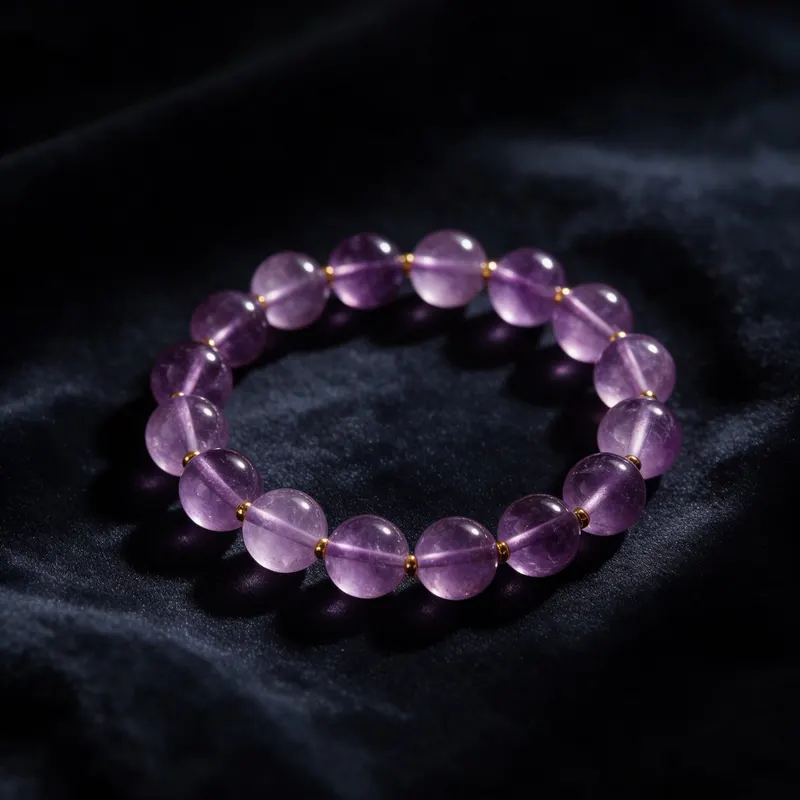
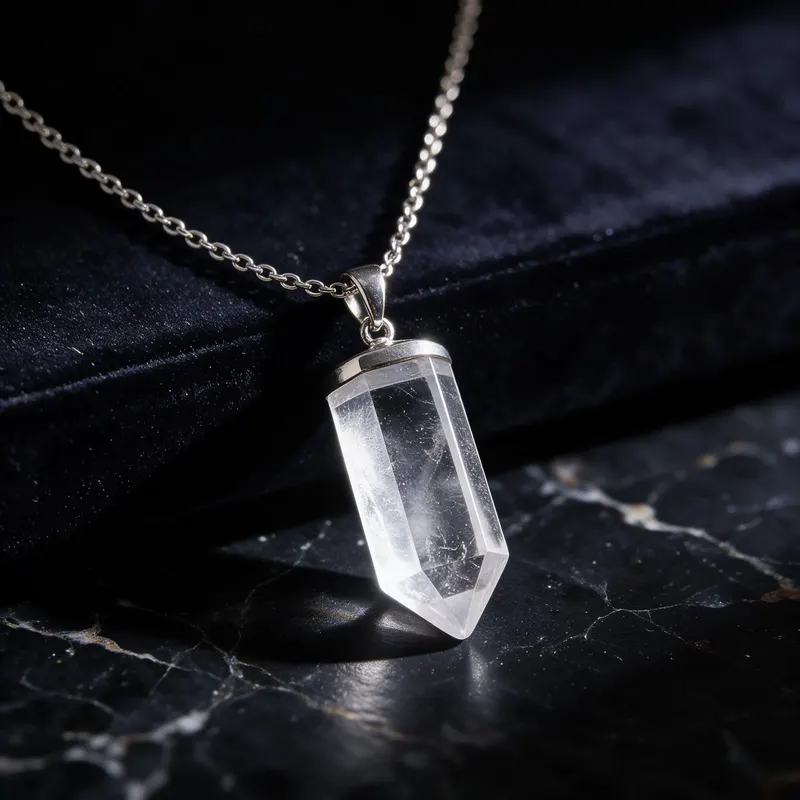
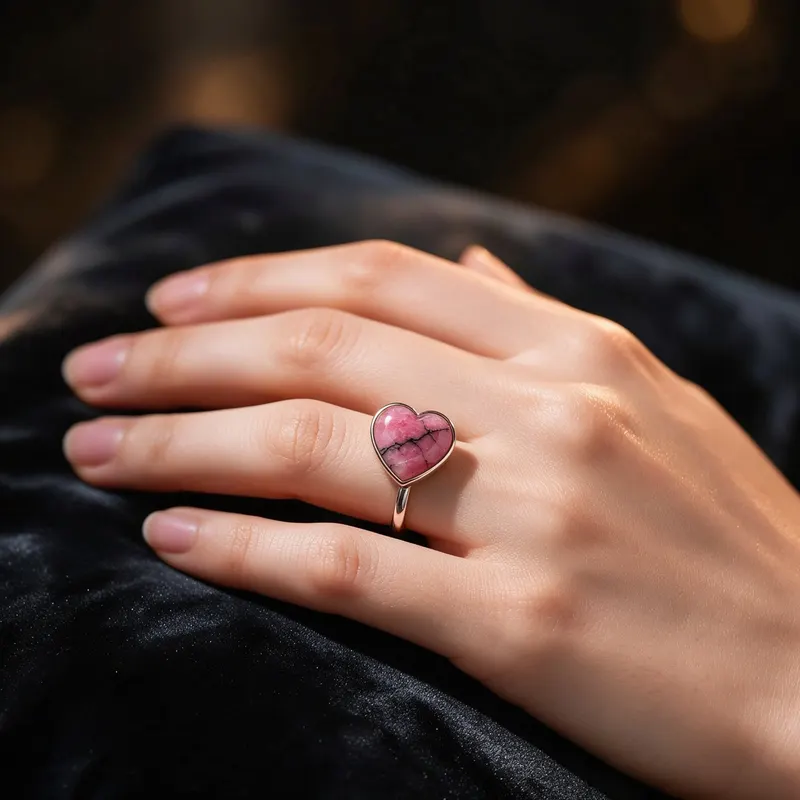
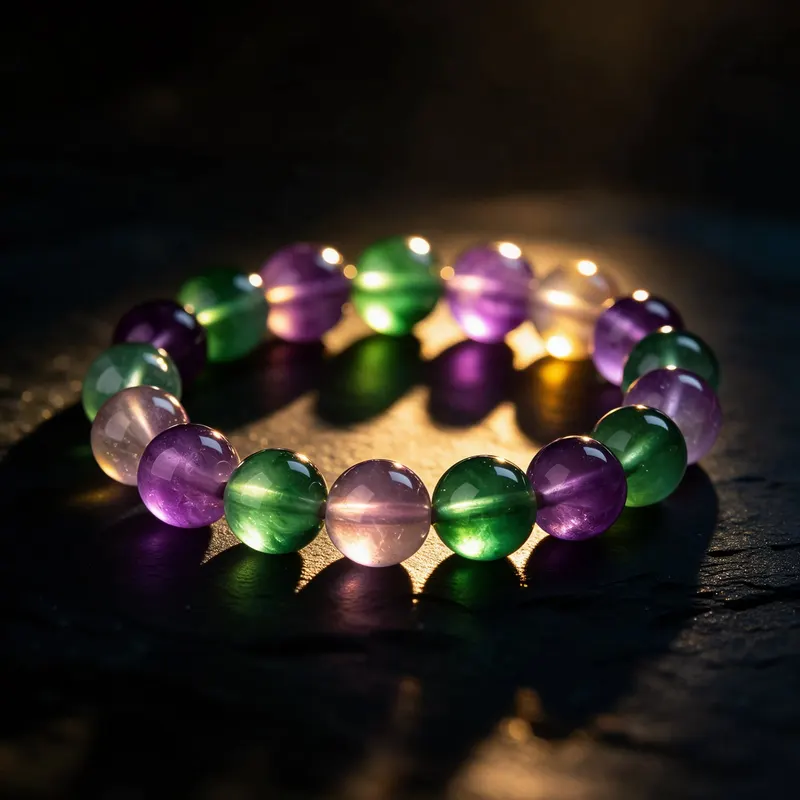
- A daily bracelet or pendant worn like ordinary jewelry. The most discreet option, and the one that survives the most situations. A beaded bracelet sits quietly under a sleeve; a pendant tucks under a shirt collar. Neither requires you to remember anything in the morning beyond getting dressed.
- A small stone in a bag's inner pocket or pencil case. Good for people whose clothing has no reliable pockets. Keep it in a small drawstring pouch so it doesn't rattle against keys or scratch a phone screen.
- A piece on your desk where your eyes land during work. A cluster or point placed just outside your direct line of sight—near the monitor base or beside a lamp—catches your attention during natural pauses. This works especially well for larger display pieces that aren't practical to carry.
- A stone in the car's cupholder or console. Useful for commute-related stress, though be aware that sustained heat and direct sun can fade some stones over time (more on that below).
Choosing Between Jewelry and Loose Stones
Jewelry wins on discretion and consistency; loose stones win on flexibility and price. If you're new to this, a bracelet is usually the easiest starting point because it requires zero decisions once it's on your wrist. If you already wear rings or necklaces daily, adding a stone pendant or ring to an existing habit is nearly effortless. A beaded amethyst bracelet is a common first choice—the color reads as ordinary jewelry to anyone who isn't looking closely.
A Quick Comparison: Which Carry Method Fits Your Day?
| Method | Best for | Discretion | Durability notes |
|---|---|---|---|
| Pocket stone | People with reliable pockets; home or casual settings | High | Watch for laundry day; softer stones scratch against keys |
| Bracelet | Everyday wear, office, school | Very high | Elastic cord needs restringing eventually; avoid water and harsh soaps |
| Pendant | Work settings, formal occasions | Very high | Check the bail and chain regularly; softer stones can chip if knocked |
| Bag pocket | Travel, commuters, parents | High | Use a pouch; avoid crushing under heavy items |
| Desk piece | Focus and workspace anchoring | Low (visible) | Keep out of direct sun; dust regularly |
How to Choose a Stone That Survives Daily Wear
Not every crystal is a good candidate for all-day carrying. The single most useful number here is Mohs hardness—a 1-to-10 scale of scratch resistance. A stone rated 7 or above handles daily wear well; anything at 5 or below will scratch, dull, or chip if carried loose in a pocket alongside keys or coins. For jewelry, softer stones are fine as pendants or earrings (protected from knocks) but risky as rings, which take the most abuse.
- Hard and durable (good for pockets and rings): quartz family stones like clear quartz, amethyst, citrine, and tiger's eye (all around 6.5–7), plus harder stones like labradorite (6–6.5, best in jewelry rather than loose pockets).
- Moderate (fine in jewelry, care needed loose): moonstone, lapis lazuli, and fluorite (4–6). These are better set in a pendant or bracelet than rattling around a pocket.
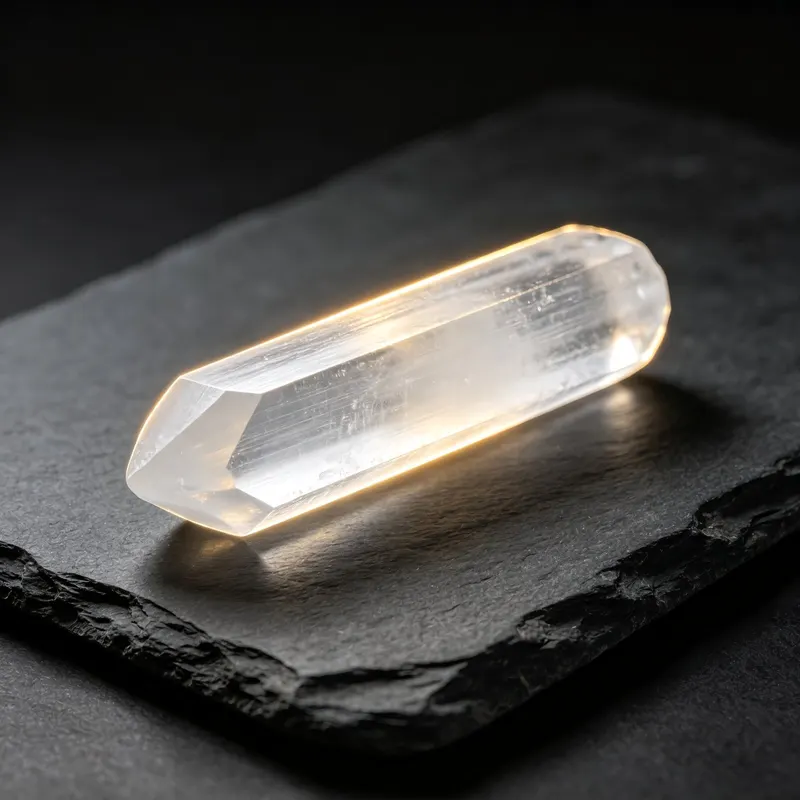
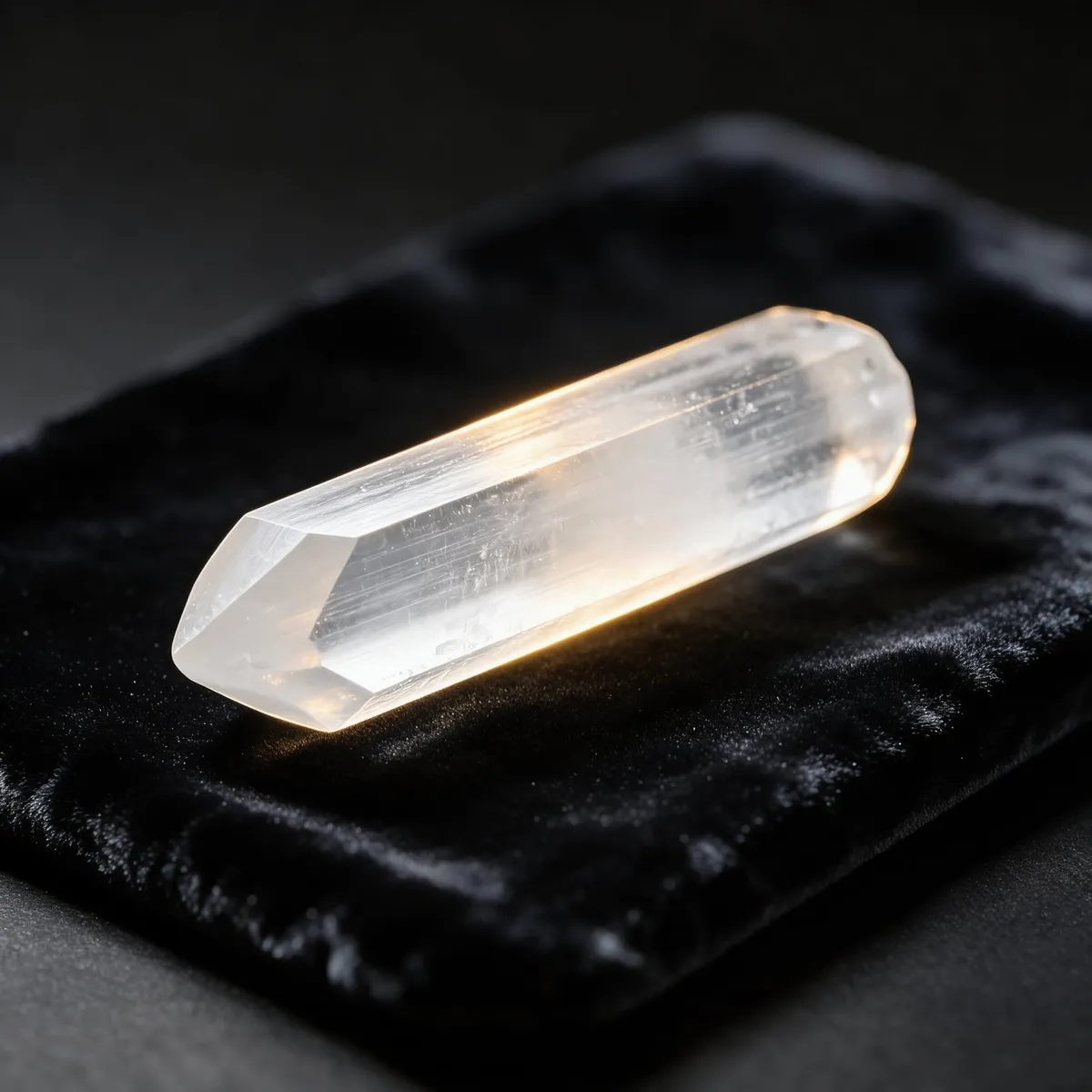
- Soft or fragile (display and gentle handling only): selenite (about 2—it scratches with a fingernail), rhodonite and rose quartz are somewhat softer and benefit from a pouch. Selenite in particular should never be worn as a ring or carried loose.
If you want a single piece that handles almost anything, a clear quartz point pendant in sterling silver is a sensible choice: quartz is hard, the setting protects the stone, and a pendant stays out of the way of handwashing and typing.
What lore says — and what the evidence shows
Crystal lore is old and varied, and it's worth separating the symbolic layer from the physical facts so you can make informed choices about care and expectations.
What tradition holds
In crystal and I Ching traditions, stones are traditionally associated with particular qualities—amethyst with calm and clarity, rose quartz with the heart and self-love, black tourmaline with grounding and protection, citrine with abundance and joy. Many practitioners believe that carrying a stone with a clear intention may support a reflective, mindful frame of mind. These are symbolic and contemplative frameworks, not claims about physical effects. A stone invites you to pause and check in with yourself; it does not cause outcomes, and no crystal can promise love, wealth, health, or exam results.
What we can verify
The physical properties are measurable and worth knowing:
- Hardness varies enormously. Selenite scratches with a fingernail; quartz scratches glass. This determines how and where you can carry a stone.
- Water sensitivity. Selenite dissolves and pits in water. Lapis lazuli and malachite-like stones can be damaged by prolonged soaking. Fluorite is water-tolerant but soft. Remove bracelets and rings before swimming, showering, or washing dishes.
- Sunlight sensitivity. Amethyst, rose quartz, citrine, and fluorite can fade with prolonged direct sun exposure. A desk by a bright window is fine for a few hours; a car dashboard in summer is not.
- Heat and chemicals. Perfume, hairspray, chlorine, and household cleaners can dull or damage many stones and metal settings. Apply products first, then put on jewelry.
- Cleaning. Most hard stones can be wiped with a soft damp cloth and dried immediately. Selenite and other soft stones should be dusted dry only.
None of this requires special expertise—just the same care you'd give a nice watch or a piece of costume jewelry you want to keep looking good.
A Simple Daily Reset Routine
Consistency matters more than complexity. A three-part routine takes under a minute a day and gives the stone a clear role in your attention.
- Morning: hold the stone for a few seconds and repeat your intention once—a single phrase like "steady" or "patient" is enough.
- During stress: touch it and take three slow breaths. This is the moment the stone earns its place: it's a physical cue to pause before reacting.
- Night: set it on a selenite cleansing wand or a clean dish and let it rest. Selenite is traditionally used for energetic clearing; physically, it's simply a stable, dry resting place. Keep selenite itself away from water.
If you carry a stone in a bag, empty the bag's pocket once a week so the stone doesn't get buried under receipts and forgotten. If you wear a bracelet, check the elastic cord monthly for fraying and restring before it breaks.
Where to Start If You're Brand New
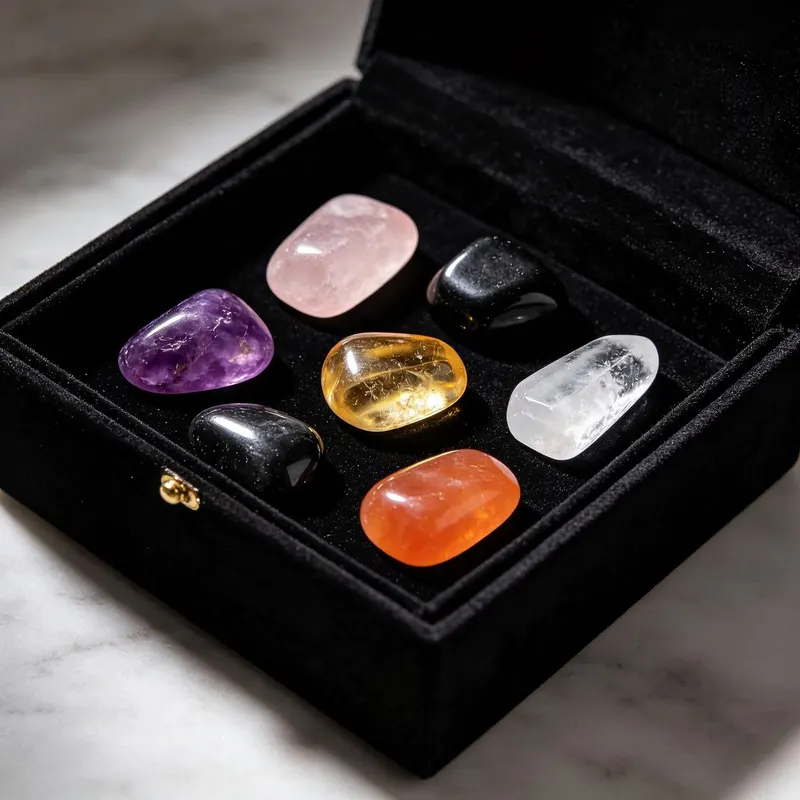
If you're unsure which stone to carry, a small starter set lets you try several without committing to one. A seven-stone starter kit with a guide is a low-risk way to find which stone you actually reach for—the one you keep picking up is usually the one worth upgrading to a bracelet or pendant. If you already know you want something to wear, start with a bracelet in a stone that suits your intention and a hardness of 6.5 or above.
And if you're drawn to a particular stone for a particular reason—say, a tiger's eye bracelet for focus and courage before a demanding work season—that's a perfectly good place to begin. The intention you set matters more than the stone's reputation.
FAQ
People Also Ask
Where should I keep my crystal during the day?
A consistent pocket, a worn bracelet, or a fixed desk spot works best—choose somewhere your hand or eye naturally reaches. Consistency builds the habit faster than any particular placement.
Do I have to hold a crystal for it to "work"?
No. Wearing or carrying it, paired with a clear intention and occasional mindful pauses, is the usual daily practice. The stone functions as a reminder, not a device that requires contact.
Can I wear my crystal bracelet in the shower or pool?
It's best not to. Water, soap, chlorine, and heat can degrade elastic cord, dull metal settings, and damage softer stones. Remove bracelets and rings before showering, swimming, or washing dishes.
How do I know if a stone is too soft to carry?
Check its Mohs hardness. Anything at 5 or below (selenite, for example) will scratch or chip easily and is better kept on a shelf or in a pouch. Stones at 6.5–7 and above handle daily pocket and jewelry wear well.
Browse the Curated Collection
Ready to find a piece that fits your day? Explore our Protection & Grounding collection for stones traditionally associated with steadiness, or browse the full range of bracelets and pendants to match your routine.
Crystals are offered for wellness and reflection, not as medical or psychological treatment. They are not medical devices and are not intended to diagnose, treat, cure, or prevent any condition.