Why Salt Is Used
Salt has a long history as a purifying substance across many traditions, and crystal practitioners use it to draw off accumulated or "heavy" energy from a stone. The key is to use a dry salt bed rather than soaking crystals in salt water, which can damage many stones.
If you have ever set a new crystal on your windowsill, felt unsure what to do with it, and then worried you might ruin it by doing the wrong thing, this guide is for you. The dry salt bed is one of the oldest and simplest cleansing methods, and it is also one of the easiest to get wrong. Below you will find a step-by-step method, a clear safety list of stones that should never touch salt, and an honest separation of tradition from what we can actually verify about your stone's physical care.
The Dry Salt Bed Method, Step by Step
- Choose the right vessel. Use a glass, ceramic or natural-fibre bowl. Avoid metal, which some practitioners believe can interfere with a stone's energy and which may react with salt over time.
- Add a layer of coarse natural salt. Himalayan pink salt or coarse sea salt works well. A layer about half an inch deep is enough for most stones; you do not need to fill the bowl.
- Set the crystal on top of the salt, or partly nestled into it. Do not submerge the stone in water. For tumbled stones and small clusters, resting them on the surface is sufficient. For larger pieces, make a small hollow in the salt and seat the stone gently.
- Leave it for a few hours, or overnight if the stone has been through a lot — a move, a difficult season, or heavy handling by many people.
- Remove the crystal and brush off every grain of salt. Use a soft dry brush or cloth. Salt left in crevices can be abrasive and, over time, may dull a polished surface.
- Rinse only stones that are water-safe. If you are unsure whether your stone tolerates water, skip the rinse and simply brush it clean. Many polished or porous stones should never be rinsed.
- Discard the salt afterward. It is traditionally considered to hold what it absorbed, so do not reuse it for cleansing or cooking.
Why Dry Salt Is Safer Than Salt Water
Salt water is the method most often recommended online, and it is also the one most likely to damage your collection. Many crystals are water-soluble, porous, or contain iron that rusts on contact with moisture. A dry salt bed gives you the symbolic and traditional benefits of salt without soaking the stone. For a deeper look at which stones tolerate water at all, see our guide to stones that cannot get wet.
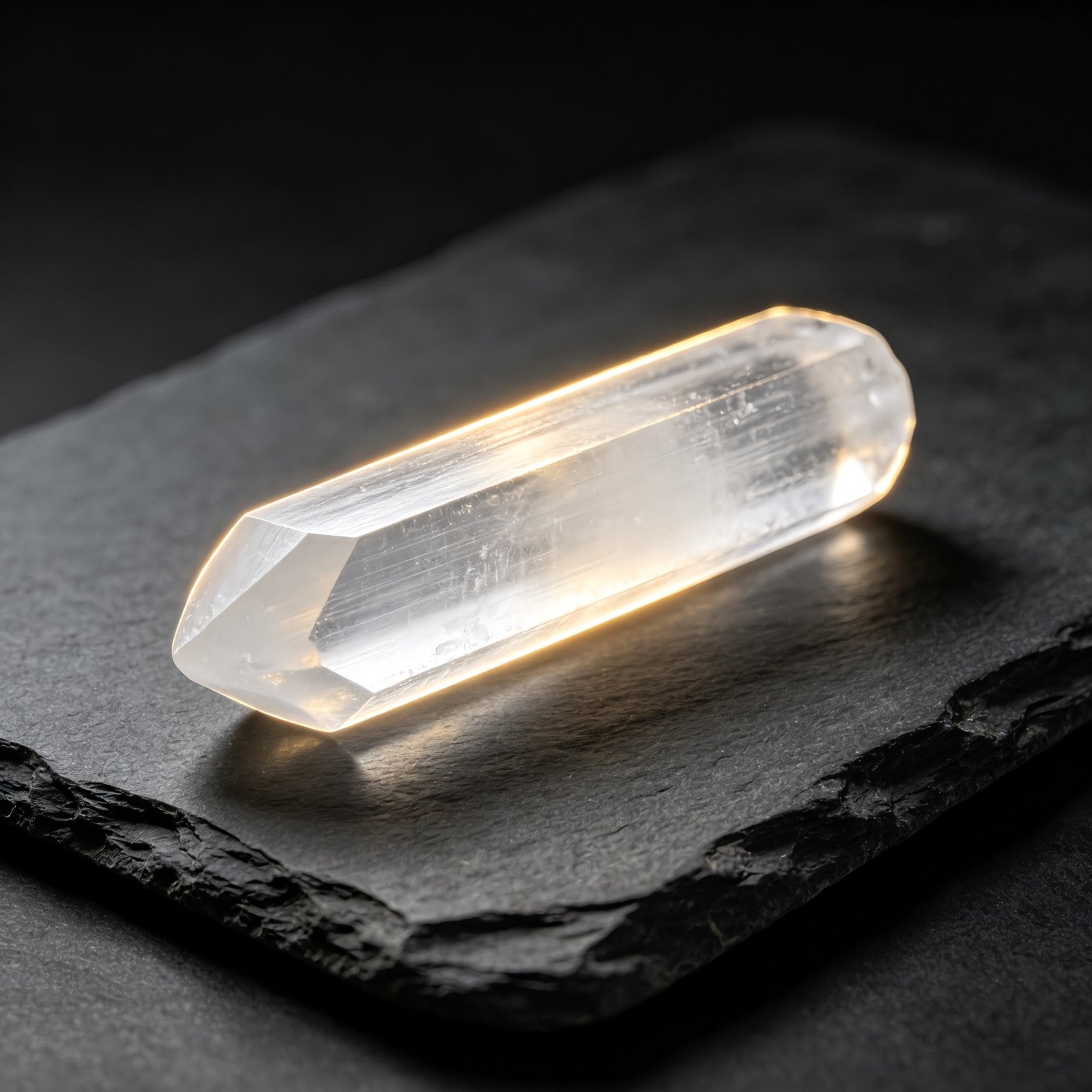
Even dry salt is mildly abrasive, so the method is best suited to hard, non-porous stones. Soft or polished pieces are better cleansed with gentler methods such as a Selenite Cleansing Wand, sound, or visualization.
Which Stones Should Avoid Salt
Salt is mildly abrasive and can affect porous, soft or polished stones. Use a gentler method — such as selenite, sound or visualization — for the following:
- Soft or porous stones: calcite, selenite, kyanite, angelite, malachite, lepidolite, moonstone, rhodonite, fluorite and labradorite.
- Most polished jewellery: rings, pendants and bracelets with delicate settings or plated metals.
- Stones with surface coatings or treatments: dyed, stabilized or foil-backed pieces.
- Raw or friable clusters: pieces that shed grit or have fragile terminations.
Hard, non-porous stones such as clear quartz, amethyst, black tourmaline and obsidian generally tolerate a dry salt bed well. When in doubt, choose the gentler method — a stone that is not cleansed by salt is not harmed by skipping it.
Quick Reference: Which Cleansing Method Fits Your Stone
| Stone / Type | Dry Salt Bed | Better Alternative | Notes |
|---|---|---|---|
| Clear quartz, amethyst | Yes | — | Hard and non-porous; brush well afterward. |
| Black tourmaline, obsidian | Yes | — | Tolerates salt; avoid prolonged soaking. |
| Rose quartz, citrine, tiger's eye | Short sessions only | Selenite, sound | Polished surfaces can dull with repeated salt contact. |
| Moonstone, labradorite, fluorite | No | Selenite, sound, moonlight | Softer stones; salt may scratch. |
| Calcite, selenite, kyanite, angelite | No | Selenite, sound, visualization | Porous or soft; salt can pit the surface. |
| Malachite, lepidolite, rhodonite | No | Sound, visualization | Soft and often polished; handle gently. |
| Jewellery with plated metal | No | Soft cloth, sound | Salt can accelerate tarnish and wear on plating. |
How Often to Cleanse
There is no fixed schedule. Many practitioners cleanse a new stone when it arrives, after someone else has handled it, or whenever the stone feels dull. If you wear a piece daily, a monthly cleanse is a common rhythm; if a stone sits on an altar, you may only cleanse it seasonally. For more on reading your own cues, see our note on how to tell when a crystal needs cleansing.
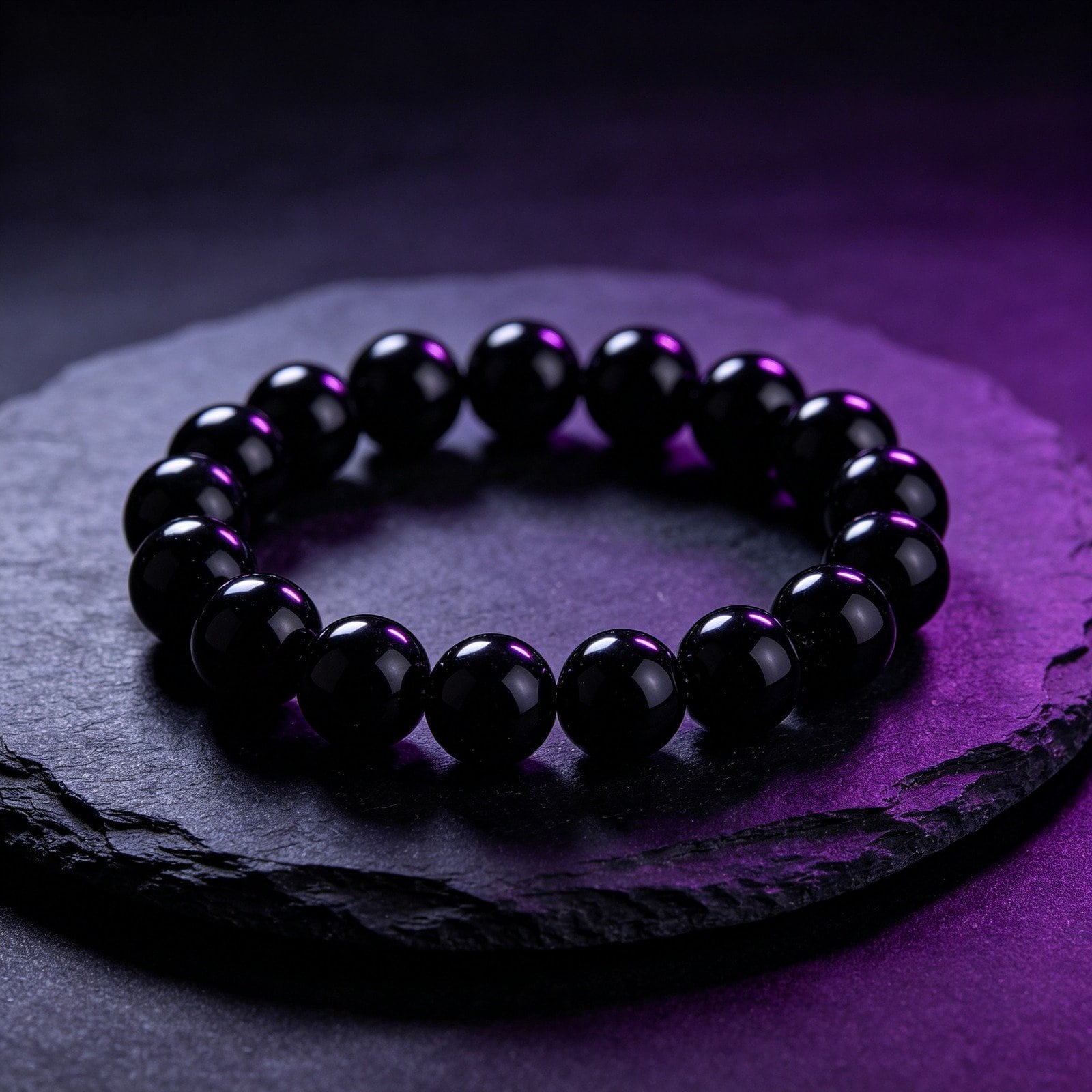
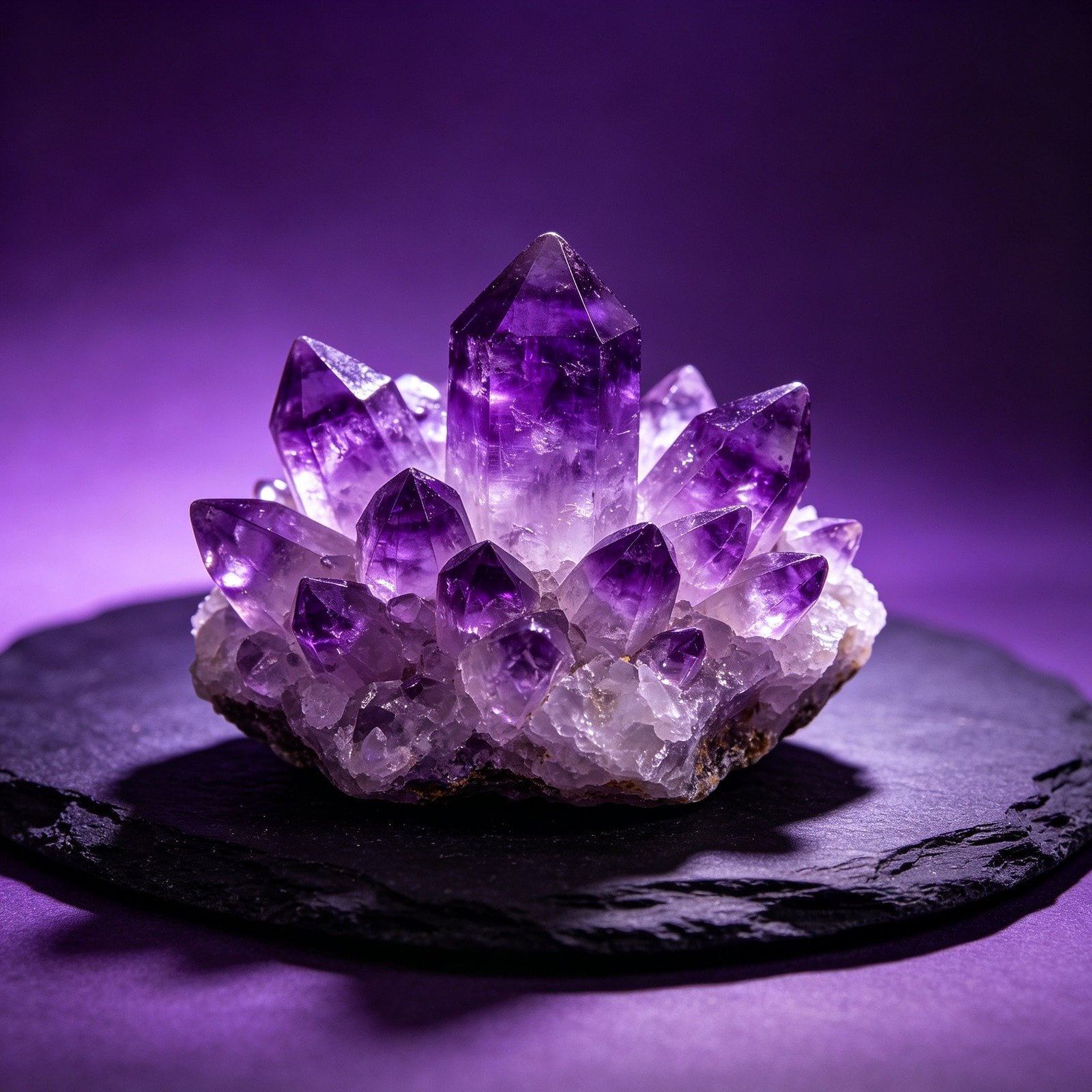
If you are building a practice around a specific intention, it helps to match the cleansing rhythm to how often you use the stone. A Black Tourmaline Protection Bracelet worn daily, for example, may benefit from a monthly dry salt bed, while a display piece like a Raw Amethyst Cluster can go longer between cleanses.
What the old stories say — and what checks out
Crystal cleansing is a spiritual practice, not a scientific one. It is worth being clear about which claims come from tradition and which come from the physical properties of the stone.
From tradition
- Salt is believed to absorb or neutralize "heavy" or stagnant energy.
- Cleansing is traditionally associated with restoring a stone's clarity and readiness for use.
- Different stones are believed to carry different qualities — amethyst is traditionally associated with calm, rose quartz with the heart, citrine with abundance.
- Discarding used salt is a customary way of releasing what was absorbed.
What we can verify
- Hardness matters. On the Mohs scale, quartz sits at 7 and will tolerate salt; calcite is around 3 and selenite around 2, so both are easily scratched by abrasive salt grains.
- Porosity matters. Porous stones can trap salt in surface pores, which may cause dulling or, over time, minor pitting.
- Water sensitivity matters. Some stones dissolve, flake or rust when wet, which is why a dry method is safer than a soak.
- Care basics: store soft stones separately, keep plated jewellery dry, and clean with a soft dry cloth rather than harsh chemicals.
None of this means the traditional practice is wrong — only that the practical care advice stands on its own, and the spiritual meaning is yours to hold. Crystals are for reflection and are not medical devices.
Choosing Stones That Suit the Salt Bed
If you want to build a collection that can be cleansed with dry salt, look for hard, non-porous stones. A few reliable choices:
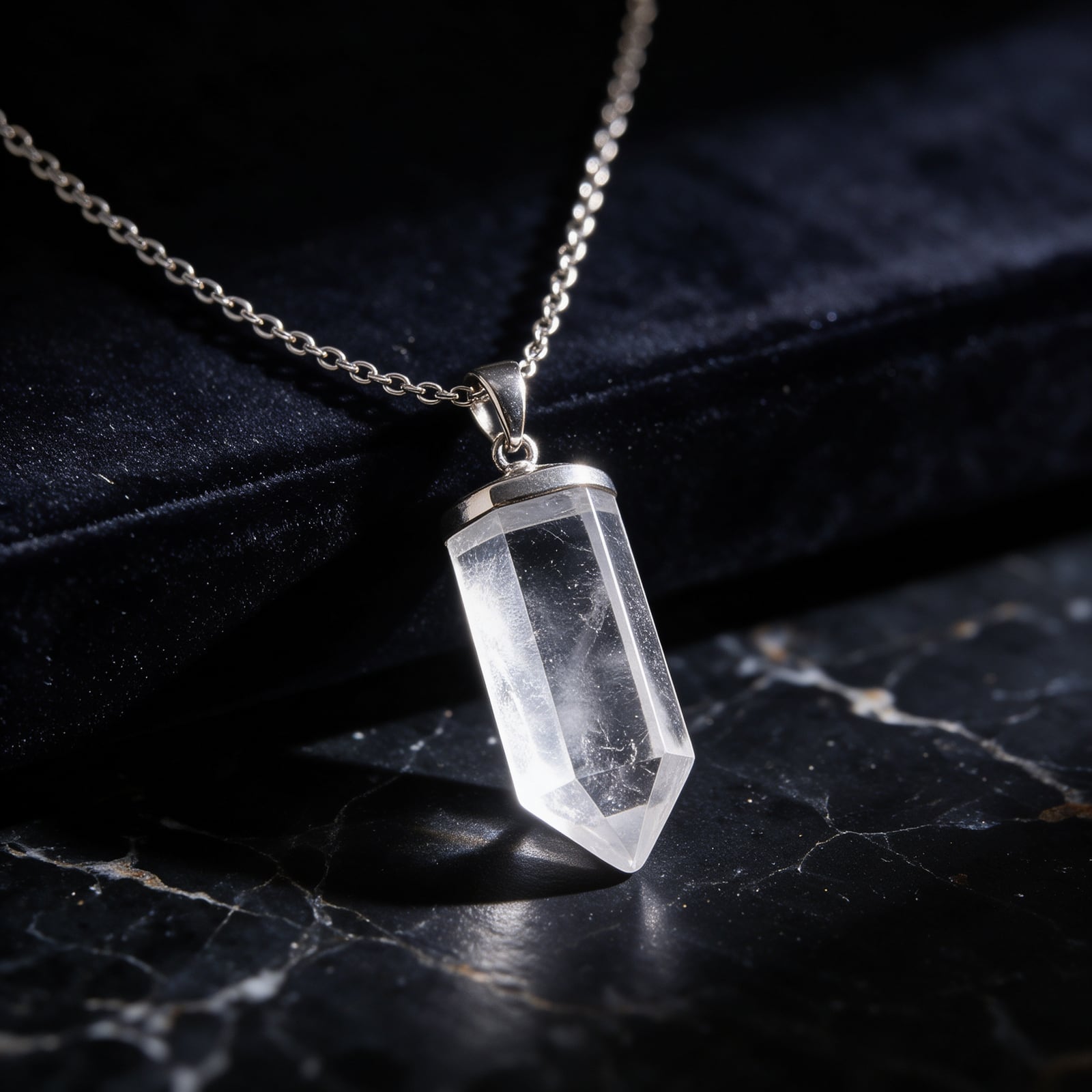
- Clear Quartz Point Pendant Necklace, Sterling Silver — quartz is hard and tolerant, though the silver setting should be kept dry.
- Amethyst Healing Bracelet for Calm & Clarity — amethyst is a durable quartz variety; short salt sessions are fine.
- Black Obsidian Teardrop Protection Pendant Necklace — obsidian is non-porous and tolerates salt well.
- Tiger's Eye Confidence Bracelet for Focus & Courage — a durable stone, but keep salt contact brief to protect the polish.
For softer or polished pieces — a Rainbow Moonstone Bracelet, a Rainbow Fluorite Focus Bracelet, or a Rhodonite Heart Ring — choose selenite, sound or moonlight instead. If you are just starting out, the Healing Crystal Starter Kit, 7 Stones + Guide includes a mix of stones and a guide that can help you sort which ones are salt-safe.
Frequently Asked Questions
Can I use table salt to cleanse crystals?
Plain table salt works in a dry bed, but coarse natural salt is preferred; avoid iodized salt and never make a salt-water soak unless your stone is confirmed hard and water-safe.
How long do I leave crystals in salt?
A few hours is common, and overnight is fine for stones that have been used heavily; always brush off all salt afterward.
Does salt damage crystals?
Dry salt is safe for hard stones like quartz and tourmaline, but can scratch or affect porous or polished stones, which are better cleansed with selenite or sound.
Can I cleanse jewellery in a salt bed?
Only if the stone is hard and the metal is solid, not plated. Salt can accelerate tarnish and wear on plated chains and settings, so a soft dry cloth or sound is safer for most jewellery.
Find Your Stone in Three Questions
Not sure where to begin? The free Dao Compass reading asks three short questions about your intention and suggests a matching crystal and hexagram. You can see your result without entering an email.
Browse the Curated Collection
Keep Exploring
How to Cleanse & Charge · Brown Rice Method · Stones That Cannot Get Wet
Crystals and readings are offered for reflection, wellness and spiritual support, not as medical, psychological, veterinary or financial advice, and outcomes are not guaranteed. Crystals are for reflection and are not medical devices. If you, a family member or a pet are dealing with a health condition, please contact a licensed professional or veterinarian.