Why Running Water Feels So Right — and Where It Goes Wrong
You've probably seen it in a video or read it in a guide: hold your crystal under the tap, let the water run over it, and feel the day's static wash away. It's one of the oldest and simplest cleansing rituals there is, and for a handful of stones it works beautifully. The problem is that the same advice gets repeated for every crystal — and a fair number of them will cloud, crack, or slowly dissolve if you try it.
This guide gives you a clear, practical method for water cleansing that actually protects your stones. You'll learn which crystals tolerate a brief rinse, which ones should never touch water, how to tell the difference before you commit, and what to do instead when a stone isn't water-safe. If you wear crystal jewelry — bracelets, pendants, rings — there's an extra layer of care involved, because the metal and cord matter as much as the stone.
None of this requires special equipment. A tap, a soft cloth, and five minutes of attention are enough. The skill is in knowing when to stop.
What "Cleansing" Means in Crystal Practice
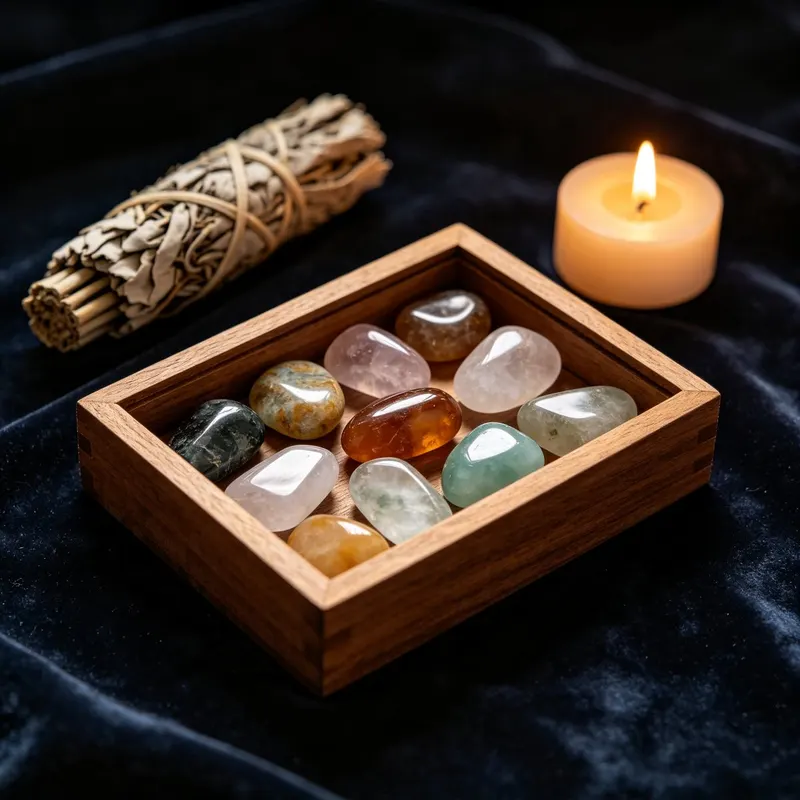
In crystal traditions, cleansing is the practice of "resetting" a stone — clearing the accumulated energy it's believed to pick up from handling, wear, or simply being in a busy space. Different traditions favor different methods: running water, sound (bells, singing bowls), smoke (sage, palo santo, incense), moonlight, sunlight, or resting on a selenite plate or cluster.
Running water is traditionally associated with release and flow — the idea being that moving water carries away what no longer serves you. Many people find it the most intuitive method because it mirrors something we already do: washing our hands, rinsing off after a long day. Whether or not you feel energy moving, the ritual itself invites you to pause, breathe, and set an intention. That reflective quality is the real value.
What water cleansing is not is a physical cleaning shortcut for every stone. Some crystals are genuinely damaged by water, and that damage is permanent. The rest of this guide is about telling the two groups apart.
Which Crystals Are Water-Safe? A Practical Reference
The single most useful rule is hardness. On the Mohs scale (1 = talc, 10 = diamond), stones at 7 or above generally tolerate a brief lukewarm rinse. Stones at 6 or below, or stones that are porous, layered, or contain water-soluble minerals, should stay dry. Here's how common stones sort out:
| Crystal | Mohs Hardness | Water Rinse? | Notes |
|---|---|---|---|
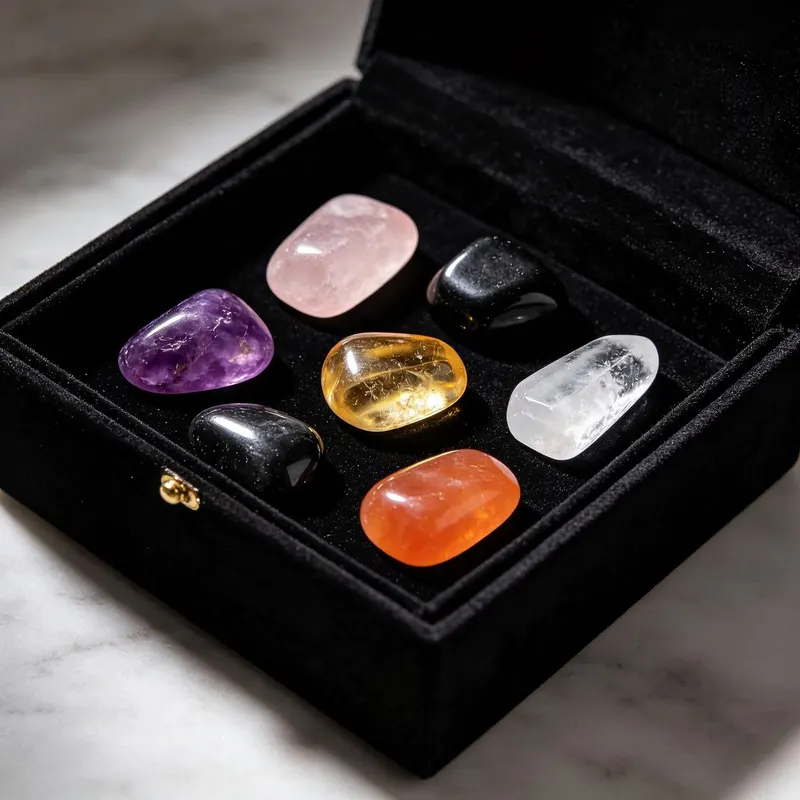
| Clear Quartz | 7 | Yes, briefly | Lukewarm water, pat dry |
| Amethyst | 7 | Yes, briefly | Avoid prolonged soaking; sunlight can fade color |
| Citrine | 7 | Yes, briefly | Same care as quartz |
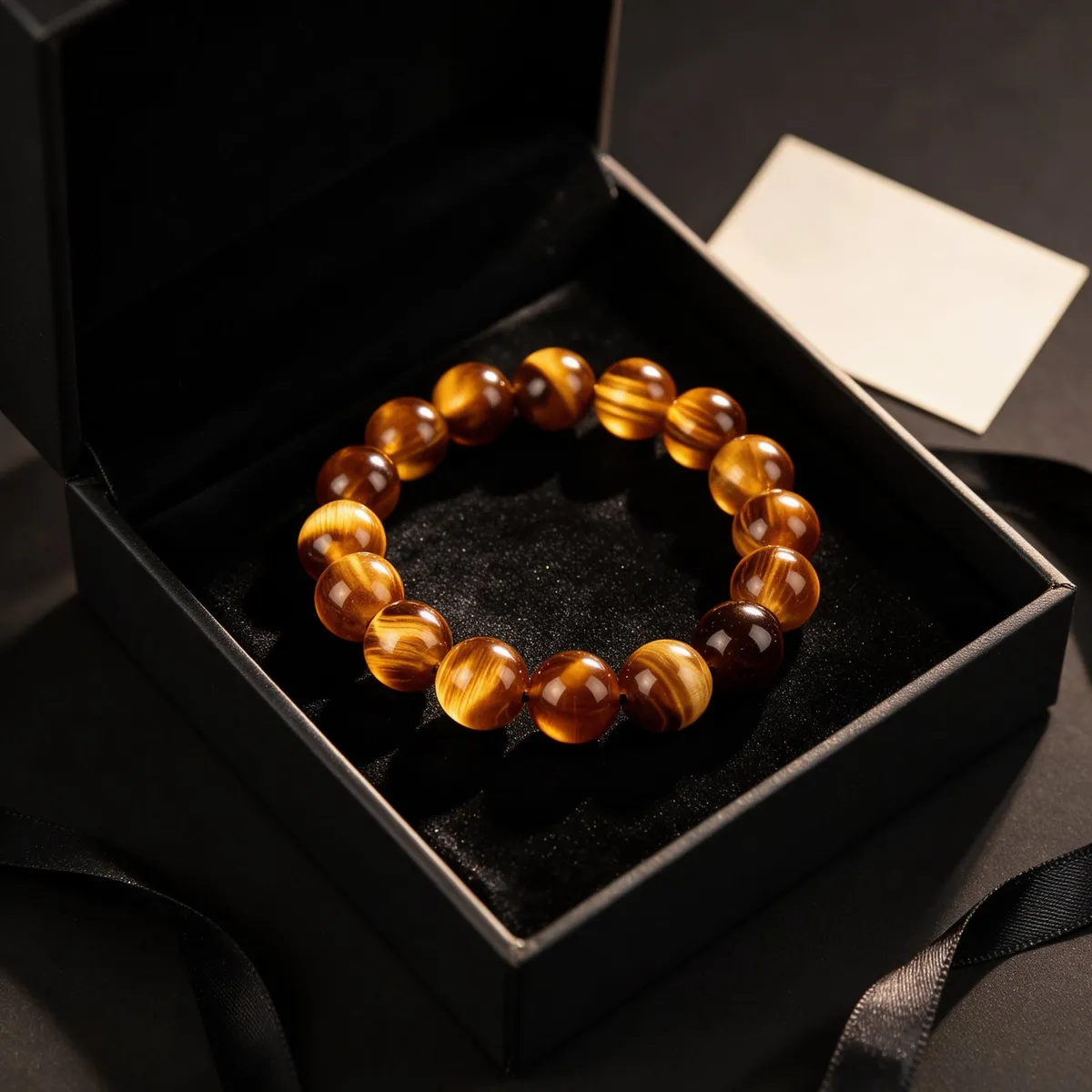
| Tiger's Eye | 6.5–7 | Quick rinse only | Fibrous structure; don't soak |
| Rose Quartz | 7 | Yes, briefly | Pat dry; avoid hot water |
| Black Tourmaline | 7–7.5 | Yes, briefly | Durable; still avoid soaking |
| Labradorite | 6–6.5 | No | Cleavage planes can crack; use sound or moonlight |
| Selenite | 2 | Never | Water-soluble; will pit and dissolve |
| Calcite | 3 | Never | Soft and acid-sensitive |
| Malachite | 3.5–4 | Never | Soft; also handle with care |
| Halite (rock salt) | 2.5 | Never | Literally dissolves in water |
| Lapis Lazuli | 5–6 | No | Contains calcite and pyrite; porous |
| Moonstone | 6–6.5 | No | Layered feldspar; can crack |
| Fluorite | 4 | No | Soft and cleavable |
| Aquamarine | 7.5–8 | Yes, briefly | Hard, but avoid hot water |
Hardness isn't the whole story, though. A stone can be hard and still be a poor candidate for rinsing if it's set in metal, strung on elastic, or glued into a bezel. More on that below.
A quick pre-rinse checklist
- Is it a single, unset stone at 7+ on the Mohs scale? If no, skip the tap.
- Is it free of metal, elastic, glue, or cord? If no, skip the tap.
- Is it porous, layered, or visibly soft? If yes, skip the tap.
- Are you unsure what the stone even is? Assume no and use sound or moonlight.
- Is the water lukewarm? Hot or icy water stresses stones and can cause cracking.
The Water-Safe Method, Step by Step
If your stone passes the checklist, here's how to rinse it without regret.
- Set the intention first. Before the water touches the stone, decide what you're releasing. Naming it — a tense week, a decision you've been circling — makes the ritual feel deliberate rather than automatic.
- Run lukewarm water. Not hot, not icy. Extreme temperatures are a common cause of hairline cracks in quartz.
- Hold the stone in the stream for about 30–60 seconds. A minute is plenty. There's no benefit to soaking, and longer exposure only increases risk.
- Visualize the release. Many people picture the water carrying away a dull gray residue. Use whatever image feels natural; the point is attention, not performance.
- Pat completely dry with a soft, lint-free cloth. Don't air-dry on a windowsill — trapped moisture in crevices can cause cloudiness over time.
- Recharge afterward. Rest the stone on a selenite plate or leave it in moonlight overnight. Water cleanses; it doesn't necessarily recharge.
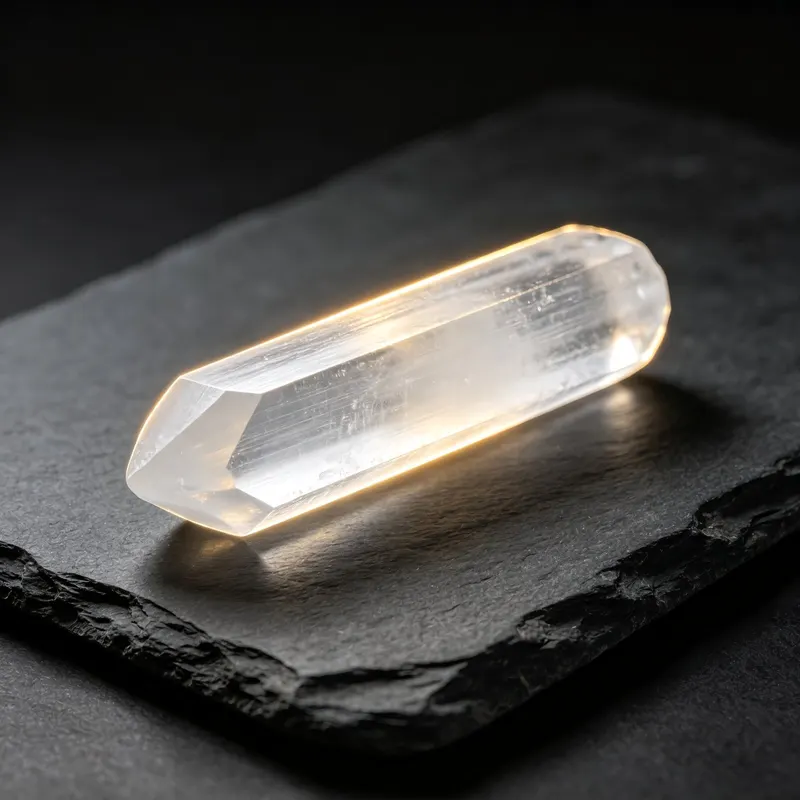
That's the whole method. If you want a dedicated tool for the recharge step, a Selenite Cleansing Wand for Energy Clearing doubles as a resting place for small stones — and as a reminder that selenite itself should never be rinsed.
Never Rinse These: Stones That Dissolve, Crack, or Cloud
This is the list worth memorizing. These stones are beautiful and worth owning, but water is their enemy:
- Selenite — water-soluble. A rinse will pit the surface and leave it chalky. It's also soft enough to scratch with a fingernail.
- Calcite, halite, malachite — soft and, in halite's case, literally salt. Water dissolves or damages them.
- Lapis lazuli — contains calcite and pyrite; water can dull the surface and seep into pores.
- Moonstone, labradorite, fluorite — layered or cleavable structures that can crack along internal planes.
- Anything with a metal setting, chain, or elastic cord — water weakens elastic, tarnishes or rusts findings, and can loosen glue. This applies even when the stone itself is water-safe.
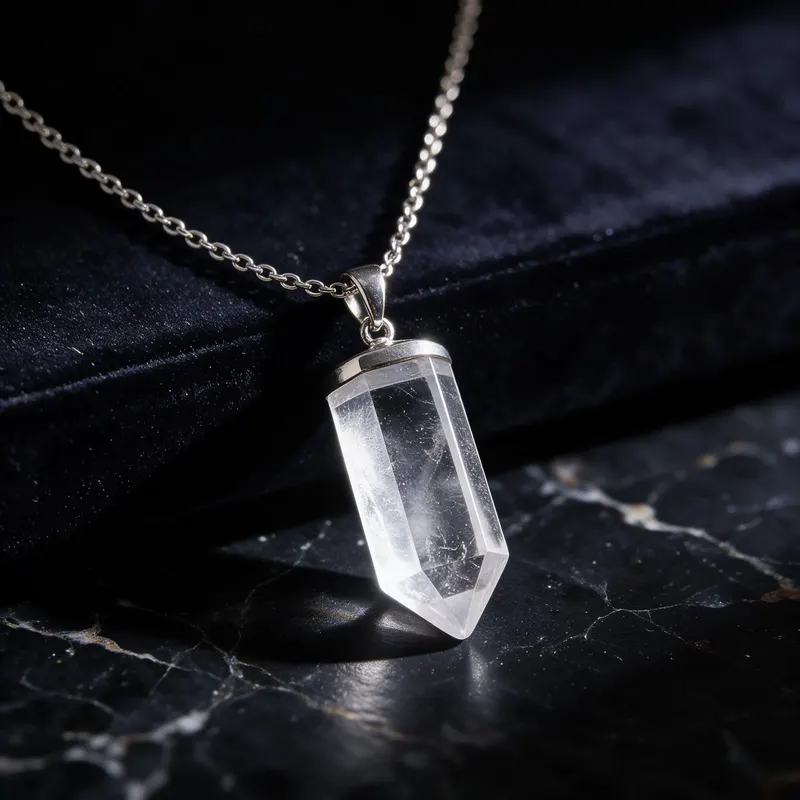
That last point matters more than most guides admit. A Clear Quartz Point Pendant Necklace, Sterling Silver contains a perfectly water-safe stone — but the sterling silver setting and chain are not. Cleanse the pendant with sound or smoke, and keep it out of the sink.
What About Bracelets, Pendants, and Rings?
Jewelry is where water cleansing causes the most quiet damage. Elastic cord absorbs water, stretches, and eventually snaps. Sterling silver tarnishes faster with repeated exposure. Gold plating can flake at the edges. Even a stone that would happily survive a rinse shouldn't be rinsed while it's strung or set.
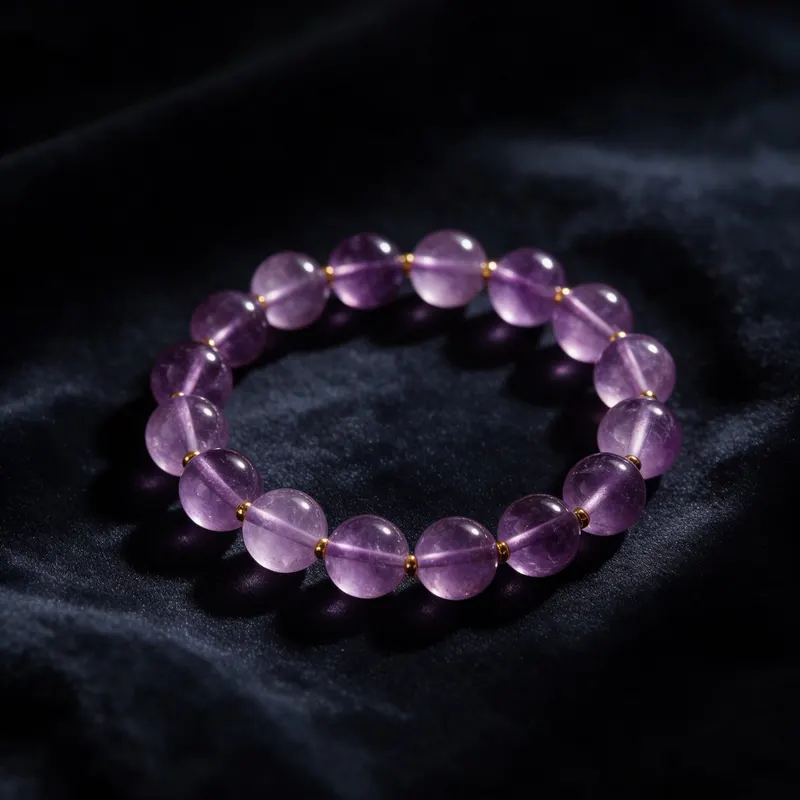
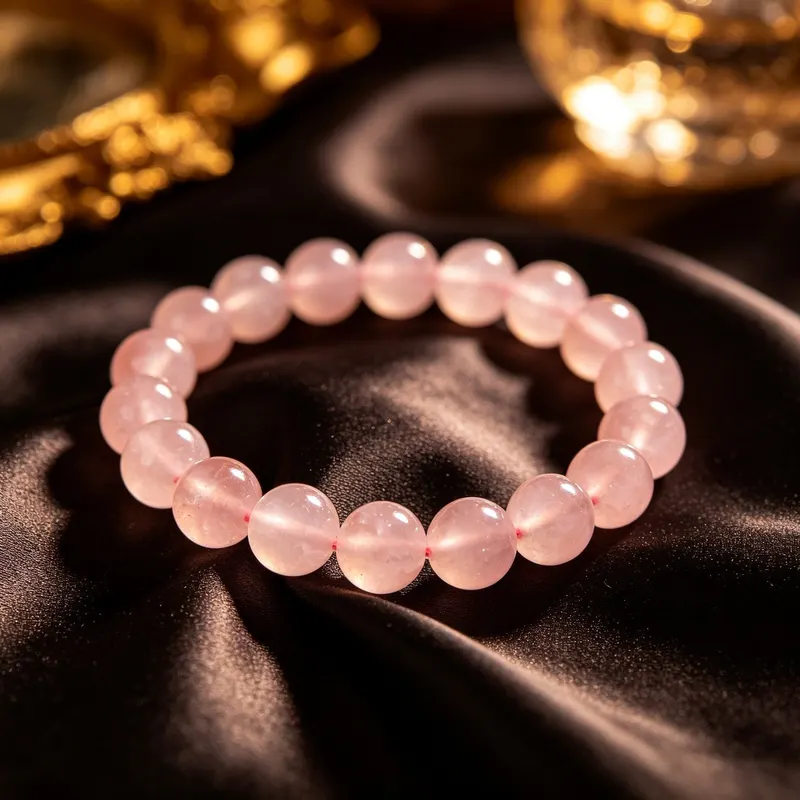
So for anything you wear, use a dry method instead: sound (a bell or singing bowl held near the piece), smoke, moonlight, or resting on a selenite plate. This applies across the board — an Amethyst Healing Bracelet for Calm & Clarity, a Rose Quartz Love Bracelet for Self-Love & Heart, and a Black Tourmaline Protection Bracelet for Grounding all contain water-tolerant stones, but none of them should go under the tap because of the cord. The same goes for rings and pendants with any metal component.
If you want one simple habit that covers your whole collection, keep a selenite plate or a small dish of clean stones near where you take off your jewelry. Resting a piece there overnight is a low-effort cleanse that never risks damage.
What lore says — and what the evidence shows
Crystal cleansing sits at the meeting point of tradition and material science, and it's worth being clear about which is which.
What the tradition says: Running water is believed to carry away stagnant or accumulated energy. Many practitioners hold that stones "absorb" the mood of a space or a person and need periodic resetting. These are meaningful frameworks for reflection and ritual, and they're the reason cleansing feels satisfying. They are not scientific claims, and we don't present them as such.
What we can verify: Hardness, solubility, porosity, and heat sensitivity are measurable. Quartz at Mohs 7 resists scratching and brief water exposure; selenite at Mohs 2 dissolves; layered feldspars can crack along cleavage planes; elastic cord degrades with water; sterling silver tarnishes. These facts are why the method above is structured the way it is — the ritual is traditional, but the care instructions are practical.
What to do with the difference: Use the tradition for meaning and the facts for handling. You don't have to choose between them. A cleanse that respects both — intention plus lukewarm water plus a proper dry — is the version that lasts.
Crystals are for reflection and are not medical devices. They are not intended to diagnose, treat, cure, or prevent any condition.
Frequently Asked Questions
Can I cleanse any crystal under running water?
No. Only single, unset stones at roughly Mohs 7 or above — clear quartz, amethyst, citrine, rose quartz, aquamarine — tolerate a brief lukewarm rinse. Soft, porous, layered, or water-soluble stones (selenite, calcite, malachite, halite, lapis lazuli, moonstone, labradorite, fluorite) should never be rinsed. When you're unsure what a stone is, treat it as not water-safe.
How long should I hold a crystal under the tap?
About 30–60 seconds is plenty. Longer soaking offers no additional benefit and increases the risk of water seeping into cracks or clouding the surface. Use lukewarm water — never hot or icy — and pat the stone completely dry afterward with a soft cloth.
Can I wash my crystal bracelet under the tap?
Avoid it, even if the stones themselves are water-safe. Elastic cord weakens with water, metal findings tarnish or rust, and glued settings can loosen. Cleanse bracelets, pendants, and rings with sound, smoke, moonlight, or a selenite plate instead.
What should I use instead of water?
Sound (a bell, chime, or singing bowl), smoke from incense or dried herbs, moonlight, or resting the stone on a selenite plate or cluster. These methods work for every stone, including the ones that can't touch water, and they're the safest default for jewelry.
A Simple Rule to Remember
If you take one thing from this guide, make it this: hard, single, unset stones can be rinsed briefly; everything else gets a dry cleanse. That single rule will protect nearly every piece in your collection, and it takes about five seconds to apply.
Running water remains one of the most satisfying cleansing rituals — there's a reason it's endured. Used with a little care about hardness and settings, it's a lovely way to mark a reset. Used indiscriminately, it's how beautiful stones get ruined. Choose the version that lets you keep your pieces for years.
When you're ready to build or refresh your collection, browse the Raw Stones & Sets collection, and keep the water safety guide and sound cleansing guide bookmarked for the stones that need a gentler touch.