Start With the Question You're Actually Asking
You bought a crystal—maybe a bracelet you wear daily, maybe a palm stone you keep on your desk—and now you're waiting for something to happen. A shift. A sign. Some confirmation that this wasn't just a pretty object you spent money on. If you've found yourself holding it and thinking, "Is this doing anything?" you're in exactly the right place, and you're not being naive. You're being honest.
The honest answer is that crystals don't work the way a light switch works. There's no click, no hum, no measurable output you can point to and say "there it is." What most people actually notice is subtler and more interesting: the stone becomes a physical anchor for an intention, and the ritual around it—pausing, breathing, checking in—starts to change small behaviors. That's not nothing. It's also not magic in the way movies suggest.
This guide walks through what realistic signs of "working" look like, how to notice them without fooling yourself, how to choose a stone that fits a specific goal, and where tradition ends and verifiable fact begins. We'll keep the woo where it belongs and the honesty where it counts.
Set Realistic Expectations First
Crystals don't flash, hum, or vibrate in any way you'd detect with an instrument. Their effect is experienced through the behavior and awareness the ritual creates—a reminder that shifts how you pause, breathe, and act. If you go in expecting a dramatic physical sensation, you'll likely be disappointed. If you go in expecting a small, repeatable cue that helps you return to an intention, you'll probably notice something within a couple of weeks.
This matters because the most common reason people conclude a crystal "isn't working" is that they were measuring against the wrong standard. A crystal is closer to a bookmark than a battery. It doesn't generate the story; it holds your place in it.
Realistic Signs a Crystal Is "Working"
These are the signals worth paying attention to. None of them are proof of anything supernatural, but together they form a fair, honest picture of whether the stone is doing its job as a ritual object.
- You reach for it and pause before reacting. A tense moment arrives, your hand finds the stone, and you take one breath before speaking. That pause is the effect.
- It consistently reminds you of your stated intention. You see the bracelet on your wrist and remember "I'm practicing patience today" without having to work at it.
- The associated routine becomes a habit. The breathing, the two-line journal entry, the boundary you set—these start happening without a fight.
- You feel a small, subjective sense of calm or focus while holding it. This is real but personal. It may be the cool weight of the stone, the familiarity of the ritual, or both.
- You notice the absence more than the presence. On days you forget to wear it, you catch yourself missing the check-in. That's a strong sign the ritual has taken root.
- Your language changes. You start describing your week in terms of the intention ("I stayed grounded in that meeting") rather than in terms of the stone.
Notice what's not on this list: sudden windfalls, dramatic personality changes, other people magically responding to you, or physical sensations you can't explain. If someone promises those, they're selling, not teaching.
How to Notice Without Fooling Yourself
The risk with any reflective practice is confirmation bias—seeing what you want to see. A simple structure keeps you honest.
- Write your intention down and date it when you first program the stone. Be specific: "I want to respond to my sister with less defensiveness" beats "I want good energy."
- Keep a two-line log for two weeks. One line on what happened, one on whether you noticed the intention showing up. No essay required.
- Review at the two-week mark and be willing to say "nothing changed." That's useful data, not failure.
- Cleanse and re-commit if the routine has gone stale, or try a different stone matched to a clearer, narrower goal.
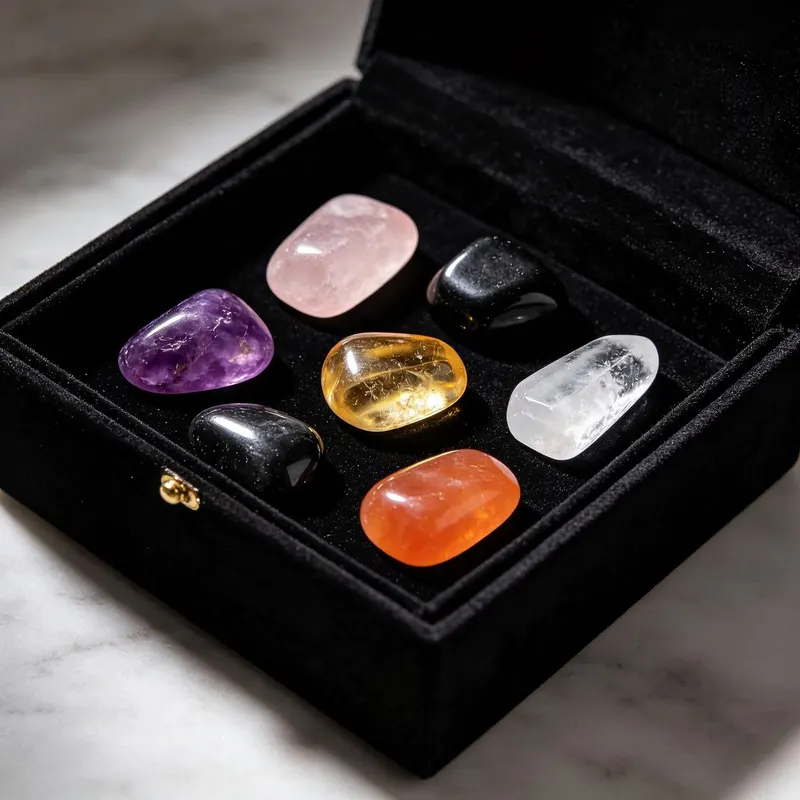
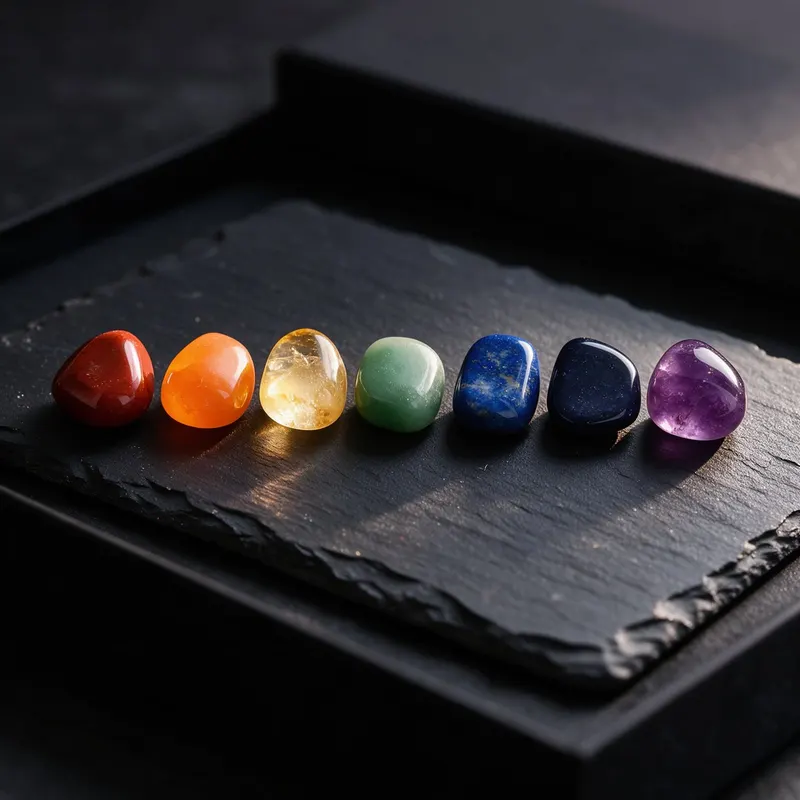
If you want a structured starting point, a set like the Healing Crystal Starter Kit, 7 Stones + Guide gives you several stones to rotate through so you can compare how each one feels in practice rather than guessing from a single piece.
Matching the Stone to the Goal
Most "is it working?" confusion comes from a mismatch between the stone and the intention. If you're wearing a stone traditionally associated with calm while your actual goal is focus, you'll feel a disconnect. Here's a practical map of common goals to stones, with the traditional associations clearly labeled as tradition.
| Your goal | Stone traditionally associated with it | What to actually do with it |
|---|---|---|
| Slowing down, winding down at night | Amethyst | Wear it in the evening; pair with a five-minute wind-down ritual |
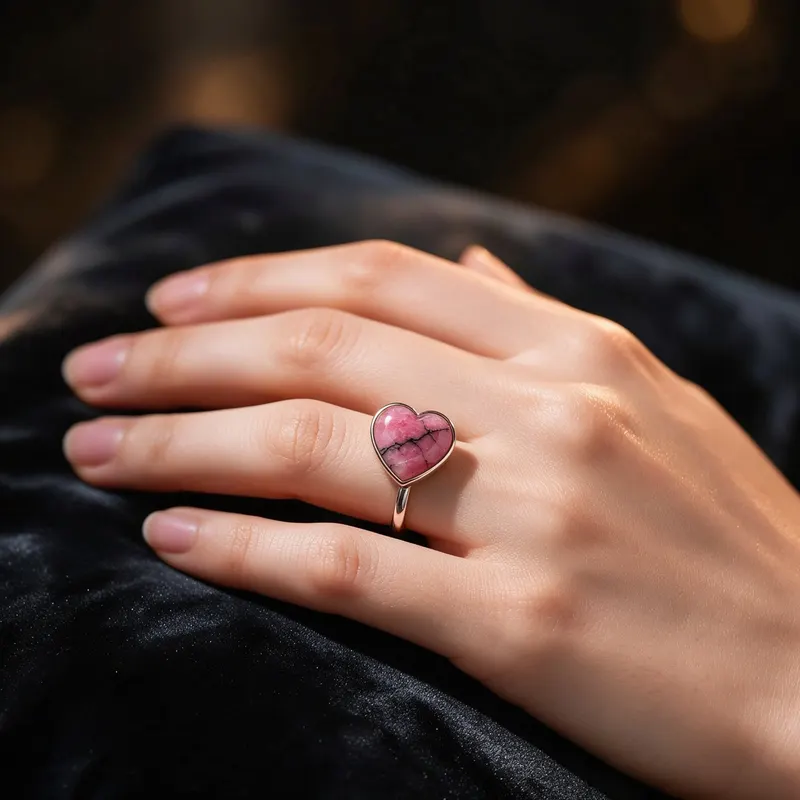
| Self-compassion, softening self-talk | Rose Quartz | Keep it where you'll see it during mirror-time or journaling |
| Focus and follow-through at work | Fluorite, Tiger's Eye | Wear it during deep-work blocks only, so the cue stays sharp |
| Feeling grounded in stressful environments | Black Tourmaline, Obsidian | Carry it in a pocket; hold it before difficult conversations |
| Creative momentum | Carnelian | Keep it on your desk; pick it up when you start a session |
| Clear communication | Aquamarine, Lapis Lazuli | Wear it on days with presentations or hard talks |
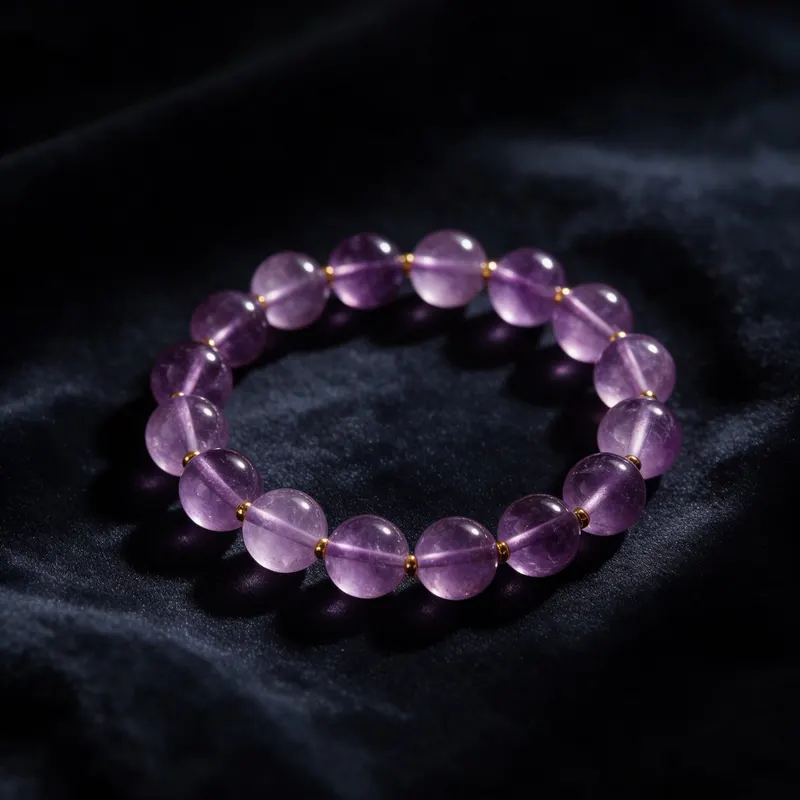
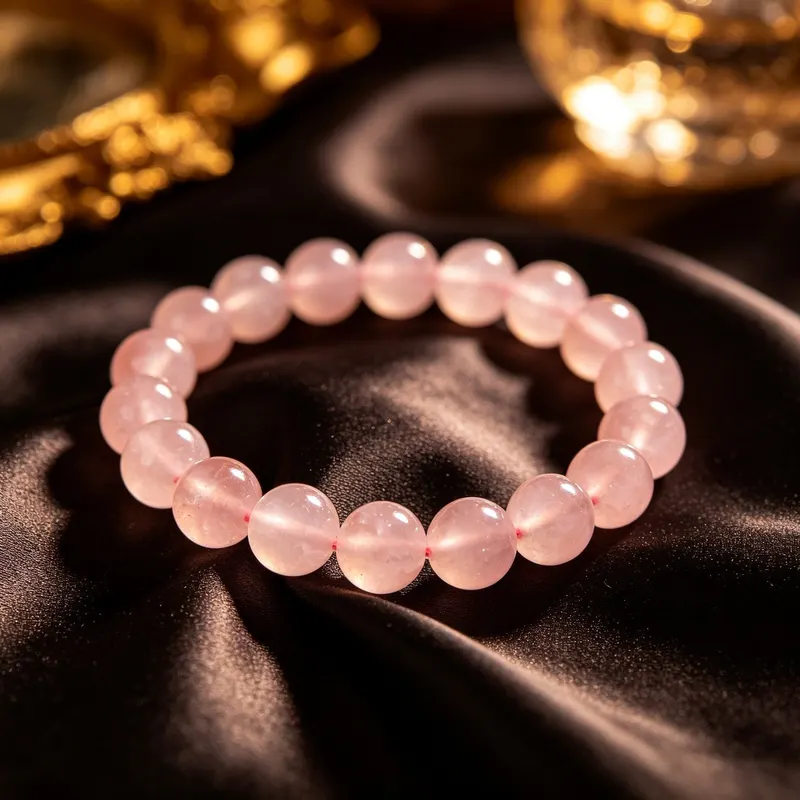
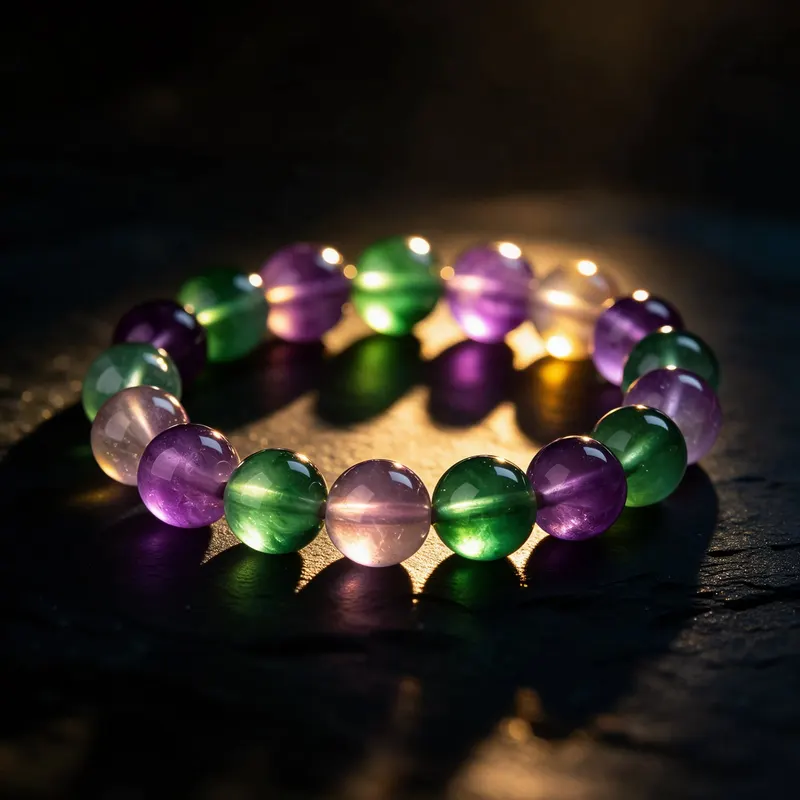
For example, if your honest goal is "I want to stop spiraling at 11 p.m.," the Amethyst Healing Bracelet for Calm & Clarity is a sensible pairing—not because amethyst does anything measurable, but because a consistent evening cue is exactly what a wind-down habit needs. If your goal is "I want to be less hard on myself," the Rose Quartz Love Bracelet for Self-Love & Heart gives you a physical reminder to check the tone of your inner voice.
If you're drawn to a stone you can't quite justify, that's fine too—sometimes the piece you actually wear is the one that works, because consistency beats theory.
Choosing Well: Sizing, Quality, and What to Look For
A crystal you don't wear or don't enjoy holding won't do its job. Practical considerations matter more than people expect.
Sizing
- Bracelets: Measure your wrist snugly with a soft tape, then add roughly half an inch for a comfortable fit. Most beaded bracelets sit around 6.5–7.5 inches; if you're between sizes, size up so the beads don't dig in.
- Necklaces: 16–18 inches sits near the collarbone (good for everyday wear), 20–24 inches sits lower and works better over layers. Check the clasp type—lobster clasps are more secure than spring rings for daily wear.
- Rings: Get sized properly at a jeweler if you can; a ring that's too tight won't get worn, and a ring that spins will distract you.
What to Look For
- Natural variation: Real stones vary in color and pattern. Uniform, plasticky perfection is a red flag for dyed or synthetic material.
- Honest labeling: "Gold-plated" means a thin layer over a base metal, not solid gold. That's fine—just know what you're buying.
- Comfortable weight and finish: Beads should be smoothly polished with no sharp edges or loose string. Check the knot and elastic before you commit.
- Return policy: A reputable seller lets you return a piece that doesn't fit or doesn't feel right.
Realistic Price Expectations
Beaded bracelets in natural stone typically run roughly $20–$60; sterling silver pendants with a genuine stone often land in the $40–$120 range; gold-plated pieces sit somewhere in between. Larger raw specimens and display sets cost more because of size and weight. Be skeptical of anything advertised as rare or "certified" without clear, checkable documentation—and remember that price reflects material and craftsmanship, not spiritual potency.
Tradition vs. evidence: what holds up
It's worth separating two things that often get blurred: what crystal traditions claim, and what can actually be checked. Both deserve respect, but they're different kinds of knowledge.
What tradition says: Amethyst is traditionally associated with calm and clarity; rose quartz with love and self-compassion; black tourmaline with protection and grounding; citrine with abundance and joy; labradorite with intuition. These associations are centuries old in various folk and metaphysical traditions. They are beliefs and cultural practices—not testable claims, and not promises of any outcome.
What we can verify: Hardness, sensitivity to water and sunlight, and care requirements. These are matters of mineralogy and are genuinely useful for keeping your stones looking good.
| Stone | Mohs hardness | Water sensitivity | Sunlight sensitivity | Practical care |
|---|---|---|---|---|
| Clear Quartz | 7 | Generally fine | Low | Wipe with a soft cloth; avoid harsh cleaners |
| Amethyst | 7 | Generally fine | Moderate—color can fade with prolonged direct sun | Store away from a sunny windowsill long-term |
| Rose Quartz | 7 | Generally fine | Moderate | Keep out of extended direct sun; avoid hot water |
| Citrine | 7 | Generally fine | Moderate | Wipe clean; avoid prolonged sun exposure |
| Black Tourmaline | 7–7.5 | Generally fine | Low | Rinse briefly and dry; avoid ultrasonic cleaners |
| Labradorite | 6–6.5 | Generally fine | Low | Handle gently; it can chip at edges |
| Selenite | 2 | Water-soluble—do not soak | Low | Dust with a dry cloth; keep away from moisture |
| Lapis Lazuli | 5–6 | Sensitive—avoid soaking | Low | Wipe with a barely damp cloth; no chemicals |
| Fluorite | 4 | Generally fine | Moderate—color can fade | Handle gently; it scratches easily |
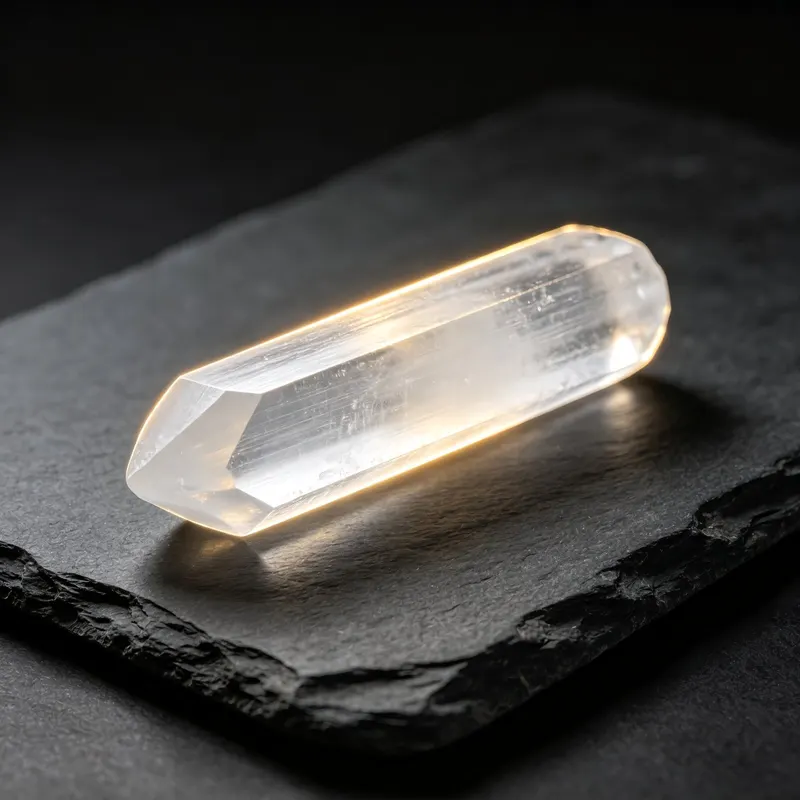
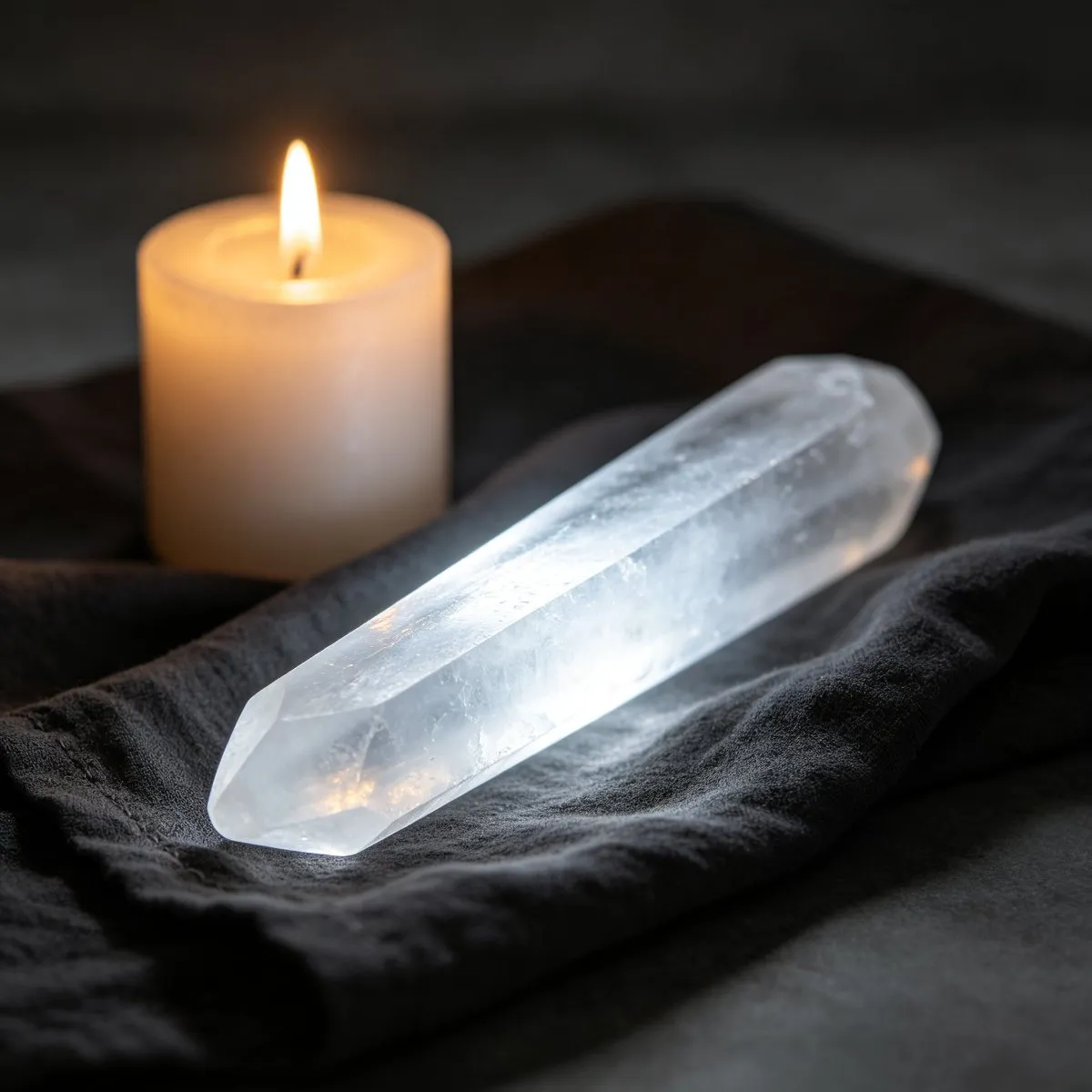
Two practical takeaways: selenite should never be soaked, and softer stones like fluorite and lapis need gentler handling than quartz-family stones. If you use a Selenite Cleansing Wand for Energy Clearing, keep it dry and store it flat—it's one of the softest stones in common use and will scratch or dissolve if mishandled.
Crystals are for reflection and are not medical devices. They are not a substitute for professional medical or mental health care.
FAQ
People Also Ask
How will I feel when a crystal starts working?
Most people describe a quiet sense of calm, focus, or remembrance of their intention rather than a dramatic sensation. Some feel nothing physical at all and simply notice their behavior shifting over a week or two. Both are normal.
Why don't I feel anything from my crystal?
Effect builds through consistent ritual and intention. If nothing shifts after a couple of weeks of honest use, try a different stone matched to a clearer, more specific goal—or check whether the stone is actually part of your daily routine. A crystal in a drawer isn't doing much of anything.
How long should I give it before deciding it's not working?
Two to four weeks is a reasonable window for a habit-based practice. If you've worn or held it consistently and logged honestly and still notice no change in behavior or awareness, that's your answer for that stone. It doesn't mean crystals are useless; it means that pairing wasn't the right cue for you.
Do I need to cleanse my crystal for it to work?
Cleansing is a traditional practice, not a mechanical requirement. Many people find the ritual itself useful—it's a scheduled pause and a reset of intention. If cleansing feels meaningful, do it; if it feels like a chore, a simple wipe-down and a moment of re-commitment is plenty.
Where to Go From Here
The most useful thing you can do is stop asking "is it working?" in the abstract and start asking "what is this stone helping me do?" Pick one intention, one stone, and one small daily ritual. Give it two honest weeks. Then look at your log and trust what it says.
If you're still choosing, start with a stone that matches a goal you actually care about right now—whether that's the Clear Quartz Point Pendant Necklace, Sterling Silver for general clarity, or the Black Tourmaline Protection Bracelet for Grounding for stressful days. Browse the Raw Stones & Sets collection if you'd rather work with pieces you hold during meditation than wear.
And keep reading: How Long Until Crystals Work · How to Set Intentions With Crystals · How to Recharge Crystals.