Start With the Feeling, Not the Stone
You are standing in front of a tray of tumbled stones, or scrolling a shop page late at night, and everything looks beautiful—which is exactly the problem. When every crystal is pretty, "which one should I get?" becomes impossible to answer. Most people solve it by buying too many at once, or by picking whatever a stranger on social media called "lucky." Neither approach gives you a piece you will actually use.
The simpler method is to work backward. Instead of starting with the stone, start with the feeling you want more of in your daily life: steadier mornings, a softer relationship with yourself, a clearer head at work, a sense of being protected when you walk into a room. Name that feeling in one plain sentence, and the stone choice becomes much easier—because most crystals are traditionally associated with a specific emotional or spiritual theme.
This guide walks you through that method step by step, maps common intentions to stones, and explains how to choose, size, cleanse, and care for a piece so it lasts. It also separates what tradition says from what we can actually verify about each stone's physical properties.
Step One: Write Your Intention as One Positive Sentence
Vague intentions produce vague results. "I want to feel better" is a mood; "I want to feel calm when I sit down to meditate in the evening" is an intention you can act on. Try to write yours in the present tense, keep it positive (describe what you want, not what you fear), and keep it to one sentence.
A few examples of well-formed intentions:
- "I want to feel grounded when I start my workday."
- "I want to be kinder to myself when I look in the mirror."
- "I want to speak clearly in meetings without second-guessing myself."
- "I want to feel protected and calm when I travel."
Notice that none of these promise an outcome you can't control. They describe a state you can practice. That is the honest way to use crystals: as a physical reminder of a habit you are already trying to build.
Step Two: Match the Intention to a Stone's Traditional Meaning
Once you have your sentence, look for the core feeling inside it and match that to a stone. The map below covers the most common intentions. These are traditional associations—not guarantees—but they give you a starting point.
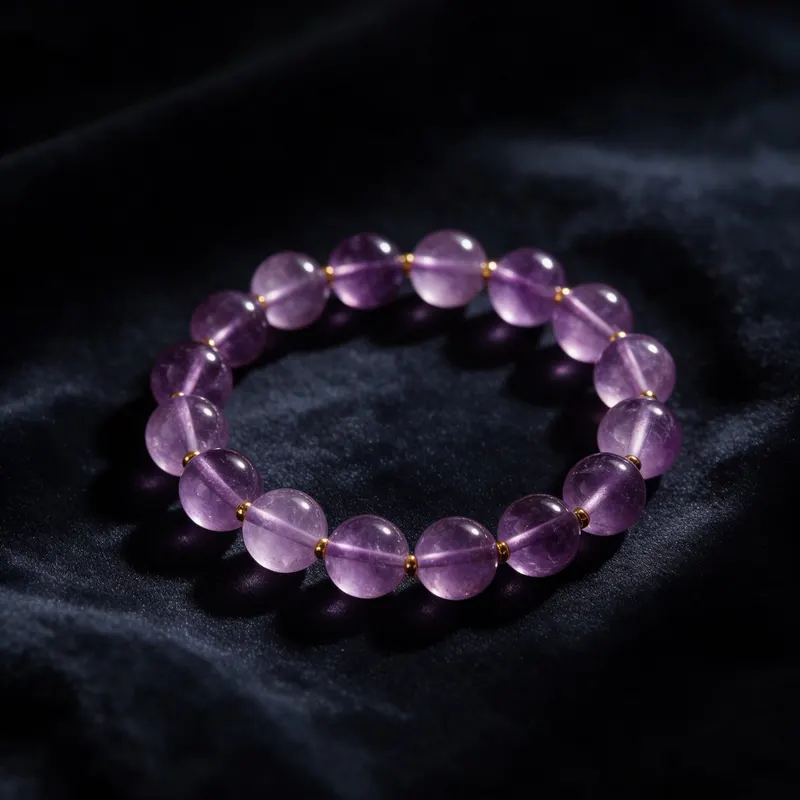
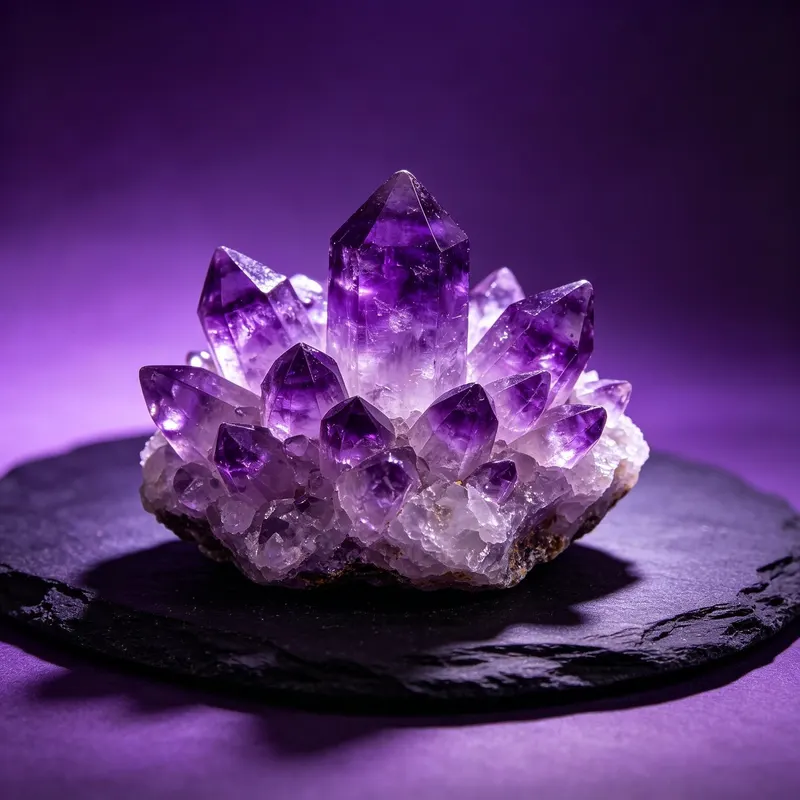
- Calm, sleep, and quiet evenings → amethyst, traditionally associated with calm and clarity. The Amethyst Healing Bracelet for Calm & Clarity is a good everyday piece; a Raw Amethyst Cluster works well on a bedside table or altar.
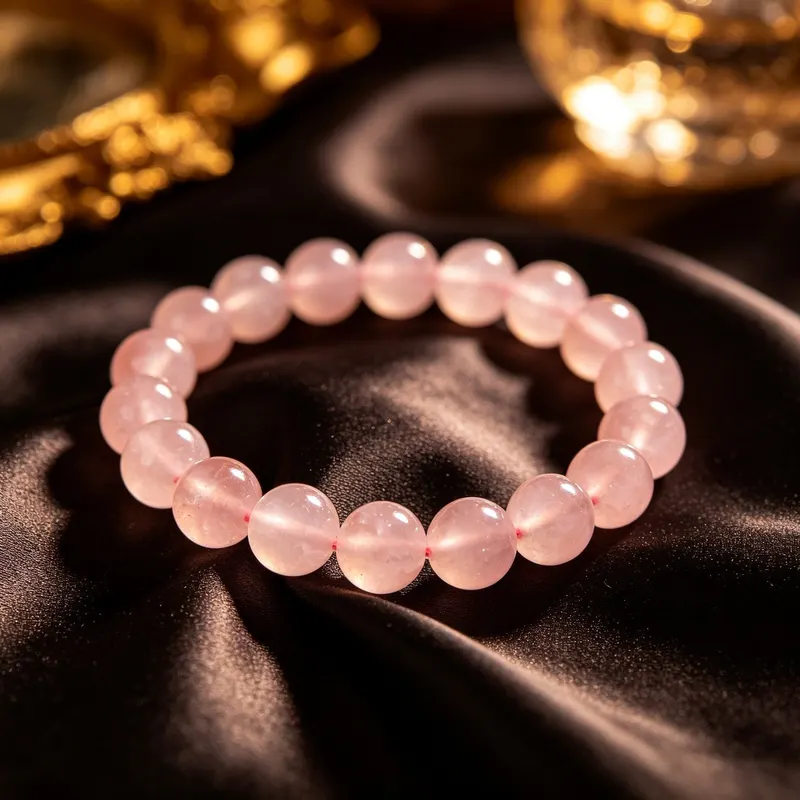
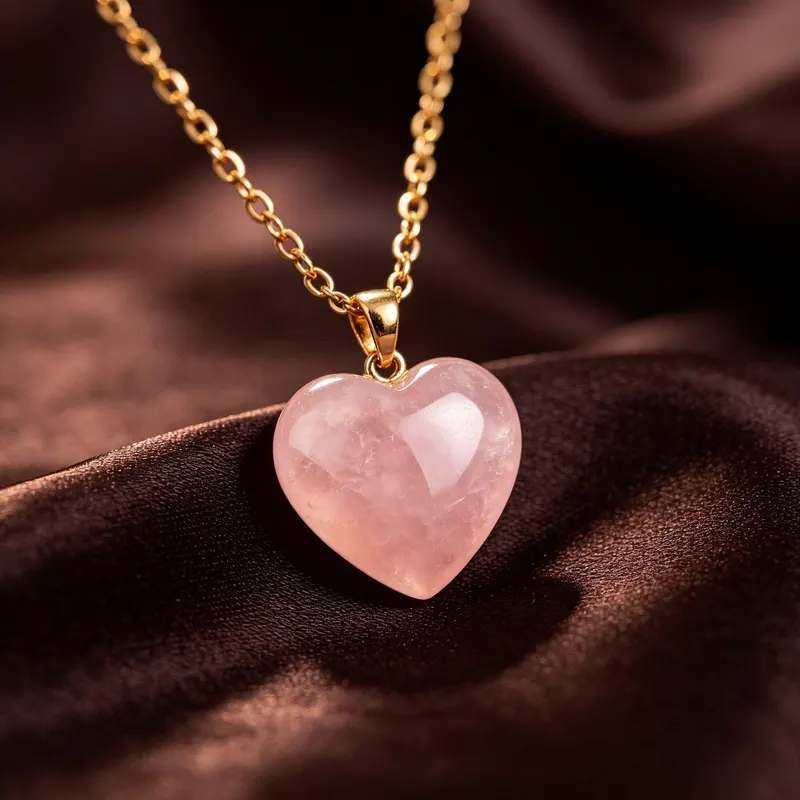
- Love, self-care, and softening → rose quartz, traditionally associated with the heart. The Rose Quartz Love Bracelet is wearable daily; the Rose Quartz Heart Pendant Necklace suits anyone who prefers a necklace.
- Protection and grounding → black tourmaline and black obsidian. The Black Tourmaline Protection Bracelet is the classic choice; the Black Obsidian Teardrop Pendant is a subtler option for people who don't like bracelets.
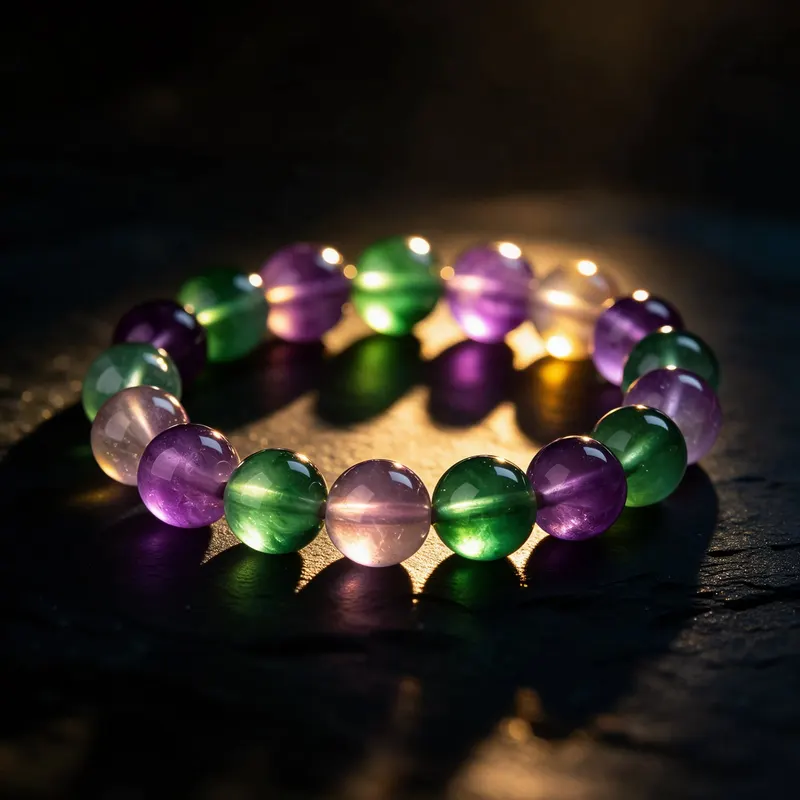
- Focus and concentration → fluorite, traditionally associated with mental clarity. The Rainbow Fluorite Focus Bracelet is a natural fit for a desk or study practice.
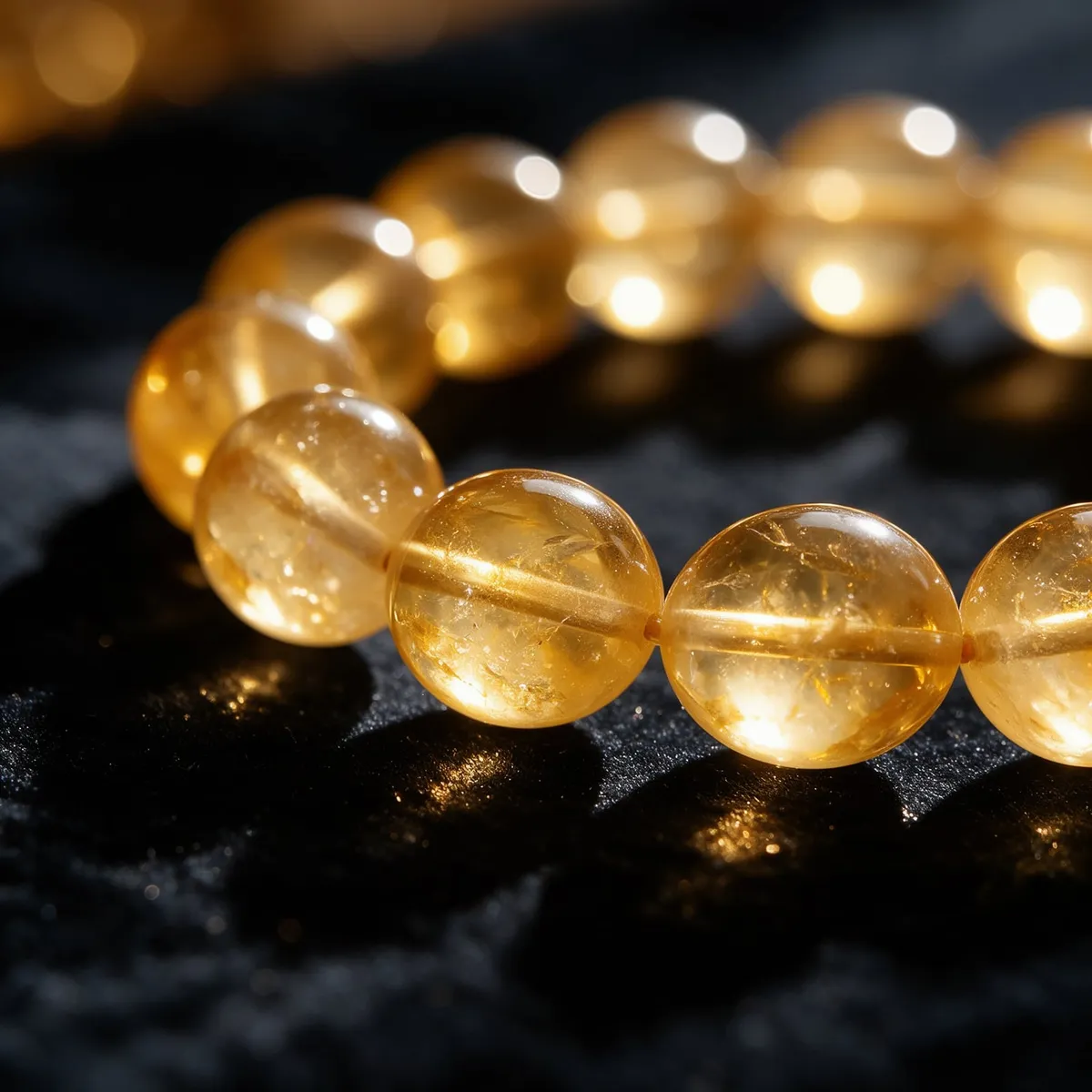
- Abundance and motivation → citrine and carnelian. The Citrine Abundance Bracelet is the most popular; carnelian is a warmer, more energetic option.
- Confidence and courage → tiger's eye, traditionally associated with steady nerve and focus.
- Intuition and new beginnings → labradorite and moonstone.
- Clear communication → aquamarine and lapis lazuli.
- Amplify or "anything" → clear quartz, the traditional all-purpose stone.
If your intention doesn't fit neatly into one category, that's fine—pick the stone whose theme is closest, or start with clear quartz and refine later. For a deeper browse, our color meanings guide offers a second way to narrow the field.
Step Three: Choose the Form That Fits Your Life
The same stone behaves very differently depending on whether it is a bracelet, a pendant, a raw cluster, or a ring. The right form is the one you will actually see and touch every day. Use this checklist to decide:
- Bracelets — best for daily wear and skin contact. Check your wrist size before ordering; most beaded bracelets sit around 6.5–7.5 inches (16.5–19 cm), and a slightly loose fit is more comfortable than a tight one. Measure your wrist with a soft tape and add about half an inch.
- Pendants — best if you dislike things on your wrist or work with your hands. A 16–18 inch chain sits at the collarbone; 20–24 inches hangs lower and is easier to tuck under a shirt.
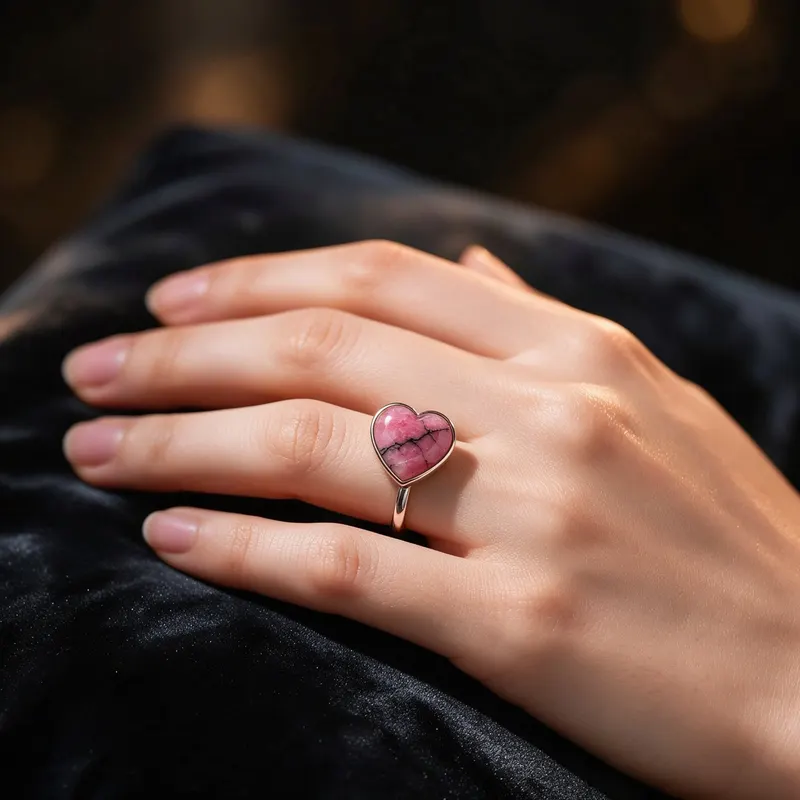
- Rings — best for a single, deliberate reminder. Get sized properly; a ring that pinches will end up in a drawer.
- Raw clusters and display pieces — best for a fixed spot: a bedside table, desk, or meditation corner. They are not meant to travel.
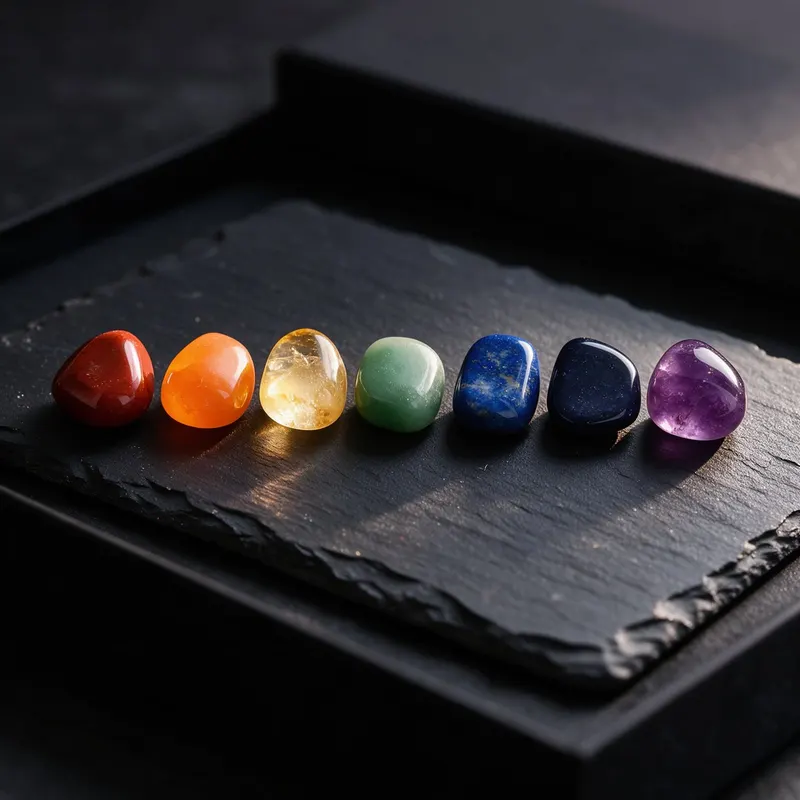
- Starter sets — best if you are genuinely undecided. A Healing Crystal Starter Kit lets you live with several stones before committing to a larger piece.
Intention-to-Stone Comparison Table
Use this table as a quick reference. The "Form to try first" column reflects what most people find easiest to use for that intention.
| Intention | Stone (traditional association) | Form to try first | Notes |
|---|---|---|---|
| Calm and sleep | Amethyst | Bracelet or raw cluster | Cluster suits a bedside table; bracelet suits daily wear. |
| Self-love and heart | Rose quartz | Bracelet or pendant | Soft, wearable, easy to layer. |
| Protection and grounding | Black tourmaline, obsidian | Bracelet or pendant | Good for travel and busy days. |
| Focus | Fluorite | Bracelet | Keep near your desk or study spot. |
| Abundance and motivation | Citrine, carnelian | Bracelet | Warm colors; easy to wear daily. |
| Confidence | Tiger's eye | Bracelet | Traditionally associated with steady nerve. |
| Intuition and new beginnings | Labradorite, moonstone | Bracelet | Both show shifting color in light. |
| Communication | Aquamarine, lapis lazuli | Pendant | Pendants sit near the throat; a natural fit. |
| Amplify / general | Clear quartz | Pendant or point | The traditional "all-purpose" stone. |
Step Four: Cleanse, Charge, and Set the Intention
Once you have your piece, give it a simple ritual so it feels like yours. There is no single correct method—what matters is that you do it deliberately.
- Cleanse gently. A quick rinse in lukewarm water, a few minutes in morning sunlight, or a pass with a Selenite Cleansing Wand are all traditional options. Skip water for stones that are soft or porous (see the section below).
- Hold it and state your sentence. Say your intention out loud once, slowly, while holding the stone. This is the moment the piece becomes a reminder rather than an object.
- Place it where you will see it. A bracelet goes on the wrist you use least, so it doesn't snag. A pendant goes on first thing in the morning. A cluster goes where you sit still—bedside, desk, or meditation cushion.
- Revisit weekly. Once a week, hold the stone and repeat your sentence. This is the actual practice; the stone is just the anchor.
What tradition teaches — and what is provable
Crystal lore is rich, but it is lore. Here is an honest split between what traditions claim and what you can check for yourself with a little care and a Mohs hardness scale.
What tradition says: Amethyst is believed to support calm and clarity; rose quartz is traditionally associated with love and self-care; black tourmaline is believed to support grounding and protection; citrine is traditionally associated with abundance; fluorite is believed to support focus. These are cultural and spiritual associations, offered for reflection—not medical claims.
What we can verify: Each stone has a measurable hardness on the Mohs scale (1 = talc, 10 = diamond), and that number tells you how to care for it.
- Amethyst and clear quartz — Mohs 7. Durable enough for daily wear; rinse with water, but avoid harsh chemicals and prolonged direct sun, which can fade amethyst over time.
- Rose quartz — Mohs 7. Water-safe, but keep it away from prolonged sunlight, which can dull its color.
- Black tourmaline and obsidian — Mohs 7 and 5–5.5 respectively. Tourmaline is tough; obsidian is glass-like and can chip, so store it separately.
- Citrine — Mohs 7. Heat-treated amethyst is common in the trade; sunlight can fade it, so store it out of direct light.
- Fluorite — Mohs 4. Soft. Avoid water and knocks; keep it away from harder stones in a jewelry box.
- Tiger's eye — Mohs 6.5–7. Durable, but avoid ultrasonic cleaners.
- Labradorite and moonstone — Mohs 6–6.5. Both are feldspars and can crack along cleavage lines; avoid sudden temperature changes and hard knocks.
- Aquamarine — Mohs 7.5–8. Hard and water-safe, but avoid prolonged sun.
- Lapis lazuli — Mohs 5–6. Porous and water-sensitive; wipe with a dry or barely damp cloth, never soak.
- Selenite — Mohs 2. Water-soluble. Never rinse it; dust with a dry cloth and keep it dry.
In short: the tradition gives you meaning, and the Mohs scale gives you care instructions. Both are useful, and neither replaces medical advice.
Realistic Price Expectations and What to Look For
Crystal prices vary widely with size, cut, and setting. As a rough guide for US shoppers:
- Beaded bracelets — typically $20–$60 for natural stone on elastic; expect more for sterling silver findings or larger beads.
- Pendants — $30–$90 for a natural stone on a gold-plated or sterling chain; solid gold settings push prices well above that.
- Raw clusters and display pieces — $25–$120 depending on size and color saturation.
- Starter sets — $40–$80 for a curated set of several stones with a guide.
What to look for when buying: consistent color (natural stones vary, but extreme uniformity can signal dyeing), no obvious cracks or chips on wear surfaces, secure settings, and a seller who describes the stone honestly rather than promising outcomes. Ask whether a stone is natural or heat-treated—both are common and neither is a flaw, but you deserve to know.
FAQ
People Also Ask
How do I know which crystal I need?
Name the feeling you want more of—calm, love, focus, protection—and match it to that stone's traditional meaning. If two stones fit, pick the one you would actually wear or see daily.
Can I choose a crystal just because I like its look?
Absolutely. Attraction to a stone's color or feel is a valid, intuitive starting point. Meaning can come later; the piece you love is the piece you will use.
How often should I cleanse my crystal?
There is no fixed rule. Many people cleanse a new piece once, then repeat weekly or whenever it feels "stale." Gentle methods—sunlight, a dry cloth, or a selenite wand—are safest for soft stones.
Can I wear my crystal every day?
Yes, if the stone is hard enough (Mohs 7 or above) and the setting is secure. Soft stones like fluorite and selenite are better kept on a desk or shelf than worn daily.
Keep It Simple
One honest intention, one stone that matches its core feeling, and one place you will see it every day—that is the whole method. You do not need a collection to begin. Start with a single piece, live with it for a few weeks, and let your practice grow from there. If you are still undecided, a starter kit covers the core intentions, and our first crystal guide walks you through the very first purchase.
Crystals are intended for reflection and personal ritual and are not medical devices. They do not diagnose, treat, cure, or prevent any disease.