Why Authenticity Matters
Genuine crystals are mined from the earth; imitations are usually glass, plastic, dyed stones, or man-made composites. A real stone isn't about looking "perfect"—in fact, natural imperfections are often a good sign. Here are eight practical checks you can do before and after you buy.
8 Real-Crystal Checks
- Temperature: real stones feel cool to the touch and take a moment to warm in your hand; glass and plastic warm quickly.
- Natural imperfections: look for tiny inclusions, uneven color, and slight internal fractures—machine-perfect uniformity is a warning sign.
- Bubbles: perfectly round internal bubbles usually indicate glass, not quartz.
- Color consistency: beware of unnaturally vivid, "neon" dye that rubs off or pools in cracks.
- Hardness: quartz-family stones (7 on the Mohs scale) scratch glass; soft plastic and many imitations do not (test a discreet spot).
- Streak & weight: genuine stones often feel denser than expected for their size.
- Price realism: a "clear quartz" the size of a fist for a few dollars is almost certainly not genuine.
- Seller transparency: trustworthy shops name the stone, its origin, and show multiple honest photos.
Commonly Faked Stones
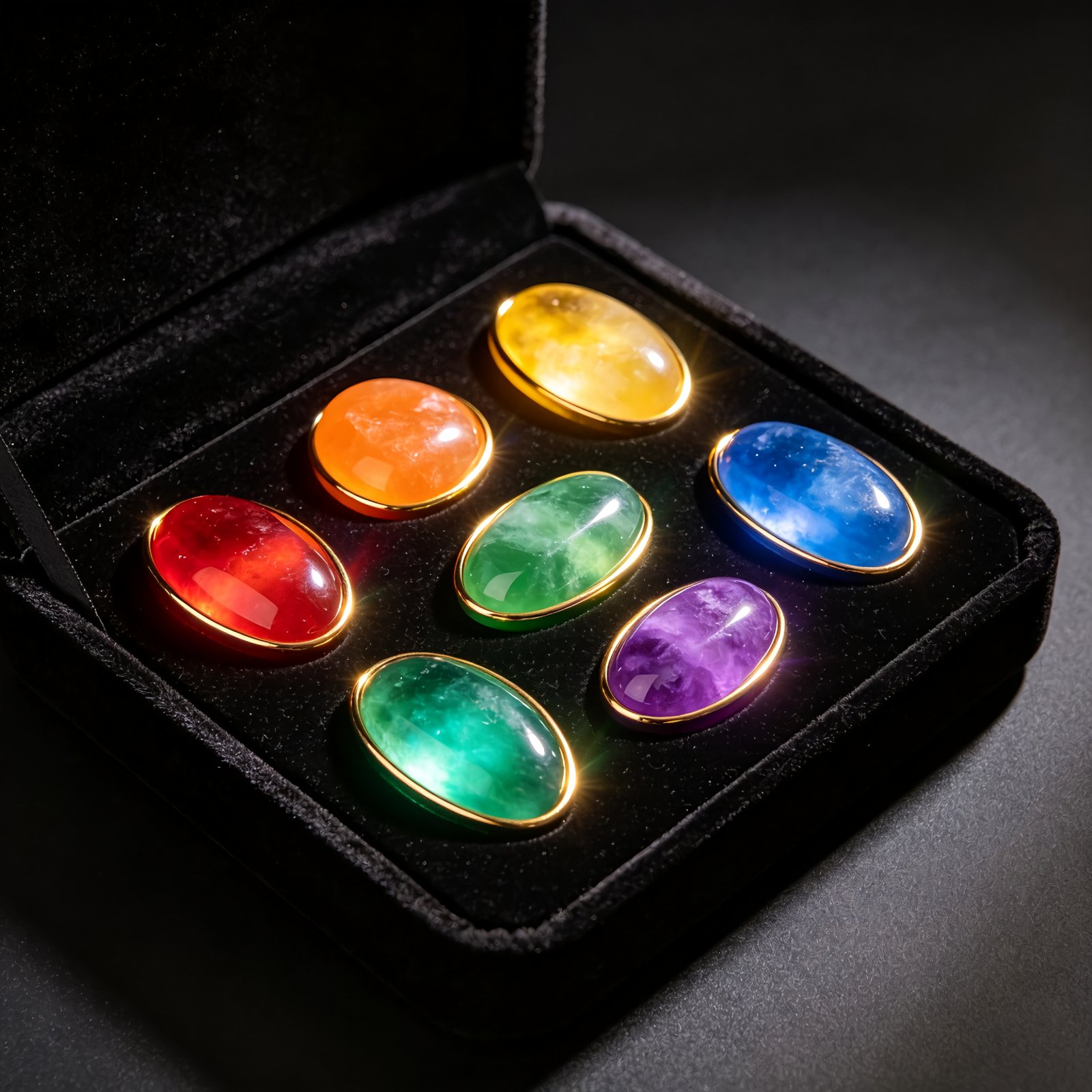
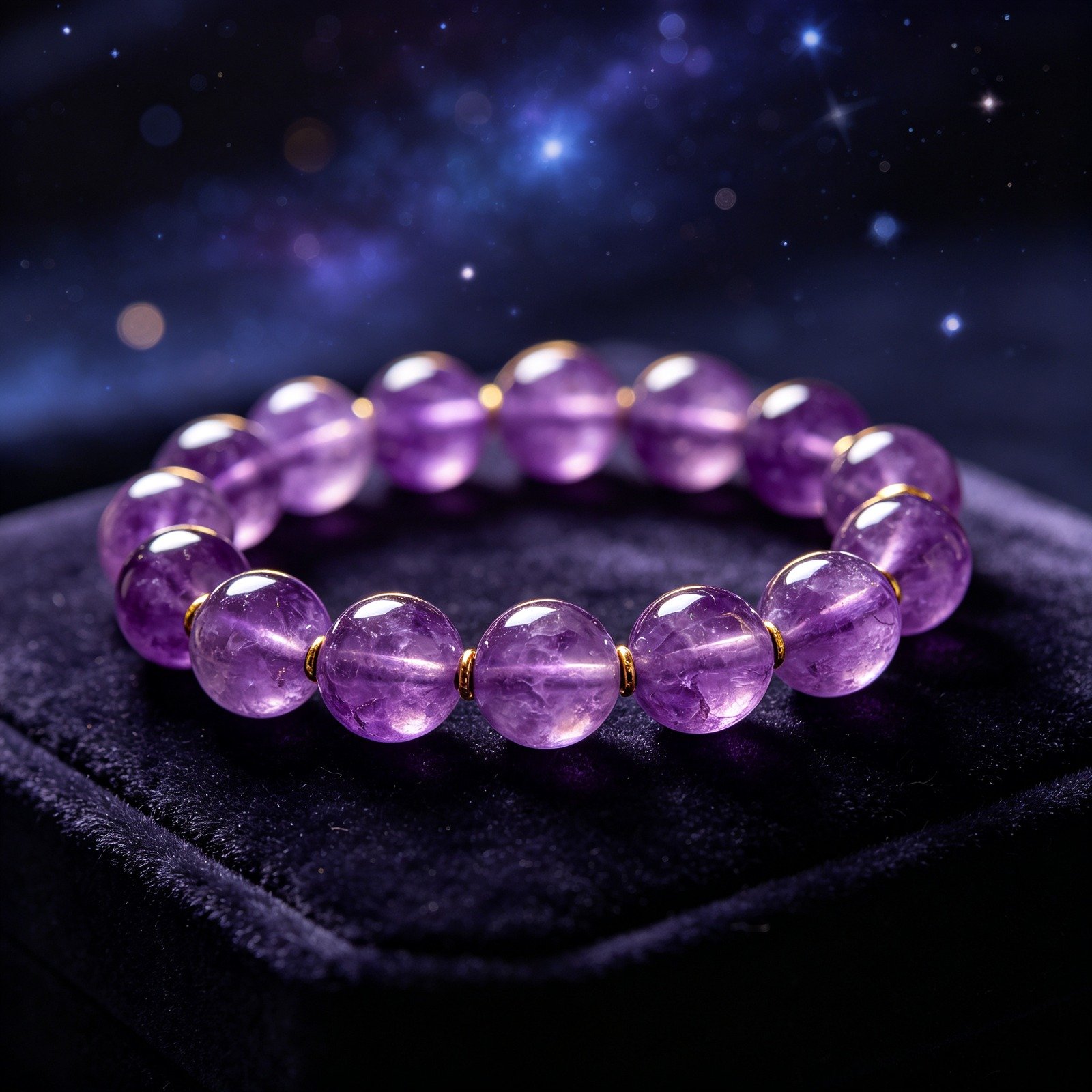
Turquoise, amethyst, citrine, clear quartz, and "seven chakra" mixes are frequently imitated or dyed. Heat-treated and dyed stones still exist naturally, but they should be honestly labeled—and priced accordingly.
Buy From a Source You Can Trust
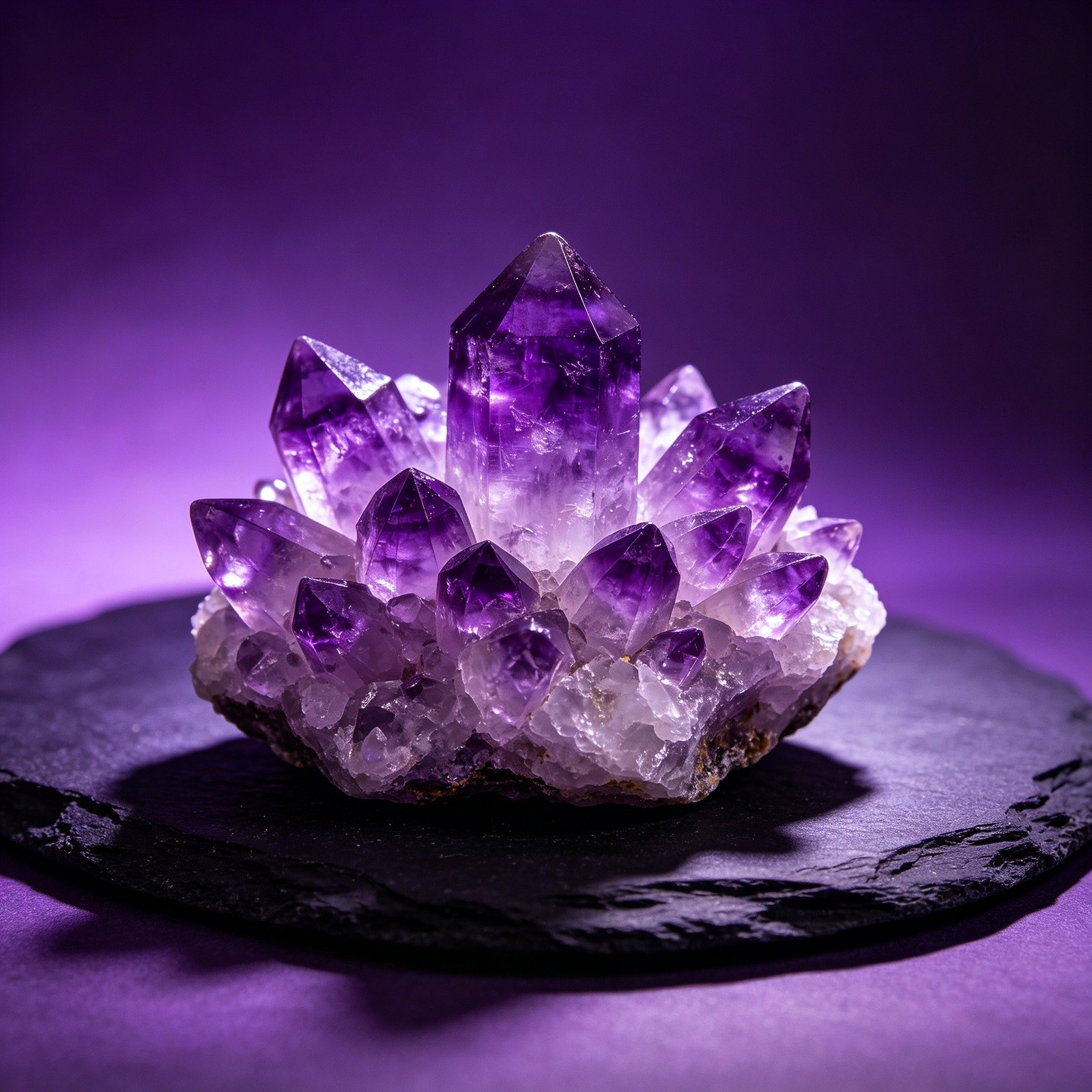
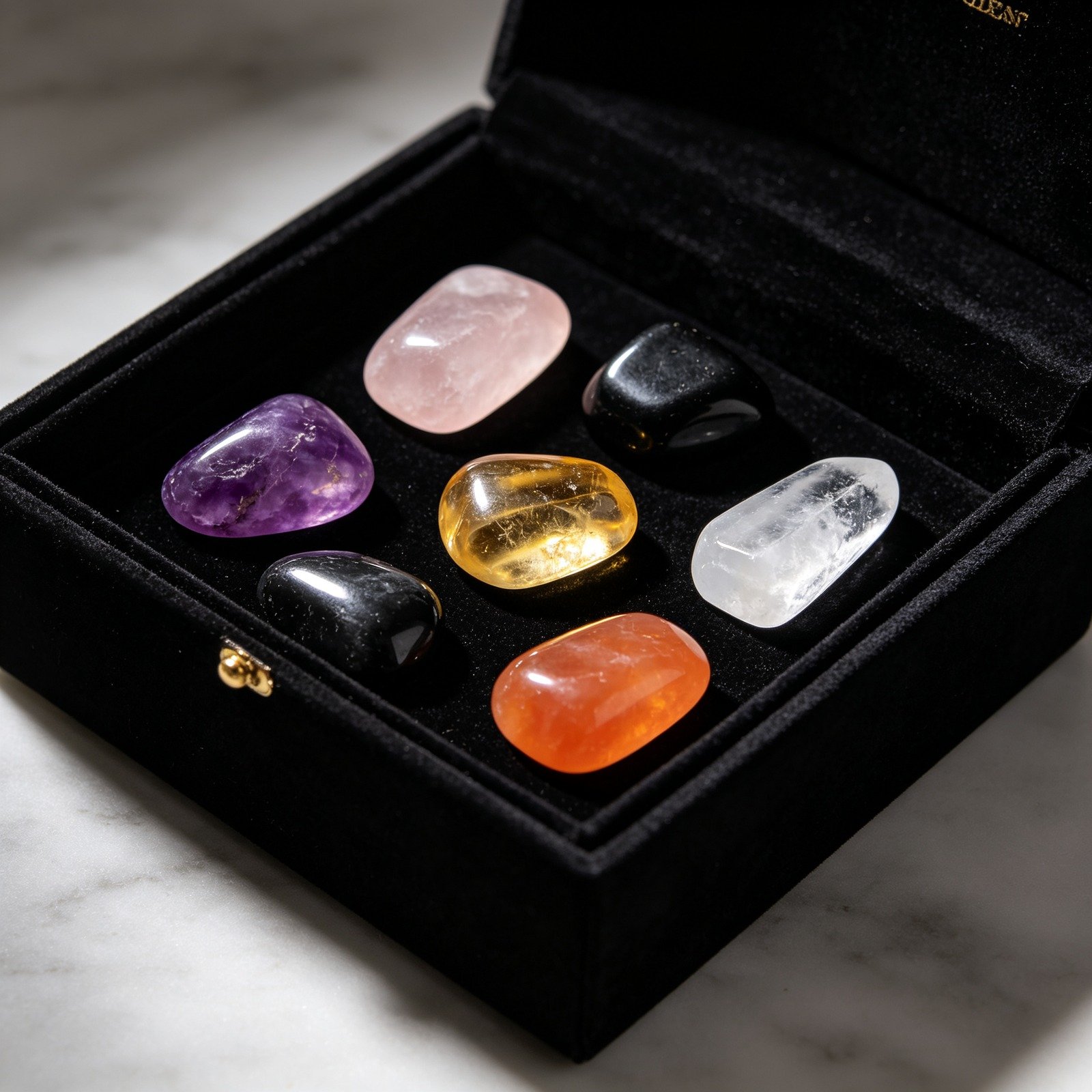
The simplest protection is buying from a seller who guarantees authenticity, describes every stone honestly, and offers returns. Every Luna & Stone piece is hand-selected, clearly described, and backed by a 30-day happiness guarantee—compare a genuine raw amethyst cluster, a curated starter kit, or a seven-chakra set to see natural variation for yourself.
What "Treated" Really Means
Heat treatment and dyeing are common and legitimate when disclosed—they don't make a mineral "fake," just enhanced. Ask before buying, and learn how form affects value in our raw vs tumbled guide. New to all of this? Start with choosing your first crystal and the crystal shapes guide.
FAQ
People Also Ask
How can I test my crystal at home?
Check that it feels cool, shows natural inclusions rather than perfect bubbles, and—for quartz-family stones—can scratch glass at a discreet spot.
Are dyed crystals fake?
Dyeing enhances a real stone; it is legitimate when disclosed. Undisclosed dye passed off as natural color is misleading.
Why is my crystal so cheap?
Unnaturally low prices for large, flawless pieces often signal glass, plastic, or composite imitations.
Shop the Stones
Keep Exploring
Raw vs Tumbled Crystals · Crystal Shapes & Meanings · Choose Your First Crystal
Crystals are intended to support personal and spiritual well-being and are not medical devices. They do not diagnose, treat, cure, or prevent any disease. If you are struggling with your mental or physical health, please reach out to a qualified professional.