Why Authenticity Matters
You found a bracelet you love—maybe a strand of deep purple amethyst or a "clear quartz" pendant at a price that seems almost too good—and now you're wondering whether it's real. That's a smart instinct. The crystal market is largely unregulated, and the same stone name can describe a genuine mined mineral, a dyed and heat-treated version of it, or a piece of glass that was simply given a pretty label.
Genuine crystals are mined from the earth. Imitations are usually glass, plastic, dyed stones, or man-made composites—and some of them are convincing in photos. The good news is that you don't need a lab to make a reasonable judgment. A handful of practical checks, done before and after you buy, will filter out most fakes and help you recognize honest natural variation when you see it.
One reframe before we start: real stones are rarely "perfect." Natural imperfections—tiny inclusions, uneven color, a faint internal fracture—are often a good sign, not a flaw. The goal isn't to find a flawless stone. It's to know what you're actually buying.
The 8 Real-Crystal Checks
Work through these in order. The first few you can do in seconds at a shop or at home; the later ones require a little more care or a conversation with the seller.
1. Temperature
Real stones feel noticeably cool to the touch and take a moment to warm in your hand. Glass and plastic warm quickly and feel neutral almost immediately. This is a useful first impression, not a verdict—room temperature and stone size both affect how cold something feels.
2. Natural imperfections
Look for tiny inclusions, slightly uneven color, and faint internal fractures. Machine-perfect uniformity across a whole strand—every bead identical in tone and pattern—is a warning sign. Compare several pieces of the same stone; genuine material varies from piece to piece.
3. Bubbles
Perfectly round internal bubbles usually indicate glass, not quartz. Natural inclusions tend to be irregular—wisps, veils, needles, or cloudy patches. If you see a cluster of tiny spherical bubbles under good light, be skeptical.
4. Color consistency
Beware of unnaturally vivid, "neon" color, especially in stones that are rarely that saturated in nature. Dye also tends to pool in cracks and around drill holes, so check those areas closely. If color rubs off on a damp white cloth, it's dyed.
5. Hardness
Quartz-family stones (hardness 7 on the Mohs scale) can scratch glass; soft plastic and many imitations cannot. Test a discreet spot—the base of a cluster or an edge you won't see—and press firmly but gently. A scratch on the glass is a positive sign; a scratch on the stone is not. Skip this test on finished jewelry, where you risk damaging a setting.
6. Streak and weight
Genuine stones often feel denser than expected for their size—a small piece can have surprising heft. A stone that feels oddly light for its volume may be glass, resin, or a hollow composite.
7. Price realism
A "clear quartz" the size of a fist for a few dollars is almost certainly not genuine. Very low prices on large, flawless pieces are one of the most reliable red flags in the market. Realistic pricing depends on the stone, size, clarity, and cut—more on that below.
8. Seller transparency
Trustworthy shops name the stone, disclose treatments, and show multiple honest photos—including the natural variation between pieces. A seller who can't tell you whether a stone is dyed, heat-treated, or lab-grown is a seller to approach with caution.
Quick Comparison: What Each Check Tells You
No single check is conclusive. Use this table to interpret what you're seeing and to know when to dig deeper.
| Check | What a genuine stone shows | What a fake often shows | Reliability |
|---|---|---|---|
| Temperature | Cool at first touch, warms slowly | Warms almost instantly | Low—supporting clue only |
| Imperfections | Inclusions, uneven color, faint fractures | Uniform, machine-perfect | High |
| Bubbles | Irregular wisps and veils | Round, spherical bubbles | High for glass detection |
| Color | Natural saturation, even distribution | Neon tones, dye pooled in cracks | Medium—dye can be disclosed |
| Hardness | Quartz scratches glass (Mohs 7) | Soft imitations do not | Medium—test discreetly |
| Weight | Denser than expected | Light for its size | Low to medium |
| Price | Consistent with stone, size, clarity | Far below market for flawless pieces | High as a red flag |
| Seller disclosure | Names stone, origin, treatments | Vague or evasive | Highest overall |
Commonly Faked Stones—and What to Look For
Some stones are imitated far more often than others. Knowing the usual suspects helps you ask better questions.
- Amethyst: frequently mimicked with dyed quartz or glass. Look for uneven purple zoning and natural inclusions rather than a flat, uniform violet.
- Citrine: much of the market is heat-treated amethyst, which is legitimate when disclosed. Natural citrine tends to be paler and more golden than the deep orange-brown of treated material.
- Clear quartz: glass is the classic substitute. Check for round bubbles and the cool-touch, weight, and scratch tests.
- Turquoise: often reconstituted or dyed howlite. Natural turquoise usually shows matrix veining and slight color variation.
- "Seven chakra" mixes: because these sets combine several stones, one or two pieces may be dyed or substituted. Ask for a stone-by-stone description.
Heat-treated and dyed stones still start with real mineral—but they should be honestly labeled and priced accordingly. Disclosure is the line between an enhancement and a misrepresentation.
Traditional beliefs vs. verifiable facts
Crystal lore is rich, and it's worth separating what people have long believed from what you can actually test. Both have value—they just answer different questions.
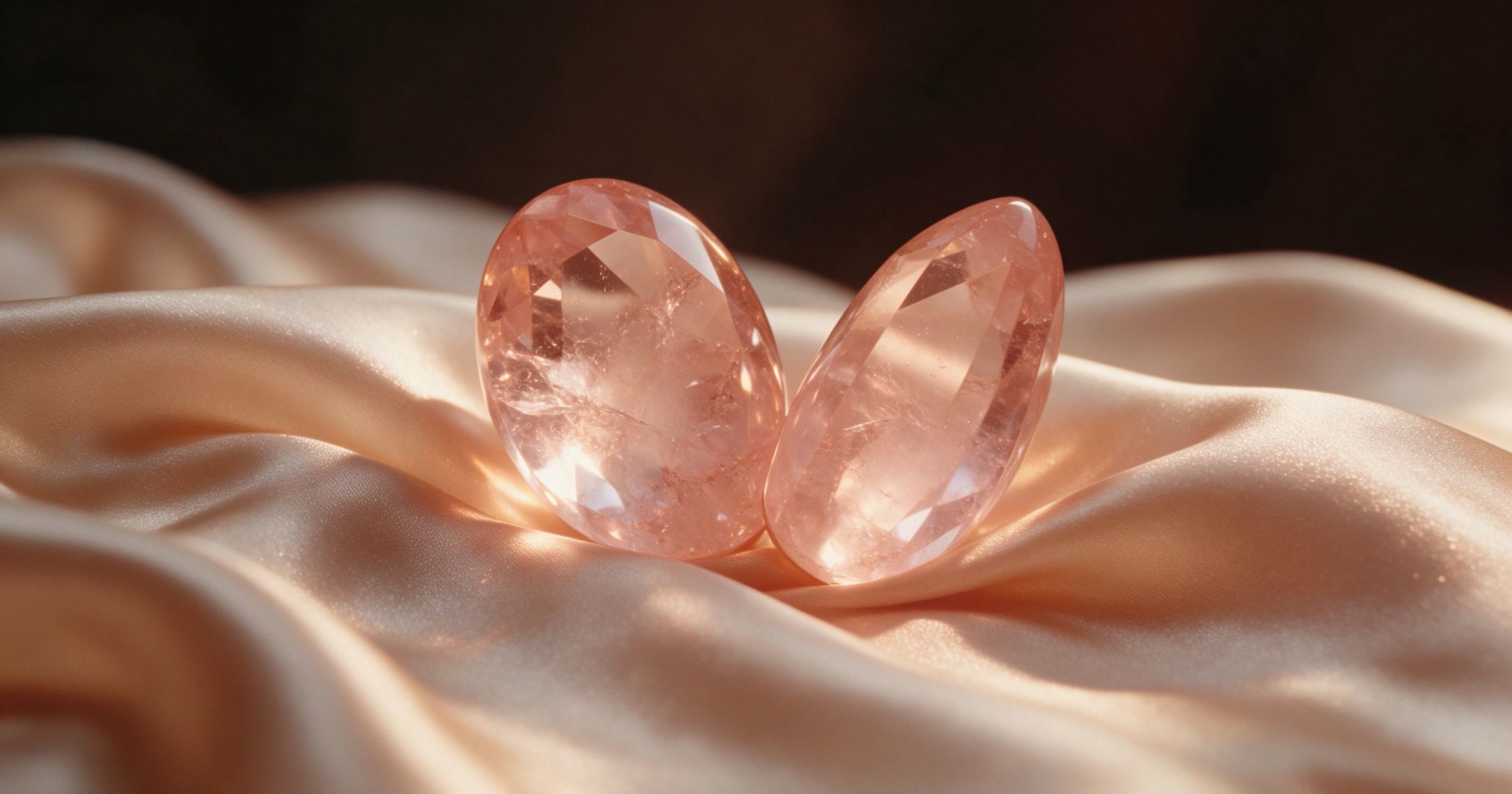
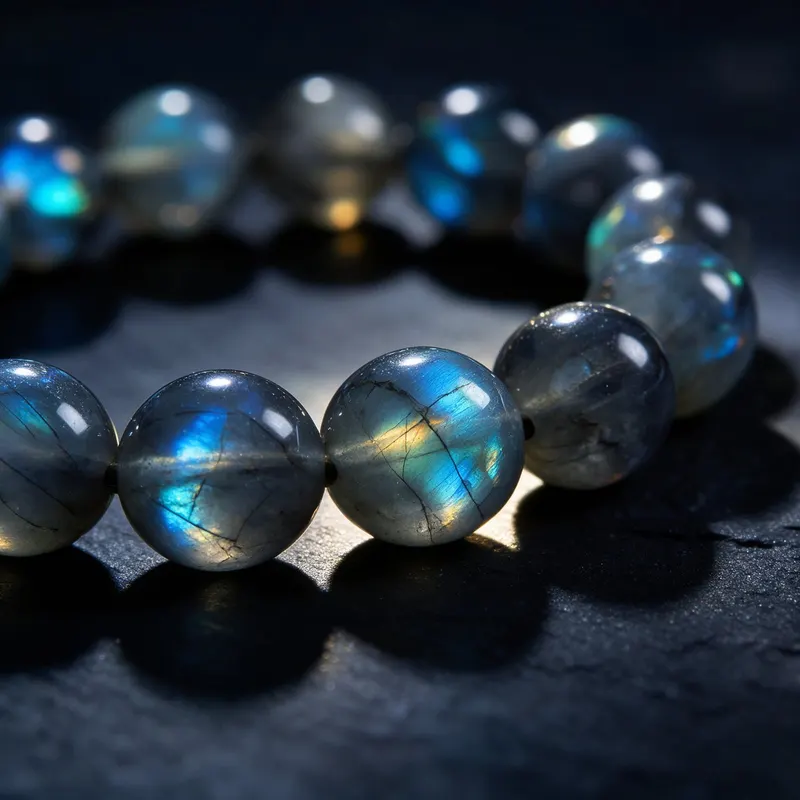
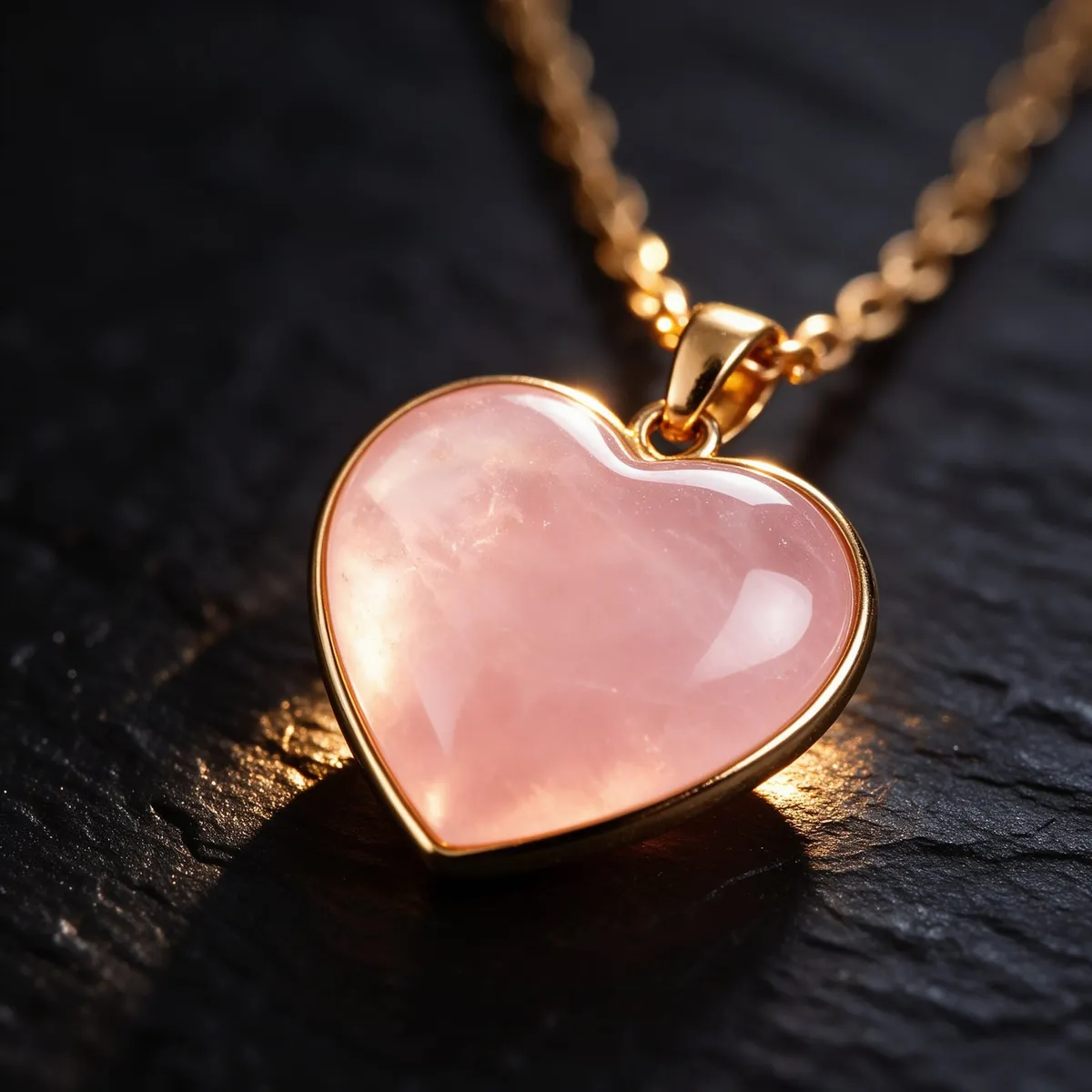
Traditional associations. Across many traditions, stones are linked to qualities rather than outcomes. Amethyst is traditionally associated with calm and clarity; rose quartz with self-love and the heart; black tourmaline with grounding and protection; citrine with abundance and joy; labradorite with intuition. These are symbolic and reflective frameworks—invitations to set an intention, not promises of results. A crystal may support a personal practice; it does not guarantee love, wealth, health, or exam results.
What we can verify. Hardness, water sensitivity, and light sensitivity are measurable facts that directly affect how you care for a stone.
- Hardness (Mohs): quartz-family stones are 7 and can scratch glass; softer stones like fluorite (4) and selenite (about 2) scratch easily and should be stored separately.
- Water sensitivity: selenite and halite dissolve or degrade in water; porous or dyed stones can fade or bleed. Keep these dry.
- Sunlight sensitivity: amethyst, rose quartz, and other colored stones can fade with prolonged direct sun. Display them in indirect light.
- Heat and chemicals: avoid hot water, ultrasonic cleaners, and household chemicals on porous or treated stones; a soft dry cloth is usually enough.
In short: use tradition for meaning and measurable mineralogy for care. Neither one requires you to accept a claim you can't check.
How to Choose—and What to Pay
Once you know how to spot a fake, the next question is how to choose well and what a fair price looks like. A few practical guidelines:
- Start with one stone you're drawn to rather than a large set. A single piece you'll actually wear or use beats a drawer of forgotten stones.
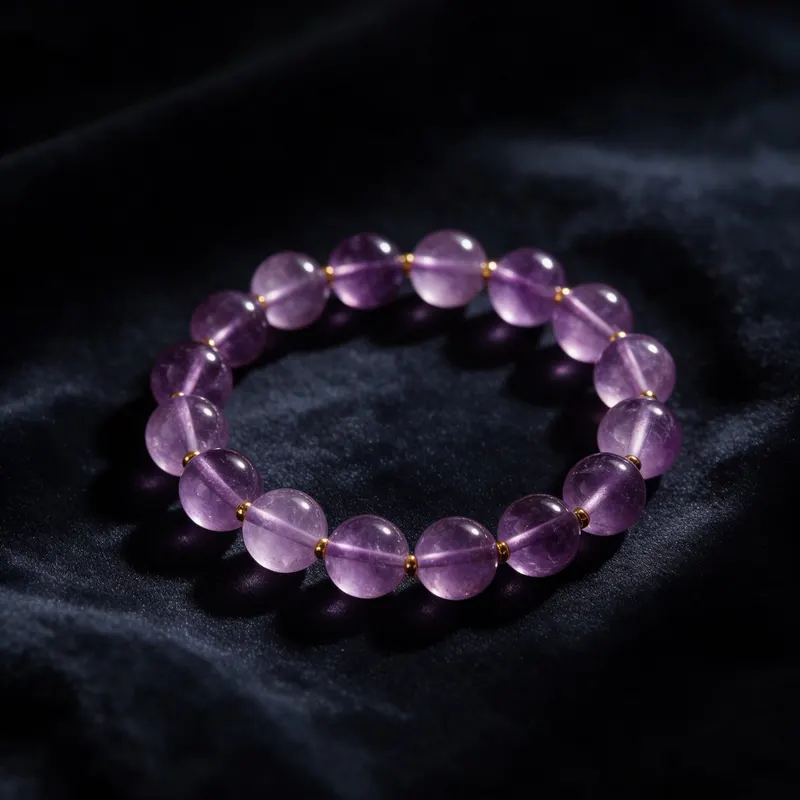
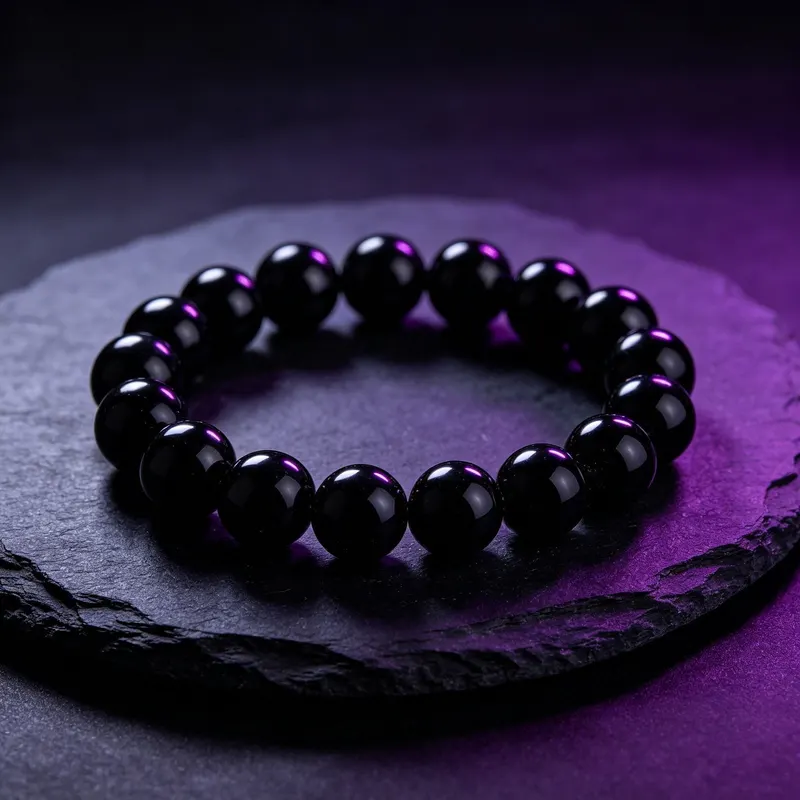
- Match the stone to your intention, not to a trend. If you want calm, an amethyst healing bracelet for calm and clarity is a natural starting point; if you want grounding, consider a black tourmaline protection bracelet.
- Check sizing for wearables. Bracelets are usually sold in a range (commonly around 6.5–7.5 inches for elastic strands); measure your wrist and add about half an inch for comfort. Rings should be sized to your actual finger—heart-style rings run true to standard sizing.
- Read the description for treatments. "Heat-treated," "dyed," and "lab-grown" are fine words to see—as long as they're there.
- Expect realistic prices. Small tumbled stones often run a few dollars; beaded bracelets typically range from roughly $20 to $60 depending on the stone and bead size; larger raw clusters and pendants cost more. A flawless, fist-sized "clear quartz" for pocket change is a red flag, not a bargain.
- Buy from sellers with returns. A no-questions return policy is the simplest protection against a mislabeled stone.
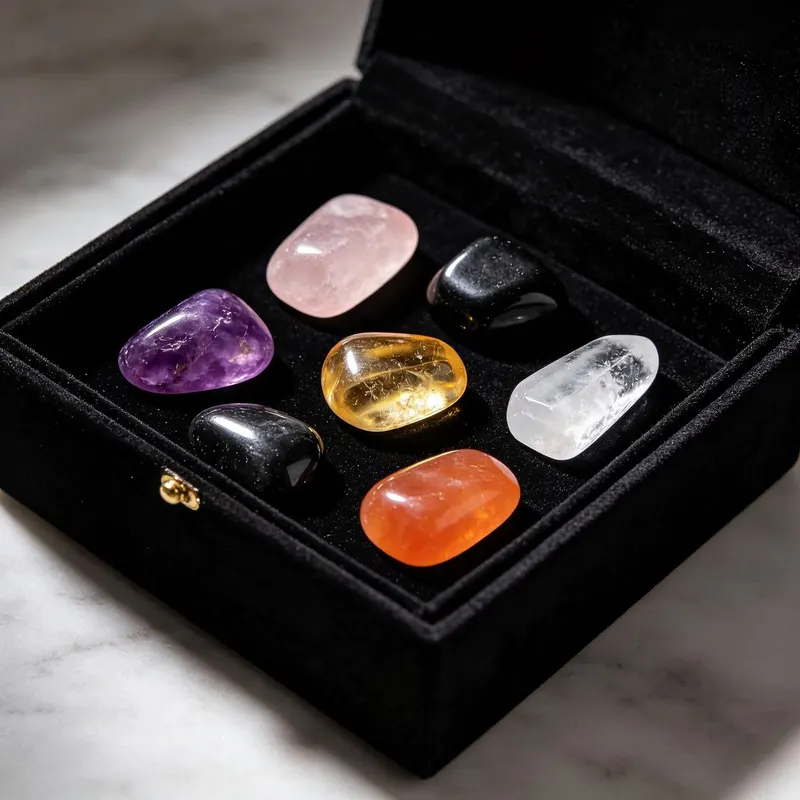
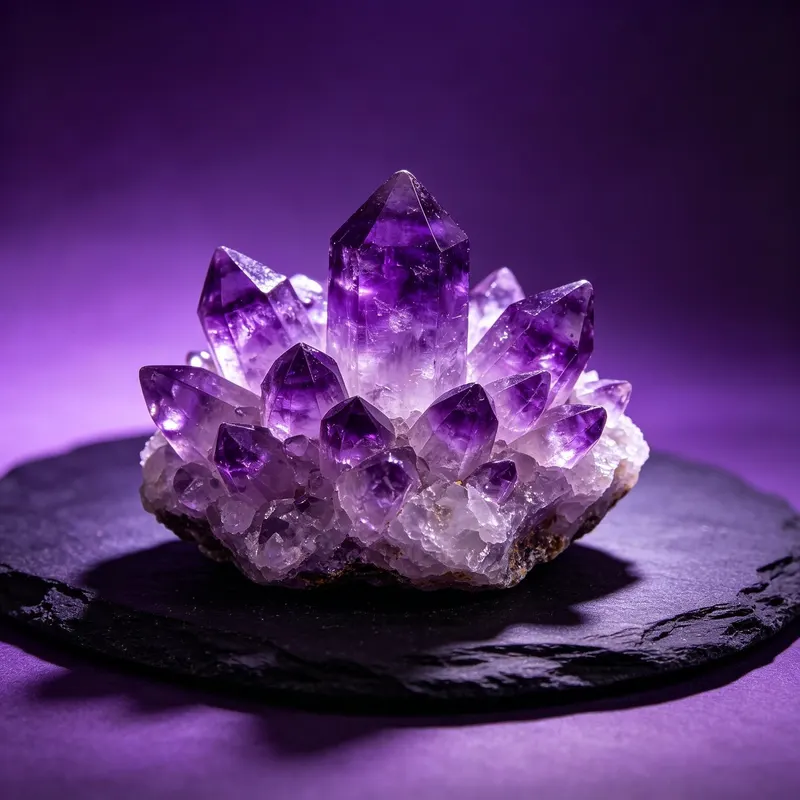
If you're building a practice, a healing crystal starter kit lets you compare seven stones side by side—useful for learning to recognize natural variation. For display or meditation, a raw amethyst cluster shows the irregular growth patterns that are hard to fake. And if you want a full set, a seven-chakra stone set with a wooden display box is a good way to see how different stones look and feel together.
Care and Storage Checklist
- Store softer stones (selenite, fluorite) separately from quartz to avoid scratches.
- Keep water-sensitive stones dry; wipe with a soft cloth instead of soaking.
- Display colored stones in indirect light to slow fading.
- Avoid hot water, harsh cleaners, and ultrasonic baths on porous or treated pieces.
- Cleanse and recharge according to your own practice—there's no single "correct" method, and gentle is always safer than abrasive.
FAQ
People Also Ask
How can I test my crystal at home?
Check that it feels cool, look for natural inclusions rather than perfectly round bubbles, and—for quartz-family stones only—try a discreet scratch test on glass. When in doubt, ask the seller about treatments and origin.
Are dyed crystals fake?
Dyeing enhances a real stone; it's legitimate when disclosed. Undisclosed dye passed off as natural color is misleading. Check cracks and drill holes for pooled color, and test with a damp white cloth.
Why is my crystal so cheap?
Unnaturally low prices for large, flawless pieces often signal glass, plastic, or composite imitations. Some stones are genuinely affordable—small tumbled pieces especially—so compare like for like before assuming the worst.
Does a "perfect" crystal mean it's fake?
Not always, but flawless uniformity is uncommon in nature and worth questioning. Natural stones usually show some variation; a piece that looks identical to every other one on the shelf deserves a closer look.
Buy With Confidence
The simplest protection is a seller who describes every stone honestly, discloses treatments, and offers returns. Compare a few pieces side by side, ask about origin, and let natural variation be your guide. Learn more in our guides to raw vs tumbled crystals, crystal shapes and meanings, and choosing your first crystal.
Crystals are intended for reflection and personal well-being and are not medical devices. They do not diagnose, treat, cure, or prevent any disease. If you're struggling with your mental or physical health, please reach out to a qualified professional.