Understanding the Chakra System
The chakra system comes from ancient Indian spiritual traditions and describes seven energy centers arranged along the spine, from the base to the crown of the head. Each center is traditionally associated with a color, a set of themes (security, creativity, will, love, expression, intuition, connection), and a group of crystals whose colors and qualities are believed to resonate with it. The idea is not that a stone "fixes" a chakra, but that working with color, intention, and ritual can invite you to notice where you feel steady and where you feel stuck.
If you have ever stood in a crystal shop holding a rose quartz heart and a black tourmaline tower, unsure which one you actually needed, you are in good company. Most people come to chakra work through a specific feeling — scattered focus, a tight chest, trouble speaking up, or a vague sense of being disconnected — and want a simple, tangible way to engage with it. Crystals give that tangibility: something to hold, wear, or place on an altar while you reflect.
This guide maps each of the seven chakras to crystals you can actually find and use, explains how to choose and care for them, and separates traditional lore from what we can verify about the stones themselves. Treat it as a practical starting point, not a prescription.
The Seven Chakras and Their Crystals at a Glance
Here is the full map in one table. Colors refer to the traditional chakra color, and the crystal column lists stones commonly associated with each center in modern crystal practice.
| Chakra | Location | Traditional Color | Themes (traditionally associated with) | Common Crystals |
|---|---|---|---|---|
| Root (Muladhara) | Base of spine | Red | Security, grounding, stability | Black Tourmaline, Red Jasper, Hematite, Smoky Quartz, Obsidian |
| Sacral (Svadhisthana) | Below the navel | Orange | Creativity, emotion, pleasure | Carnelian, Orange Calcite, Tiger's Eye |
| Solar Plexus (Manipura) | Upper abdomen | Yellow | Confidence, will, personal power | Citrine, Yellow Jasper, Pyrite |
| Heart (Anahata) | Center of chest | Green / Pink | Love, compassion, forgiveness | Rose Quartz, Green Aventurine, Rhodonite |
| Throat (Vishuddha) | Throat | Blue | Communication, truth, expression | Aquamarine, Lapis Lazuli, Blue Lace Agate |
| Third Eye (Ajna) | Between the eyebrows | Indigo | Intuition, insight, focus | Amethyst, Labradorite, Fluorite |
| Crown (Sahasrara) | Top of head | Violet / White | Spiritual connection, clarity | Clear Quartz, Selenite, Amethyst |
1. Root Chakra (Muladhara) — Red
Located at the base of the spine, the root chakra is traditionally associated with security, survival, and the feeling of being safely planted in your body and your life. When people describe feeling "ungrounded" — scattered, anxious, or knocked off balance by change — root-chakra work is where many practitioners start. Crystals: Black Tourmaline, Red Jasper, Hematite, Smoky Quartz, Obsidian.
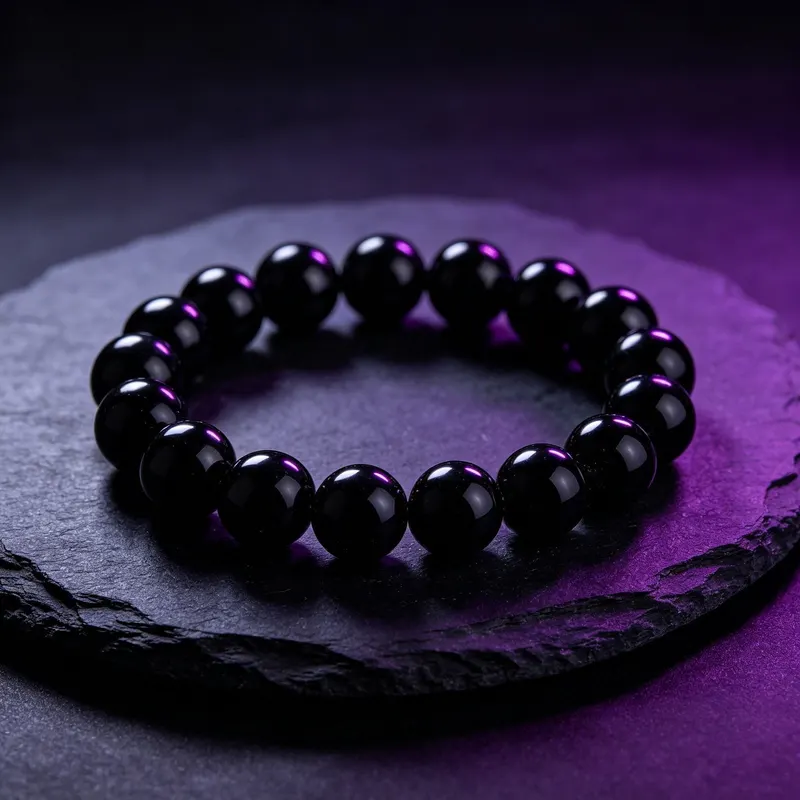
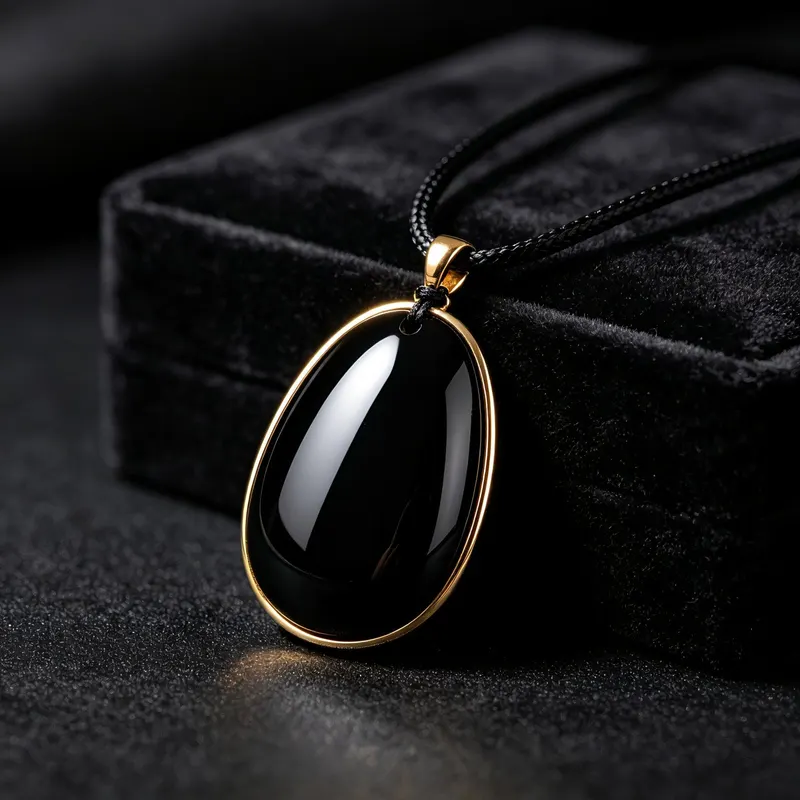
For daily wear, a grounding stone at the wrist or near the body is the simplest approach. The Black Tourmaline Protection Bracelet for Grounding is a practical choice because black tourmaline is a durable, opaque stone that holds up well to everyday handling. If you prefer a pendant, the Black Obsidian Teardrop Protection Pendant Necklace sits close to the chest and is easy to wear under a shirt. A simple ritual: hold the stone in your left hand for a minute before a stressful meeting or commute, and take three slow breaths while noticing the weight of it.
2. Sacral Chakra (Svadhisthana) — Orange
Located below the navel, the sacral chakra is traditionally associated with creativity, emotion, and the free flow of feeling. Crystals: Carnelian, Orange Calcite, Tiger's Eye.
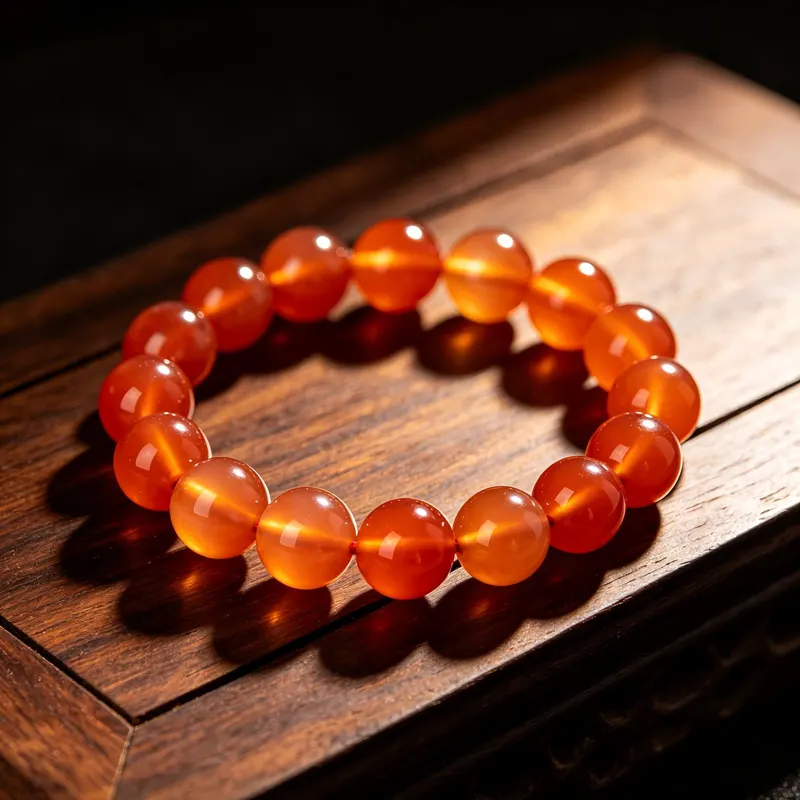
Carnelian is the classic sacral stone — a warm, translucent orange that is easy to find in bracelets and tumbled pieces. The Carnelian Creativity Bracelet for Motivation & Fire is a good fit if you want a stone to reach for when starting a project or pushing through a creative block. Tiger's Eye, with its chatoyant bands, is often used for both sacral and solar plexus work and is a popular choice for people who want one stone that covers confidence and momentum.
3. Solar Plexus (Manipura) — Yellow
Located at the upper abdomen, the solar plexus is traditionally associated with confidence, will, and personal power. Crystals: Citrine, Yellow Jasper, Pyrite.
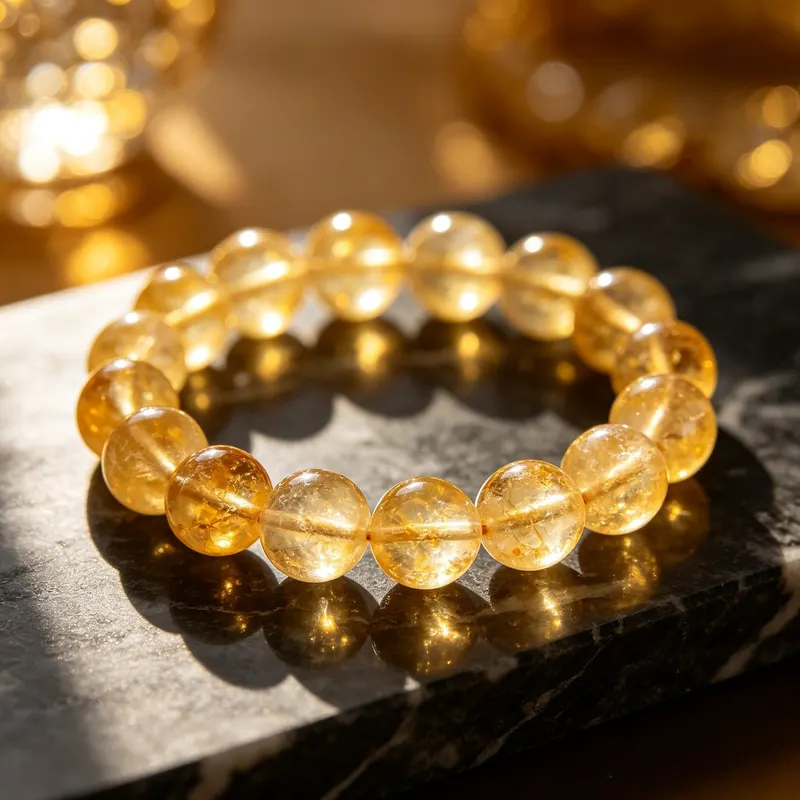
Citrine is the most widely used solar plexus stone, and it is also one of the most frequently mislabeled in the trade — much of what is sold as citrine is heat-treated amethyst, which is fine as a material but worth knowing when you shop. The Citrine Abundance Bracelet for Prosperity & Joy is a natural pick for this center. Pyrite (fool's gold) is a striking alternative, but note that it is softer and can tarnish, so it is better for a display piece than a daily-wear ring.
4. Heart Chakra (Anahata) — Green/Pink
Located at the center of the chest, the heart chakra is traditionally associated with love, compassion, and forgiveness — toward others and toward yourself. Crystals: Rose Quartz, Green Aventurine, Rhodonite.
Rose quartz is the best-known heart stone and one of the most affordable crystals you can buy. The Rose Quartz Love Bracelet for Self-Love & Heart is an easy everyday piece, while the Rose Quartz Heart Pendant Necklace, Gold-Plated places the stone directly over the chest. Rhodonite, with its black veining against pink, is often chosen for forgiveness work; the Rhodonite Heart Ring for Love & Forgiveness is a good option if you want a ring rather than a bracelet. Keep in mind that rose quartz fades with prolonged direct sun exposure, so store it away from a sunny windowsill.
5. Throat Chakra (Vishuddha) — Blue
Located at the throat, the throat chakra is traditionally associated with communication, truth, and expressing yourself clearly. Crystals: Aquamarine, Lapis Lazuli, Blue Lace Agate.
Aquamarine is a gentle blue stone often chosen by people who want to speak more calmly or listen more carefully. The Aquamarine Serenity Necklace for Calm Communication is a natural fit for this center. Lapis Lazuli, a deeper blue with golden pyrite flecks, is traditionally associated with wisdom and honest speech; the Lapis Lazuli Wisdom Pendant, Gold-Plated Chain is a good choice if you prefer a bolder look. Lapis is relatively soft, so avoid ultrasonic cleaners and harsh chemicals.
6. Third Eye (Ajna) — Indigo
Located between the eyebrows, the third eye is traditionally associated with intuition, insight, and inner focus. Crystals: Amethyst, Labradorite, Fluorite.
Amethyst is the most popular third-eye stone and one of the most versatile crystals in any collection. The Amethyst Healing Bracelet for Calm & Clarity works for daily wear, while the Raw Amethyst Cluster for Meditation & Altar is better suited to a nightstand or meditation space. Labradorite, with its shifting blue and gold flash, is often chosen for intuition and transition; the Labradorite Bracelet for Intuition & Transformation is a good pick if you want a stone that changes appearance with the light. Fluorite is another third-eye favorite, and the Rainbow Fluorite Focus Bracelet for Concentration is a practical option for desk work.
7. Crown Chakra (Sahasrara) — Violet/White
Located at the top of the head, the crown chakra is traditionally associated with spiritual connection, clarity, and a sense of perspective. Crystals: Clear Quartz, Selenite, Amethyst.
Clear quartz is the most common crown-chakra stone because it is widely available, durable, and easy to pair with other crystals. The Clear Quartz Point Pendant Necklace, Sterling Silver is a clean, everyday option. Selenite is often used for clearing space and other stones; the Selenite Cleansing Wand for Energy Clearing is a good tool to keep on an altar or bedside table. Note that selenite is very soft and water-soluble, so keep it dry and handle it gently.
How to Choose and Use Chakra Crystals
You do not need seven stones to start. A single well-chosen piece, worn regularly, is often more useful than a drawer full of crystals you never touch. Use this checklist to narrow it down:
- Start with the theme that fits your life right now. If you feel scattered, look at root stones. If you are working on speaking up, look at throat stones. If you are starting something new, look at sacral or solar plexus stones.
- Choose a format you will actually use. Bracelets are easy for daily wear; pendants sit close to the body; raw clusters and wands are better for a fixed space like a desk or altar.
- Check the stone, not just the color. Natural stones vary in tone, inclusions, and pattern. A uniform, perfectly even color at a very low price is often a sign of dyeing or heat treatment.
- Consider durability. Stones rated 7 or higher on the Mohs scale (quartz, amethyst, citrine) tolerate daily wear better than softer stones like selenite, lapis, or fluorite.
- Set a realistic budget. Simple tumbled-stone bracelets typically run from about $20 to $60; sterling silver pendants with a genuine stone often fall in the $50 to $150 range; large raw clusters and display sets can run higher. Price should reflect the stone and the setting, not the promise.
- Size it properly. For bracelets, measure your wrist with a soft tape and add about half an inch for a comfortable fit. For pendants, check the chain length — 16 to 18 inches sits near the collarbone, 20 to 24 inches sits lower on the chest.
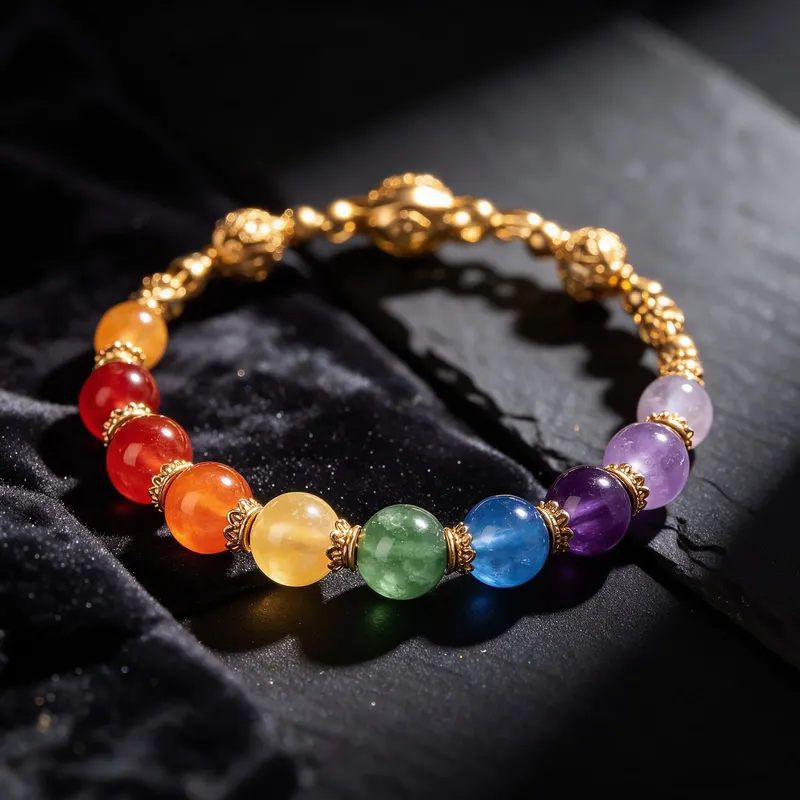
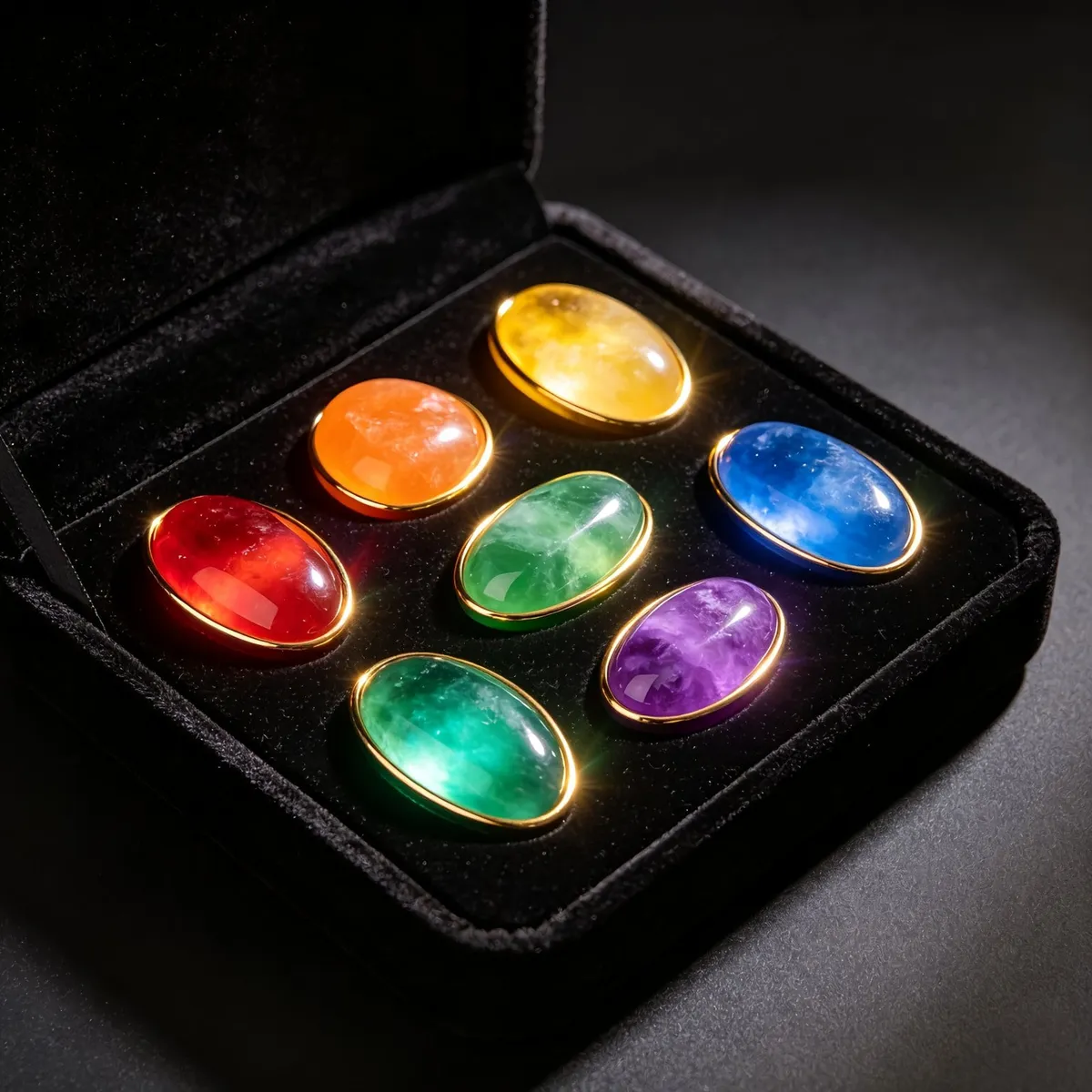
If you are building a first set, a starter kit can be a sensible way to try several stones before committing to a larger piece. The Healing Crystal Starter Kit, 7 Stones + Guide covers the seven chakra colors in one purchase, and the 7 Chakra Stone Set with Wooden Display Box is a good option if you want a set that doubles as a display. For a single piece that covers multiple centers, the 7 Chakra Balancing Bracelet, Natural Mixed Stones combines several stones in one bracelet.
Folklore, and the facts we can check
Crystal and chakra traditions are rich, but they are not the same as measurable physical claims. Here is a clear separation of the two.
What the tradition says
- Each chakra is associated with a color, and stones of that color are believed to support balance at that center.
- Holding, wearing, or placing a stone with intention is traditionally used as a focus for meditation and reflection.
- Some practitioners believe stones can be "cleansed" or "recharged" — for example, by moonlight, sunlight, sound, or contact with selenite.
- Certain stones are traditionally associated with specific themes: rose quartz with love, citrine with abundance, black tourmaline with protection.
What we can verify
- Hardness (Mohs scale): Quartz, amethyst, and citrine are about 7, which makes them reasonably durable for daily wear. Selenite is about 2 and scratches easily. Lapis lazuli is roughly 5 to 6. Fluorite is about 4. Softer stones need gentler handling.
- Water sensitivity: Selenite dissolves in water and should never be soaked. Pyrite can rust or tarnish with moisture. Opals and some porous stones can be damaged by water. Quartz and amethyst are generally fine with a quick rinse, but dry them promptly.
- Sunlight sensitivity: Rose quartz, amethyst, and some other colored stones can fade with prolonged direct sun exposure. Store them away from a bright windowsill.
- Heat and chemicals: Avoid ultrasonic cleaners, steam, and household chemicals for most colored or soft stones. Warm water and a soft cloth are usually enough.
- Treatments: Heat treatment, dyeing, and irradiation are common in the gem trade. They are not inherently bad, but a reputable seller should be willing to tell you what you are buying.
Crystals are for reflection and are not medical devices. They are not a substitute for professional medical or mental health care.
FAQ
People Also Ask
Do I need all seven chakra crystals?
No. Most people start with one or two stones tied to the theme they are working on. A single bracelet or pendant worn regularly is a perfectly good beginning, and you can add pieces as your interests change.
How do I cleanse or recharge my crystals?
There is no single correct method. Common approaches include leaving stones in moonlight, using sound, or placing them near selenite. From a practical standpoint, avoid soaking water-sensitive stones like selenite and pyrite, and keep colored stones out of prolonged direct sun. A soft dry cloth and a quiet moment of intention are enough for most pieces.
How can I tell if a crystal is real?
Look for natural variation — inclusions, slight color shifts, and uneven patterns. Perfectly uniform color at a very low price can indicate dyeing or glass. Ask the seller about treatments, and check the stone's hardness and care needs before buying. No seller can guarantee a metaphysical outcome, and a trustworthy one will not try.
Which chakra crystal should I wear every day?
Choose a stone durable enough for daily wear and tied to a theme you care about. Quartz-family stones (clear quartz, amethyst, citrine) are good everyday choices because of their hardness. Softer stones like selenite, fluorite, and lapis are better saved for occasional wear or display.
A Simple Way to Begin
Chakra work with crystals is at its best when it is simple: pick one center that matches what you are actually feeling, choose a stone and format you will use, and give it a small, repeatable role in your day — a breath before a meeting, a moment of quiet at your desk, a stone on the nightstand. The tradition offers a language for reflection; the stones offer something tangible to hold while you do it. Start small, care for your pieces, and let the practice grow at its own pace.