Two Separate Steps, Often Confused
If you have ever stood at your dresser holding a bracelet that suddenly feels flat, or wondered why the crystal you bought last month no longer seems to "do" anything, you are probably dealing with two different needs that get lumped into one word. Cleansing resets a stone—it clears the accumulated energy the stone is believed to have absorbed from daily wear, stressful rooms, and constant handling. Charging fills it with fresh energy or a specific intention. Think of cleansing as wiping a whiteboard clean and charging as writing your intention on it in fresh ink.
The confusion is understandable, because many popular methods do both at once. Moonlight, for example, is traditionally used to cleanse and to charge. Selenite is often described as both a cleanser and an amplifier. But once you separate the two ideas, caring for a collection becomes much simpler: you stop over-handling stones, you stop guessing, and you can match each step to what the stone can physically tolerate.
This guide walks through when to cleanse, when to charge, how to do each safely, and—critically—which methods are safe for which stones. Because a ritual that cracks a soft mineral is not a ritual worth keeping.
Cleansing vs. Charging: A Side-by-Side Look
The table below summarizes the practical differences. Treat the "traditional purpose" column as lore, not chemistry—more on that in the verification section below.
| Question | Cleansing | Charging |
|---|---|---|
| What it does (traditionally) | Clears accumulated or "stale" energy; resets the stone | Refills the stone with fresh energy or directs it toward an intention |
| When to do it | When new; after intense wear, stress, or illness in the household; when it feels dull; roughly monthly as upkeep | Before a specific purpose (a presentation, a hard conversation, a new goal); after cleansing; when you want to refocus |
| Typical methods | Smoke, sound, moonlight, selenite plate, dry salt (with caveats), running water (water-safe stones only) | Hold and state intention, breathwork, sunlight (fade-prone stones excluded), moonlight, placing on a cluster |
| Time involved | Minutes to overnight | Minutes of focused intention, or overnight for passive methods |
| Physical risk to the stone | Water, salt, and heat are the main hazards | Sunlight fading and heat are the main hazards |
| Can you skip it? | Yes, but results feel muddier | Yes—charging is optional; cleansing is the maintenance step |
When to Cleanse
Cleansing is the maintenance habit. You do not need a rigid schedule, but these are the moments most people find it useful:
- When a stone is new to you. It has traveled through warehouses, shipping, and other hands. A cleanse marks the moment it becomes yours.
- After heavy use. A bracelet worn daily through a stressful week, or a pendant worn during a difficult conversation.
- After a hard season. Many people cleanse pieces after a breakup, a hospital stay, or a move—not because the stone "caught" anything, but because the ritual marks a transition.
- When it feels heavy or dull. This is subjective, and that is fine. The feeling is the prompt.
- Roughly monthly as upkeep for pieces in regular rotation.
- Before lending or after borrowing a piece, if that matters to you.
When to Charge
Charging is goal-oriented, so it makes sense to do it less often than cleansing—and with more attention. Good moments include:
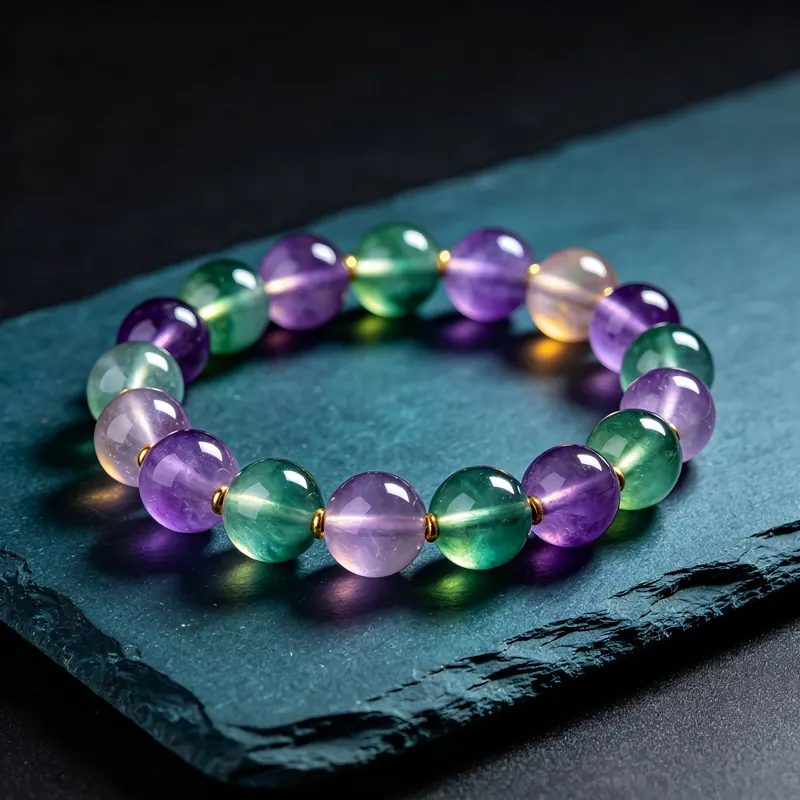
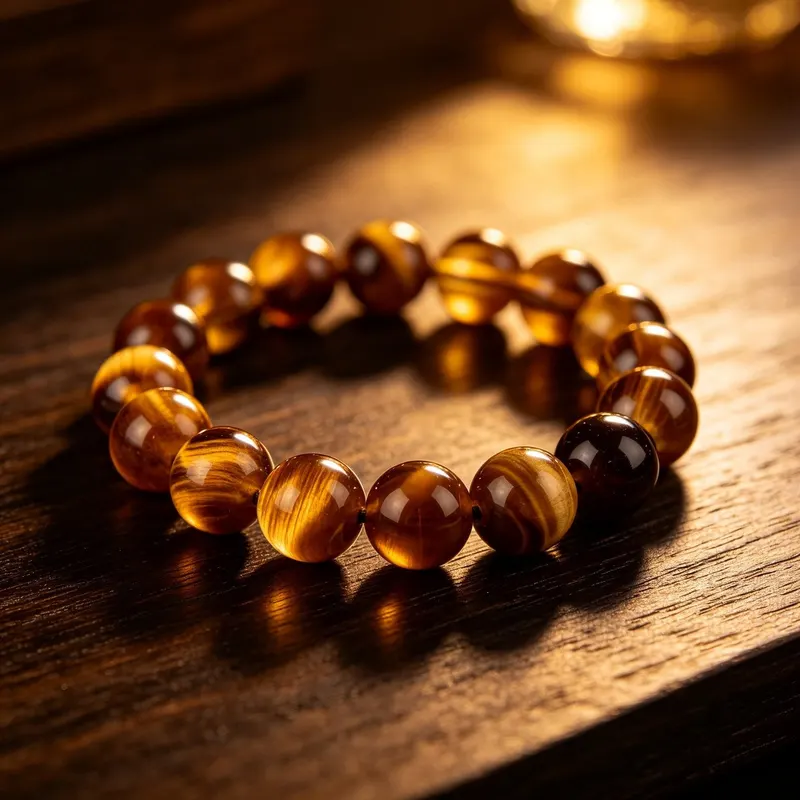
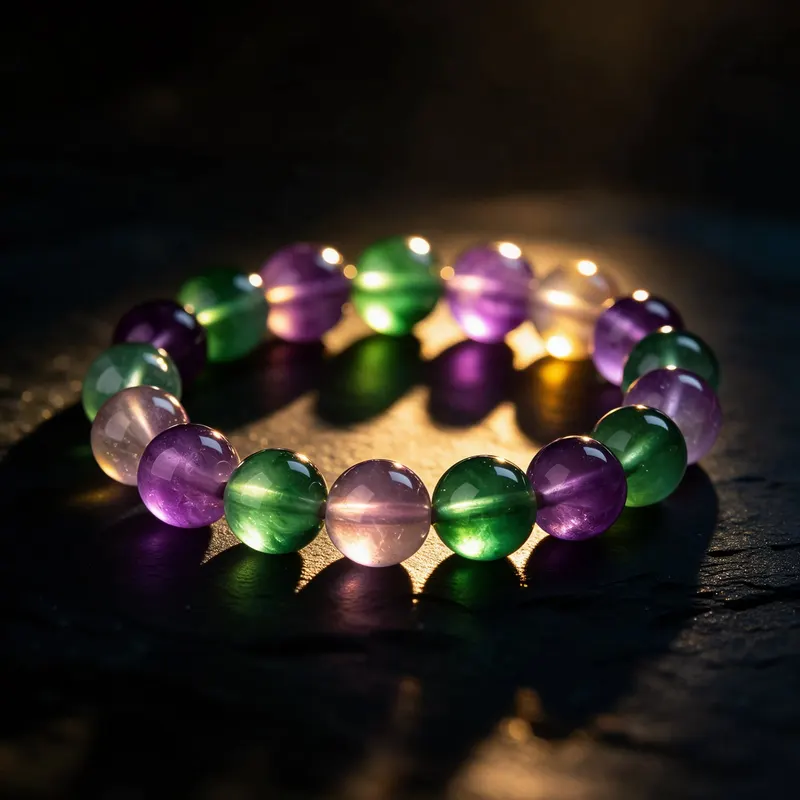
- Before a specific event where you want a particular focus: a Rainbow Fluorite Focus Bracelet for Concentration before a study block, or a Tiger's Eye Confidence Bracelet for Focus & Courage before a presentation.
- After cleansing, as the second half of the same session.
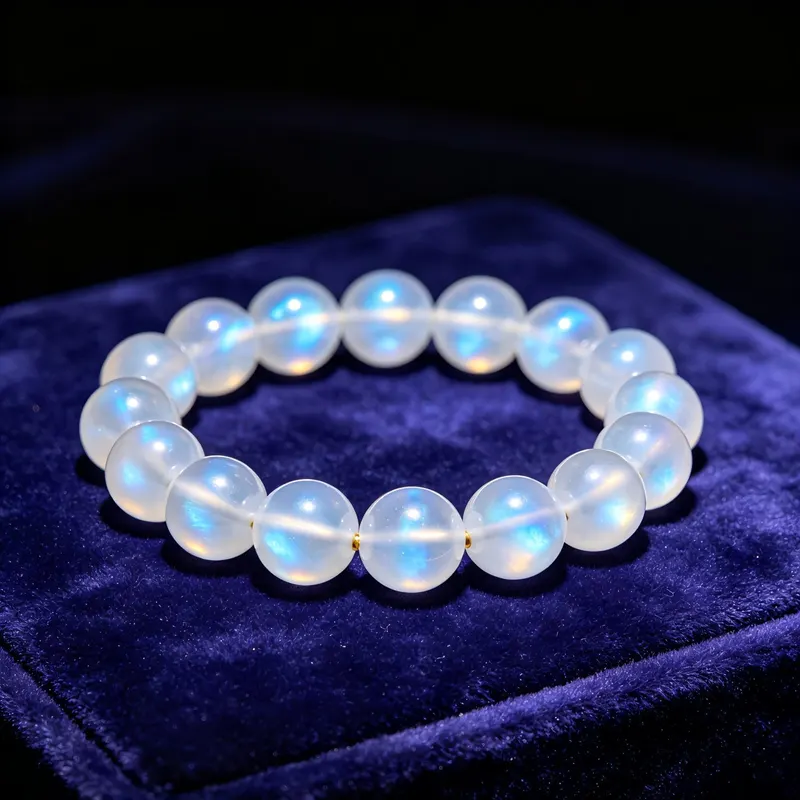
- At the start of a new intention—a new job, a new habit, a new year. A Rainbow Moonstone Bracelet for Intuition & New Beginnings is a natural fit for this kind of reset.
- When you notice you have stopped noticing the stone. Re-charging re-establishes the association between the piece and what it means to you.
Charging is not a performance. Two minutes of quiet, deliberate attention beats an elaborate ritual done distractedly.
How to Cleanse and Charge: A Step-by-Step Routine
- Cleanse first. Choose smoke, sound, moonlight, or a selenite plate. See our guide to sound cleansing if you want a method that touches nothing and works for every stone.
- Check water safety before any water method. This is non-negotiable. Our water-safe guide covers which stones tolerate rinsing and which will degrade, dissolve, or lose their finish.
- Dry fully. Moisture trapped against metal settings or in drilled beads is a common cause of tarnish and thread rot.
- Then charge. Hold the stone in both hands, breathe slowly for a few rounds, and state your intention—aloud or silently. Keep it short and present-tense: "I want to stay calm in this meeting," not a wish list.
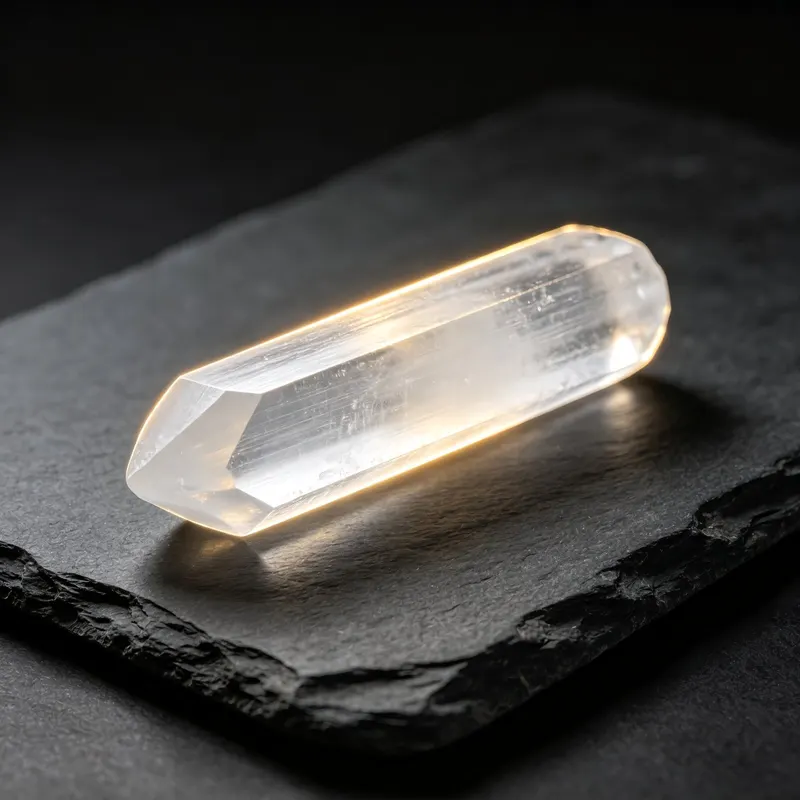
- Rest it to amplify. Place it on a Selenite Cleansing Wand for Energy Clearing or in moonlight overnight. Selenite is traditionally used for both cleansing and charging, which makes it a convenient resting place for pieces you rotate.
Quick checklist before you start:
- Do I know this stone's hardness and water sensitivity? (If not, use a dry method.)
- Is the setting glued, plated, or strung on elastic? (Keep it dry.)
- Am I using salt? (Skip it for anything porous, soft, or metal-set.)
- Am I using sunlight? (Skip it for amethyst, rose quartz, fluorite, and other fade-prone stones.)
- Is my intention one sentence?
What is handed down — and what we can verify
Crystal cleansing and charging are traditional practices, and it is worth being clear about which claims are lore and which are physical fact. We use both, but we do not blur them.
Traditional lore (believed, not measurable): that stones absorb and hold energy; that moonlight, smoke, sound, and selenite "clear" it; that a charged stone supports an intention. These are meaningful frameworks for reflection and ritual. They are not physical properties, and no one has demonstrated them in a laboratory setting.
Verifiable facts (measurable, and they affect your stones):
- Mohs hardness. Talc is 1; quartz is 7; diamond is 10. Anything softer than about 5 scratches easily and should not be stored loose with harder stones. Selenite is a 2—it will scratch with a fingernail, so keep your wand in its own pouch. Fluorite is a 4. Amethyst, clear quartz, and tiger's eye are 7. Labradorite and moonstone sit around 6–6.5. Lapis lazuli is roughly 5–6 and is porous.
- Water sensitivity. Selenite dissolves in water. Halite (rock salt) dissolves. Malachite and lapis are porous and can be damaged by soaking. Quartz-family stones are generally fine with a quick rinse.
- Sunlight fading. Amethyst, rose quartz, fluorite, citrine, and many dyed or treated stones can fade with prolonged direct sun. Moonlight does not fade stones—this is why it is the safer default.
- Heat and thermal shock. Rapid temperature change can crack stones and loosen settings. Never pour hot water on a cold stone.
- Salt. Dry salt is abrasive and can dull polished surfaces; salt water is worse for porous stones and metal. If you use salt, use a dry bowl and keep the stone in a small cloth pouch.
- Elastic and plating. Elastic thread degrades with water and heat; gold plating wears at contact points. Keep both dry.
One practical note on sizing and care for jewelry: elastic bracelets should fit snugly enough not to slide over the hand but loosely enough to leave a small gap at the wrist—roughly half an inch of ease. Remove them before showering, swimming, or washing dishes. Pendants should be taken off before sleep if the chain tends to kink.
Crystals are for reflection and are not medical devices. They are not a substitute for medical or mental health care.
Matching Methods to Stones: A Practical Guide
Rather than memorizing rules, group your collection by what it can handle.
Hard, water-tolerant, sun-tolerant
Clear quartz, tiger's eye, black tourmaline, carnelian. These tolerate a quick rinse, moonlight, sound, smoke, and short sun exposure. A Clear Quartz Point Pendant Necklace, Sterling Silver is a good everyday piece for this category—but remove it before showering to protect the silver.
Hard but fade-prone
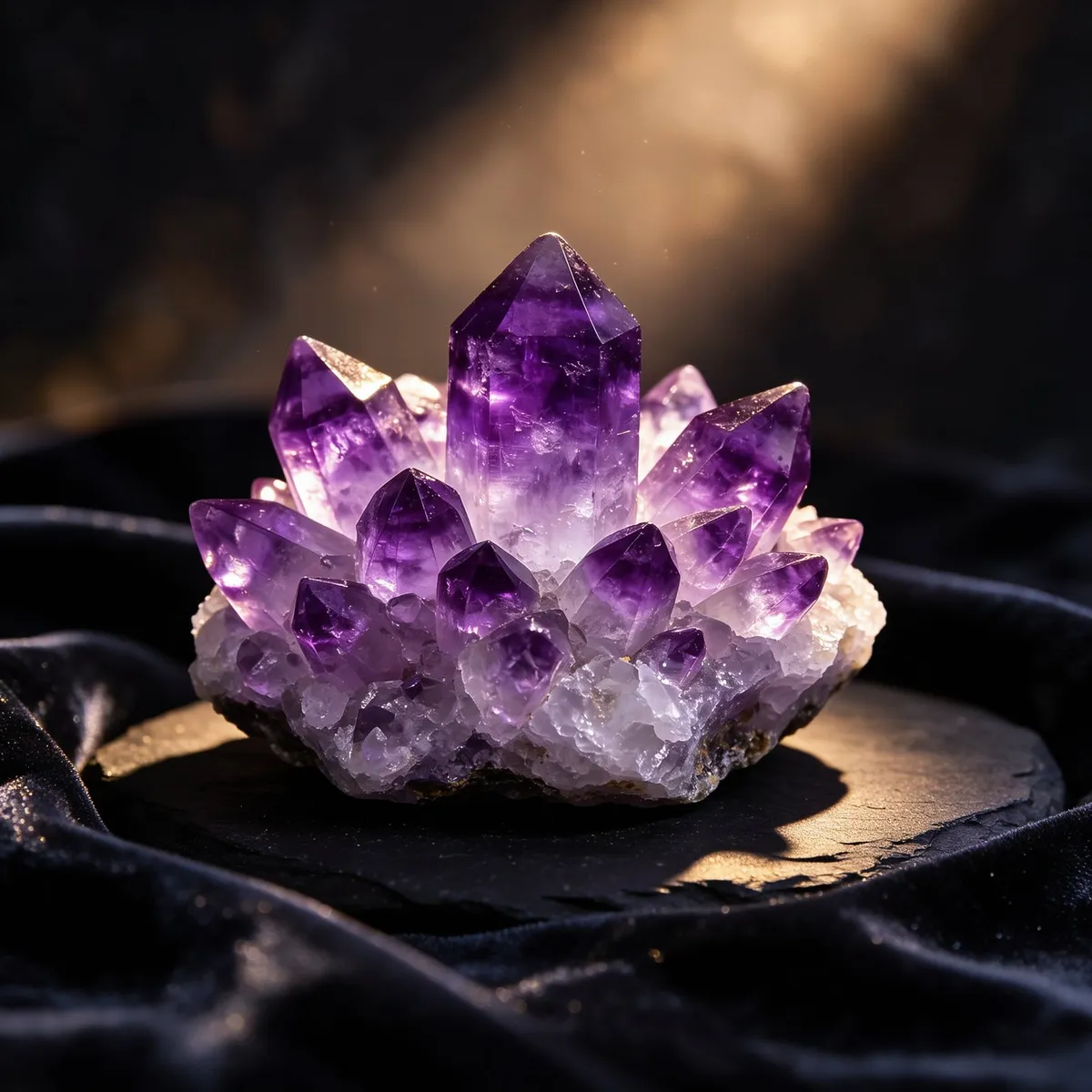
Amethyst, rose quartz, fluorite, citrine. Rinse is fine; keep them out of direct sun. Use moonlight or sound instead. An Amethyst Healing Bracelet for Calm & Clarity belongs here—cleanse it with sound or smoke and charge it in moonlight, not on a sunny windowsill.
Soft, porous, or water-sensitive
Selenite, lapis lazuli, malachite, halite. Dry methods only: smoke, sound, or a brief rest on a selenite plate. A Lapis Lazuli Wisdom Pendant, Gold-Plated Chain should never be soaked, and the plated chain should stay dry.
Delicate settings and elastic
Anything strung on elastic or set in plated metal. Keep dry, cleanse with sound or smoke, and charge by intention-holding rather than burying in salt or rice. A Rose Quartz Love Bracelet for Self-Love & Heart is a typical example—beautiful, but the elastic and the finish both prefer dry care.
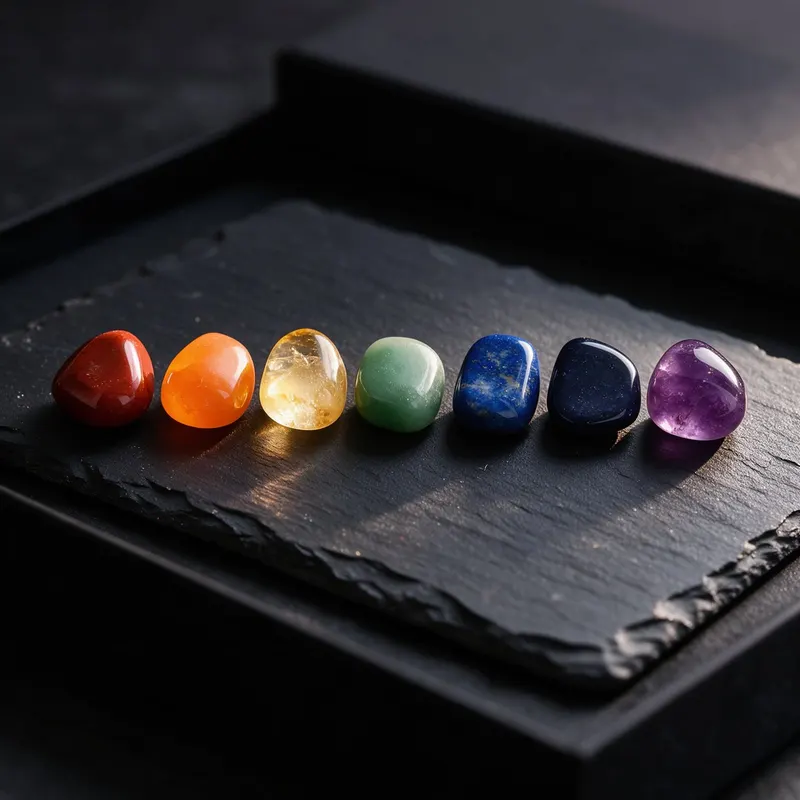
If you are building a first collection and want a low-friction starting point, a Healing Crystal Starter Kit, 7 Stones + Guide includes stones across these categories, which makes it a useful way to learn the differences hands-on.
FAQ
People Also Ask
Can you charge a crystal without cleansing it?
You can, but charging an un-cleansed stone is like writing over an old page—cleanse first for clearer intention. If you are short on time, a minute of sound or smoke is enough.
How often should I cleanse my crystals?
A simple rule: when new, after intense use, and roughly once a month as upkeep. Pieces worn daily may want a weekly cleanse; display pieces can go longer.
Does moonlight really charge crystals, and does it fade them?
Moonlight is one of the most traditional charging methods and is gentle on every stone—it will not fade amethyst, rose quartz, or fluorite the way direct sun can. Whether it "charges" in an energetic sense is a matter of belief; what is verifiable is that it is safe.
Can I cleanse and charge at the same time?
Yes, with methods that do both—moonlight and selenite are the classic examples. For a specific intention, though, it is often clearer to cleanse first, then charge deliberately with your hands and breath.
Browse the Curated Collection
Explore the full edit here: Raw Stones & Sets Collection →
Shop the Stones
Keep Exploring
Cleanse & Charge · Sound Cleansing · Water Safety
Cleansing and charging are two small habits, not a complicated system. Cleanse when a stone feels dull or has been through something; charge when you want to point it at a purpose. Keep the methods gentle, respect hardness and water sensitivity, and let the ritual stay simple enough that you actually do it. That consistency—not the perfect method—is what makes a collection feel cared for.
Crystals are offered for wellness and reflection, not as medical or psychological treatment.