When the Blank Page Wins
You sit down to make something — a painting, a song, a chapter, a pitch deck — and the cursor blinks. The idea you had in the shower has evaporated. Or worse, it's still there but it feels small, derivative, not worth the effort. You scroll instead. You reorganize your desk. You tell yourself you'll start tomorrow.
Creative blocks rarely come from a lack of talent. They come from a mix of too much self-judgment, too little momentum, and a nervous system that has decided the safest move is to do nothing. Creators have always reached for rituals to interrupt that loop — a walk, a playlist, a particular chair, a particular pen. Crystals are one of the oldest and most tactile versions of that ritual: a physical object that signals to your brain, "we are beginning now."
This guide is for working creators and hobbyists alike who want a practical way to use crystals in their process — which stones are traditionally associated with which creative phases, how to choose and size them, how to care for them, and how to separate the lore from what we can actually verify. Think of the stones as prompts and anchors, not magic wands. They invite you into the work; they don't do the work for you.
Creativity Needs Both Fire and Flow
Making art swings between two very different modes. There's the fire phase: starting, generating, taking risks, making a mess. And there's the flow phase: listening, refining, letting an idea arrive on its own schedule, editing with patience. Most blocks happen when you're in the wrong mode for the moment — trying to polish a first draft before it exists, or forcing output when what you actually need is a quiet walk and a notebook.
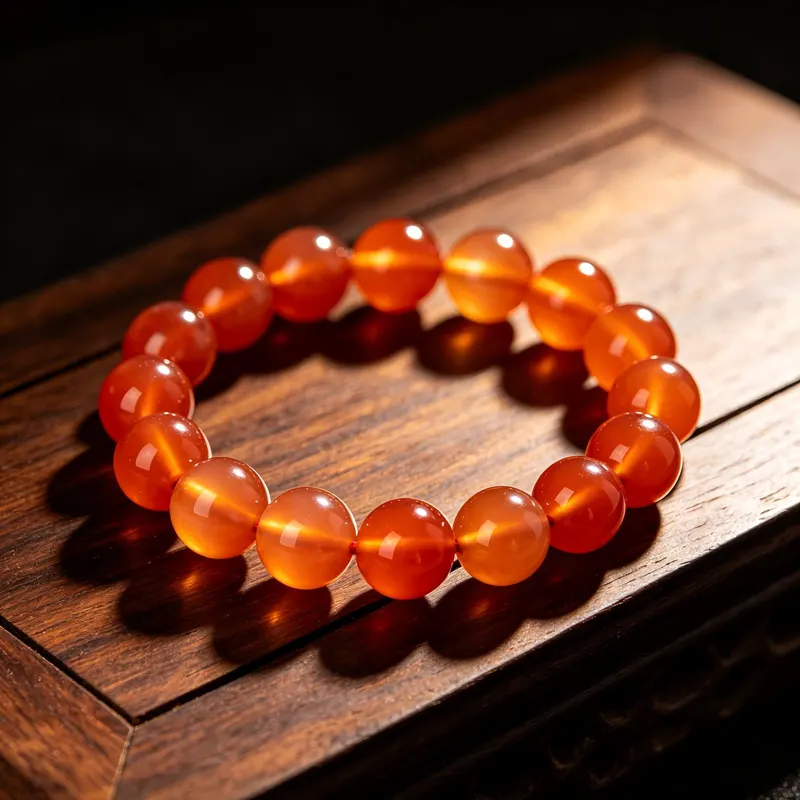
Different stones are traditionally associated with each phase. That's useful not because the stones are doing the psychological work, but because they give you a physical cue to switch modes. Picking up a warm orange stone can become your shorthand for "generate now, judge later." Picking up a cool, iridescent one can become your cue to slow down and listen.
A Creator's Trio
Three stones come up again and again in creative practice, and they map neatly onto the phases above.
- Fire — Carnelian Creativity Bracelet for Motivation & Fire. Carnelian's warm orange-red is traditionally associated with vitality, courage, and the sacral chakra, which many traditions link to creativity and desire. Use it as a "start now" cue: put it on when you need to begin before you feel ready.
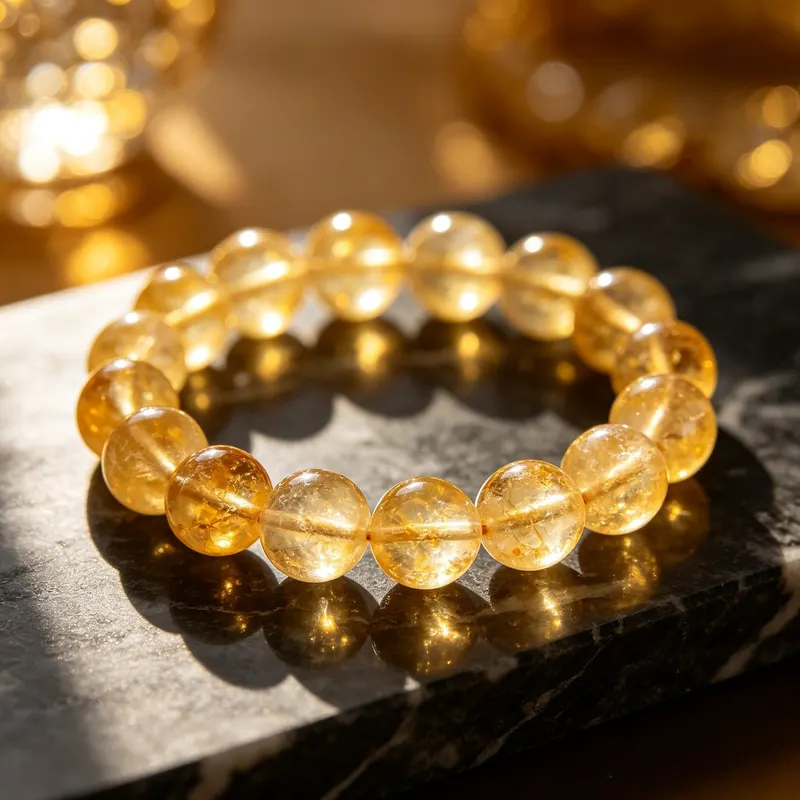
- Play — Citrine Abundance Bracelet for Prosperity & Joy. Citrine is believed to carry a sunny, unselfconscious energy. It's a good companion for the deliberately bad first draft, the sketch you'll never show anyone, the experiment that might fail. Its traditional association with abundance is best read as abundance of ideas, not a promise of income.
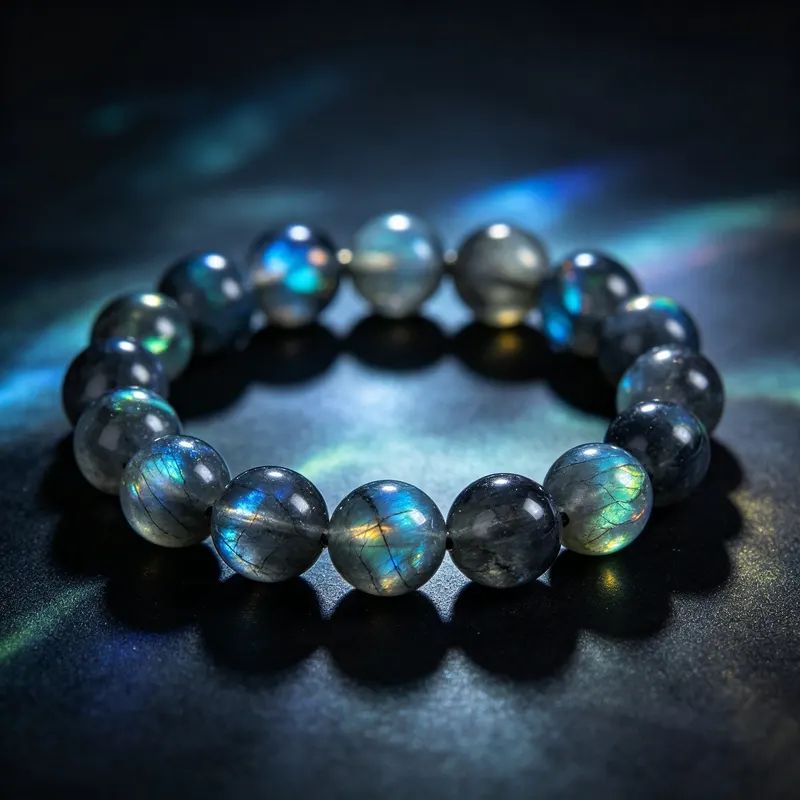
- Vision — Labradorite Bracelet for Intuition & Transformation. Labradorite's shifting flash of blue and gold is traditionally linked to intuition and the imagination. When you're stuck, holding it and letting your mind wander — rather than forcing an answer — is a small ritual of receptivity.
Beyond the Trio: Matching a Stone to Your Actual Block
The trio is a starting point, not a rule. If you can name the specific flavor of your block, you can pick a stone that fits the moment. Here's a practical comparison.
| What you're feeling | Stone to try | How to use it |
|---|---|---|
| Can't start; low energy; fear of beginning | Carnelian | Wear it as a "begin" signal; start with a five-minute warm-up |
| Taking it all too seriously; perfectionism | Citrine | Keep it on the desk during deliberately messy first drafts |
| Stuck, flat, out of ideas | Labradorite | Hold it during a short, aimless wander or free-write |
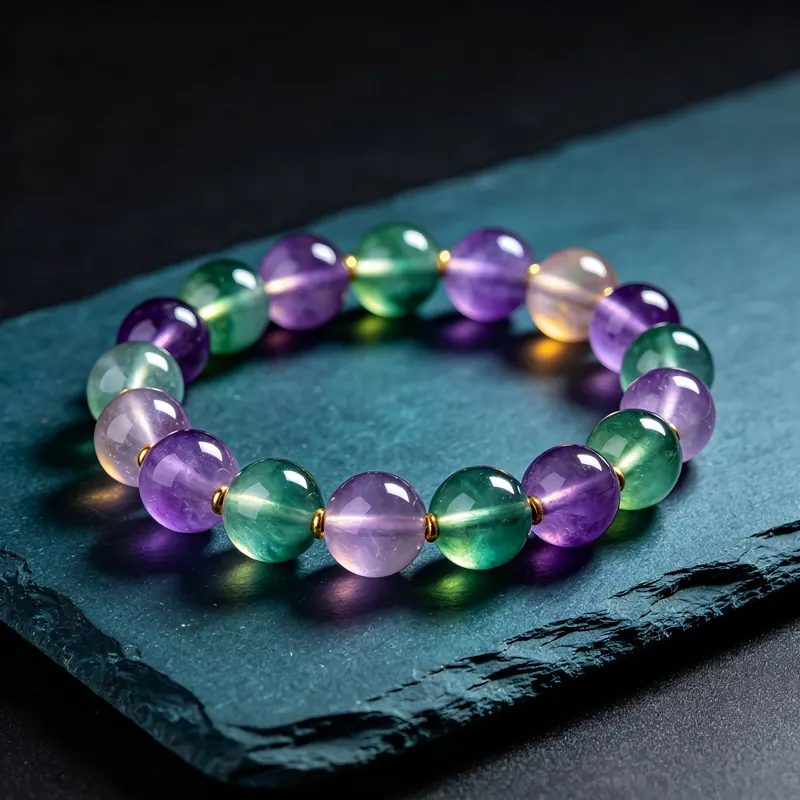
| Scattered; can't concentrate on one project | Rainbow Fluorite Focus Bracelet for Concentration | Wear it during focused work blocks; remove it when you're done |
| Self-doubt; harsh inner critic | Rose Quartz Love Bracelet for Self-Love & Heart | Use it as a cue to speak to yourself the way you'd speak to a student |
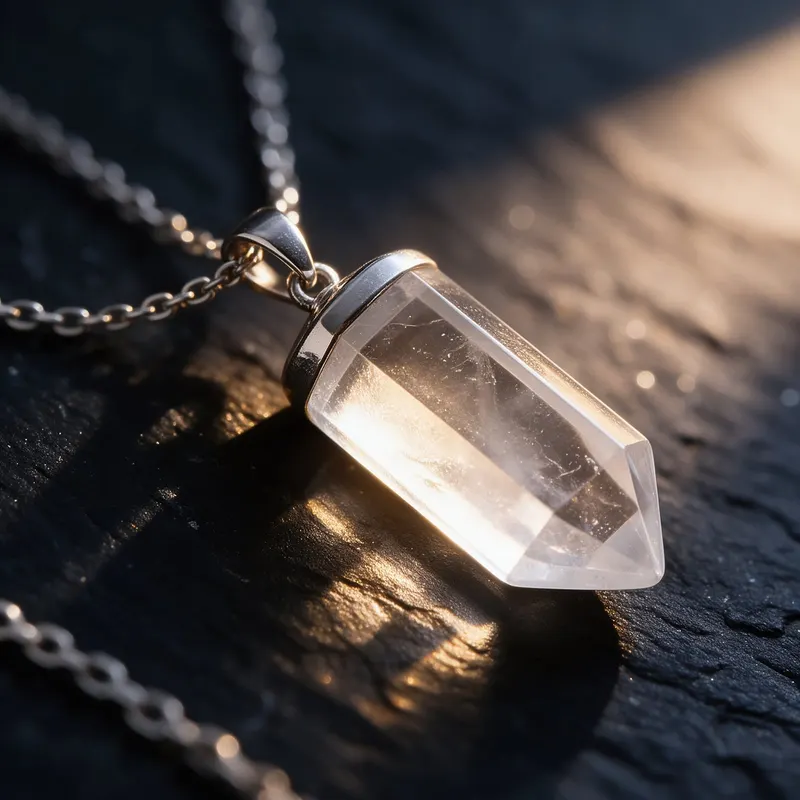
| Need to hold a big vision over months | Clear Quartz Point Pendant Necklace, Sterling Silver | Wear it as a steady anchor; clear quartz is traditionally associated with clarity |
If you're new to crystals and want to experiment without committing to a single stone, a Healing Crystal Starter Kit, 7 Stones + Guide lets you try several in your studio before you settle on one or two that actually earn their place on your desk.
A Studio Ritual That Actually Fits a Workday
Rituals work best when they're short enough to survive a busy week. This one takes about ten minutes and can be adapted to a desk, a music stand, an easel, or a kitchen table.
- Set the stage. Place your chosen stone where you'll see it — beside the keyboard, on the music stand, at the edge of the canvas. Its job is to be a visual cue, so put it where your eyes already go.
- Warm up without judgment. Five minutes of deliberately low-stakes making: scribble, hum, sketch a bad idea, write a paragraph you'll delete. The point is motion, not quality.
- Switch modes when stuck. If you stall, pick up labradorite (or your "receptive" stone) and let your mind wander for two or three minutes. Then return to the work. The pause is the point; the stone is the permission slip.
- Close the loop. When you stop, thank the work — even if it went badly — and set the stone aside. Ending deliberately helps your brain treat the session as complete rather than as an open failure.
Consistency matters more than duration. A two-minute ritual you actually do every day beats an elaborate one you abandon by Thursday.
How to Choose and Size a Creative Stone
Practical decisions matter as much as which stone you pick. A few things to consider:
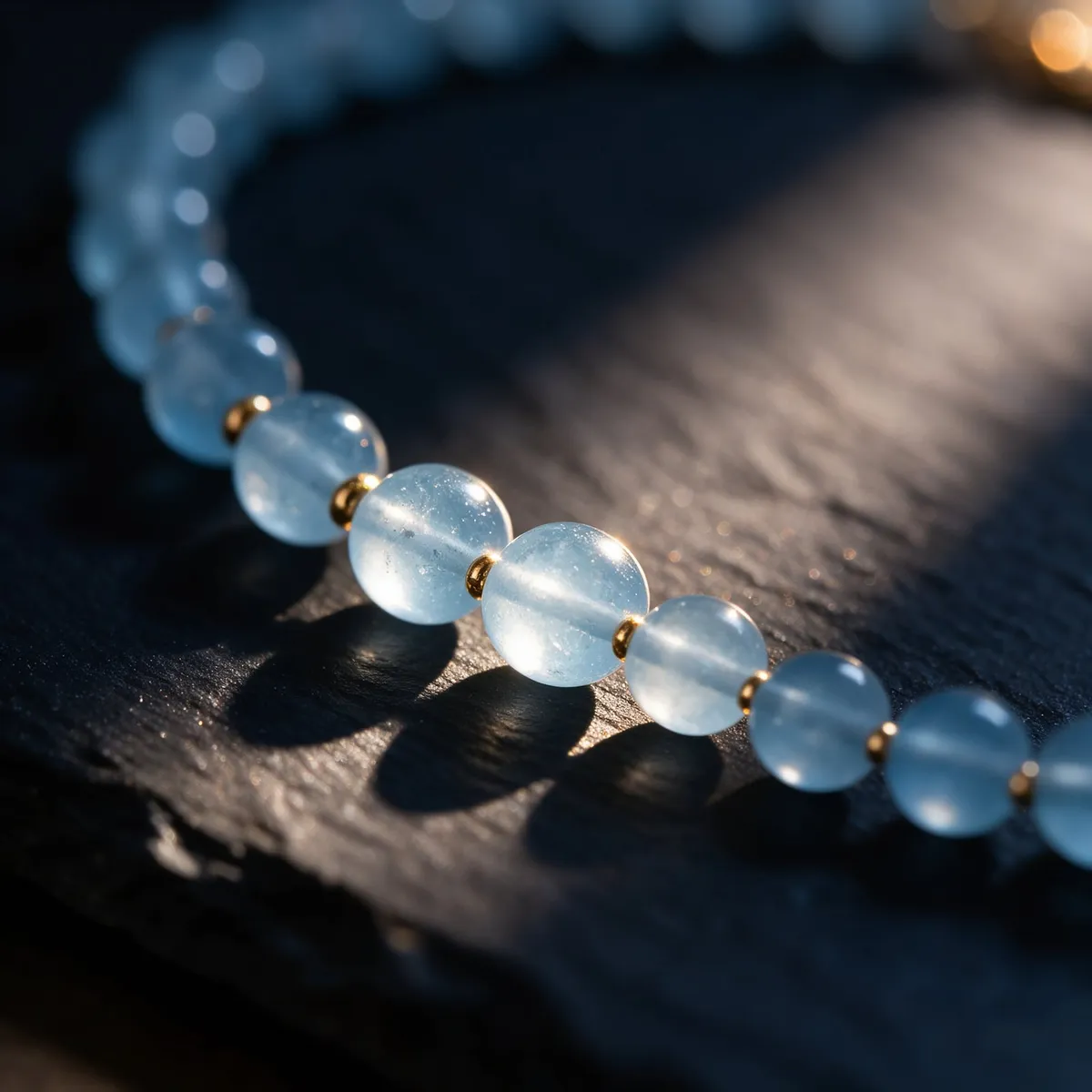
- Bracelets: Measure your wrist with a soft tape just below the wrist bone. Most beaded bracelets are sold in a single stretch size that fits roughly 6.5–7.5 inch wrists comfortably; if you're outside that range, check the product listing for sizing notes before you buy. A bracelet should slide slightly but not spin freely.
- Pendants: Consider where the stone will sit while you work. A pendant that swings into a guitar body or a drawing board is a distraction, not a cue. Short chains keep the stone close to the collarbone and out of the way.
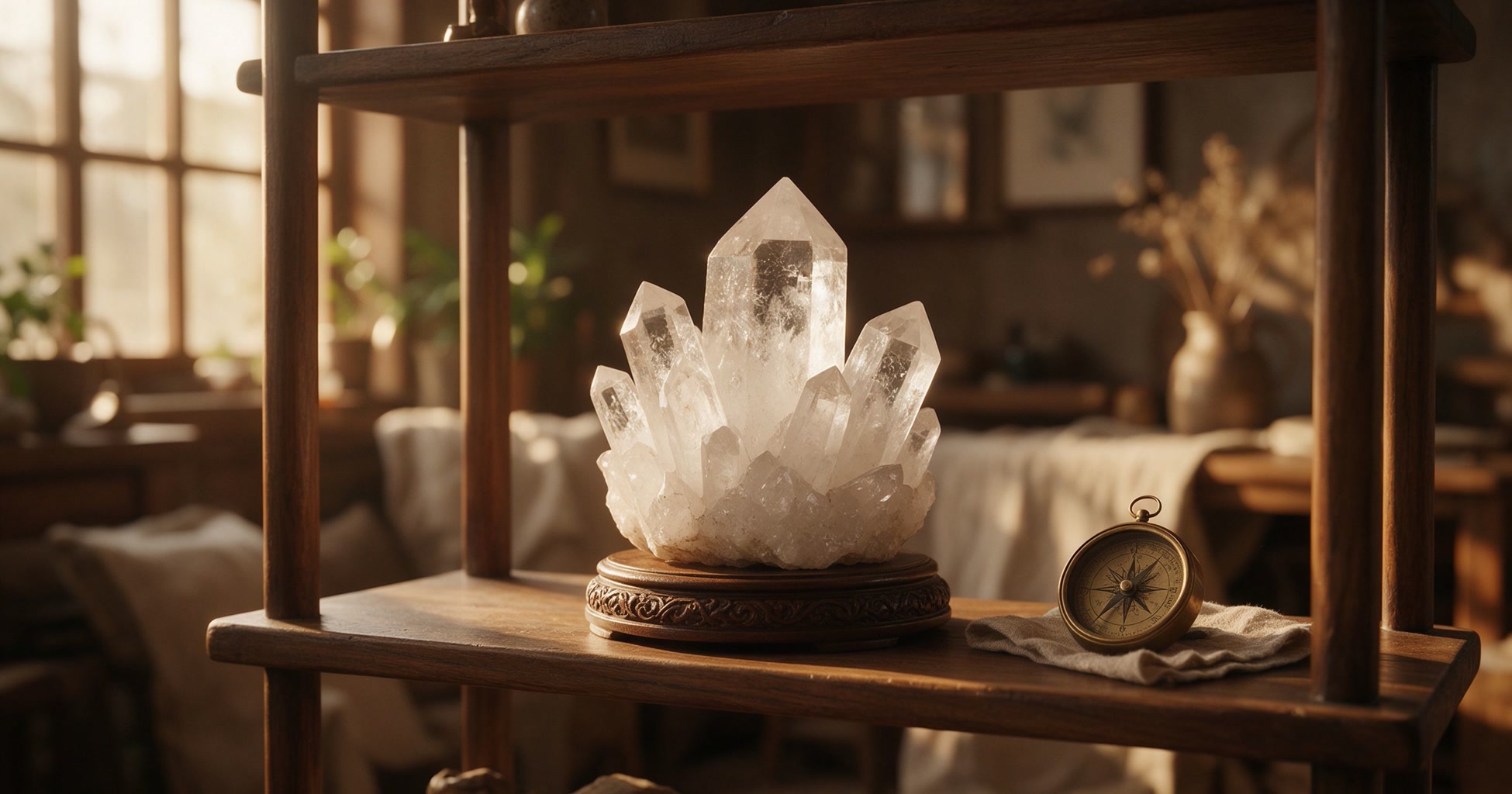
- Desk stones and clusters: If you work at a desk, a raw cluster or wand can live permanently in your line of sight — often more useful than jewelry you have to remember to put on.
- Color and feel: Choose a stone whose color you actually find pleasant and whose surface feels good in your hand. You'll use it more.
- Price expectations: Beaded bracelets in natural stone typically run from roughly $20 to $60 depending on stone and bead size; sterling silver pendants generally start higher, often $50–$120; raw clusters and wands vary widely with size and quality. Treat any "certified" or "rare" claim with healthy skepticism unless the seller explains exactly what it means.
What folklore claims — and what is verifiable
Crystal lore is rich, and it's worth being clear about which parts are tradition and which parts are measurable. Both can coexist, as long as we don't confuse them.
Traditional associations (lore, not evidence)
Carnelian has been associated with courage and vitality since antiquity. Citrine is traditionally linked to joy and abundance. Labradorite is associated with intuition and transformation. Rose quartz is traditionally connected to love and self-compassion; clear quartz to clarity; fluorite to focus. These are cultural and symbolic associations. They are meaningful as ritual and as prompts, but they are not scientific claims, and no crystal has been shown to treat or cure any condition.
What we can verify
- Hardness (Mohs scale): Quartz-family stones — clear quartz, amethyst, citrine, rose quartz — sit around 7, which is fairly durable for daily wear. Labradorite and moonstone (feldspar) are around 6–6.5. Fluorite is softer, around 4, and scratches more easily. Carnelian (a variety of chalcedony) is around 6.5–7. Selenite is very soft, around 2, and should be handled gently and kept away from water.
- Water sensitivity: Selenite dissolves in water and should never be soaked. Many polished stones are fine with a quick wipe but should not be soaked for long periods, and dyed or treated stones can fade or bleed.
- Sunlight sensitivity: Prolonged direct sun can fade some stones, including amethyst and rose quartz. Store them away from a sunny windowsill.
- Care basics: Wipe with a soft dry or barely damp cloth. Avoid harsh cleaners, ultrasonic cleaners, and hot water. Store bracelets separately so harder stones don't scratch softer ones. Re-stringing beaded bracelets every year or two is normal with regular wear.
Crystals are for reflection and ritual; they are not medical devices and are not a substitute for professional care.
FAQ
People Also Ask
Which crystal is best for creative block?
There's no single "best" — it depends on the block. Carnelian is traditionally associated with starting and courage, labradorite with imagination and intuition, and fluorite with focus. Try one for a week and notice whether the ritual itself helps you begin.
How do I use crystals in a studio or workspace?
Keep one or two stones where your eyes naturally land, and use them as cues: pick one up to signal "begin," set it down to signal "stop." The value is in the consistent ritual, not in the number of stones.
Can I wear crystal bracelets while painting or playing an instrument?
Usually yes, but check for snagging and comfort. Softer stones like fluorite and selenite scratch more easily, so consider a desk stone instead of jewelry during messy or high-friction work.
How do I clean and care for my creative stones?
Wipe with a soft cloth, keep them out of prolonged direct sun, and avoid soaking — especially selenite. Store bracelets separately to prevent scratching, and restring beaded bracelets when the elastic starts to fray.
Closing: Make the Ritual Yours
The most useful creative stone is the one you'll actually pick up tomorrow. Start with one — carnelian if you struggle to begin, labradorite if you struggle to imagine, fluorite if you struggle to focus — and give it a specific job in your process. If it earns its place, add another. If it doesn't, that's useful information too.
Browse more stones for creative and intuitive work in our Intuition & Spiritual Growth Collection, or keep reading: Creative Blocks · Sacral Affirmations · Carnelian.